
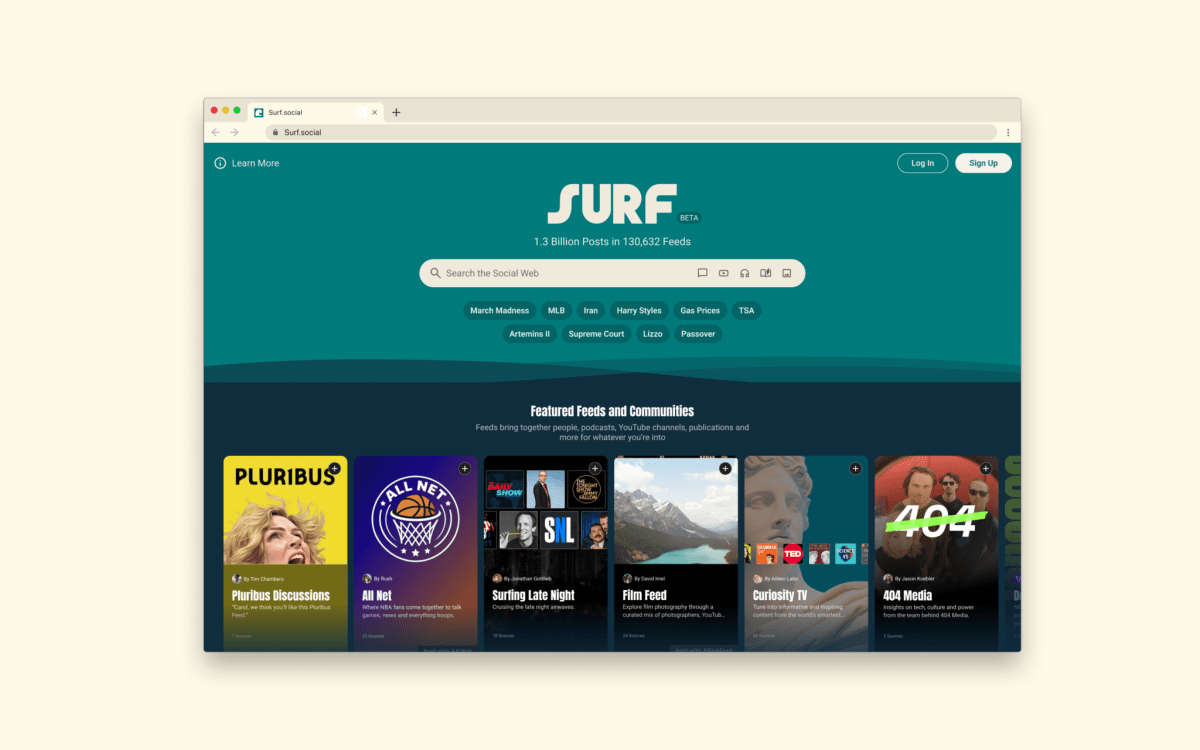
Flipboard is officially expanding its footprint in the open social web with the launch of “social websites,” a new feature allowing publishers and creators to aggregate content and community discussions into a single, cohesive digital hub. By leveraging the Surf platform, these hubs provide a centralized destination for audiences to track journalists, podcasts, video content, and real-time conversations.
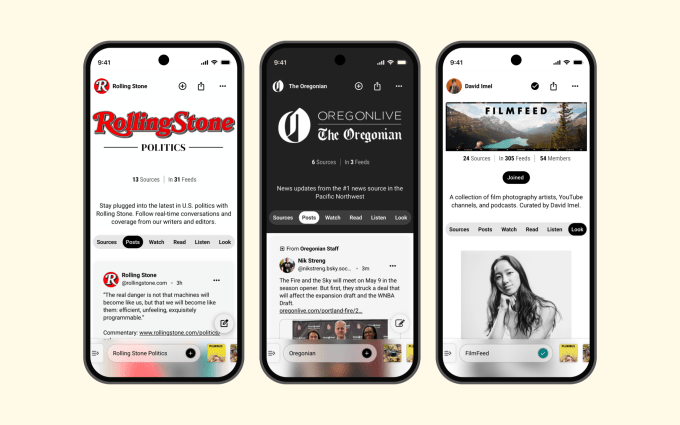
Industry Adoption and Use Cases
Several major media outlets have already integrated this technology to streamline their digital presence. Early adopters include The Verge, Wired, Rolling Stone, 404 Media, and The Oregonian. Beyond traditional publishers, independent creators are utilizing the tool to build niche communities; for instance, David Rushing launched All Net, a dedicated portal for NBA enthusiasts that aggregates league news, basketball-related discourse, and live game commentary.
How to Build Your Social Website
The process for establishing a Surf feed is designed for accessibility:
- Navigate to surf.social and complete the registration.
- Select the “+ Create Feed” option located in the sidebar.
- Follow the guided prompts to integrate specific sources, define a community hashtag, and apply content filters.
Once the feed is configured, owners can elevate their project by assigning a custom domain. This is managed via the feed header’s three-dot menu, effectively transforming the feed into a standalone social website that can be shared across the broader internet, independent of the primary Flipboard ecosystem.
Future Roadmap
Flipboard positions these social websites as dynamic destinations designed to unify fragmented social media experiences. According to the company, this launch represents only the initial phase of development. Future updates are expected to introduce deeper customization capabilities, including the ability to modify color schemes, implement custom headers, and access advanced feed management tools to further personalize the user experience.