
Google held its virtual “Android Show: I/O Edition” event this Tuesday, pulling back the curtain on a massive suite of upcoming features. The announcements span new hardware, advanced Gemini-powered AI integrations, and significant security enhancements arriving ahead of the company’s annual developer conference.
Introducing Googlebook: Gemini at the Core

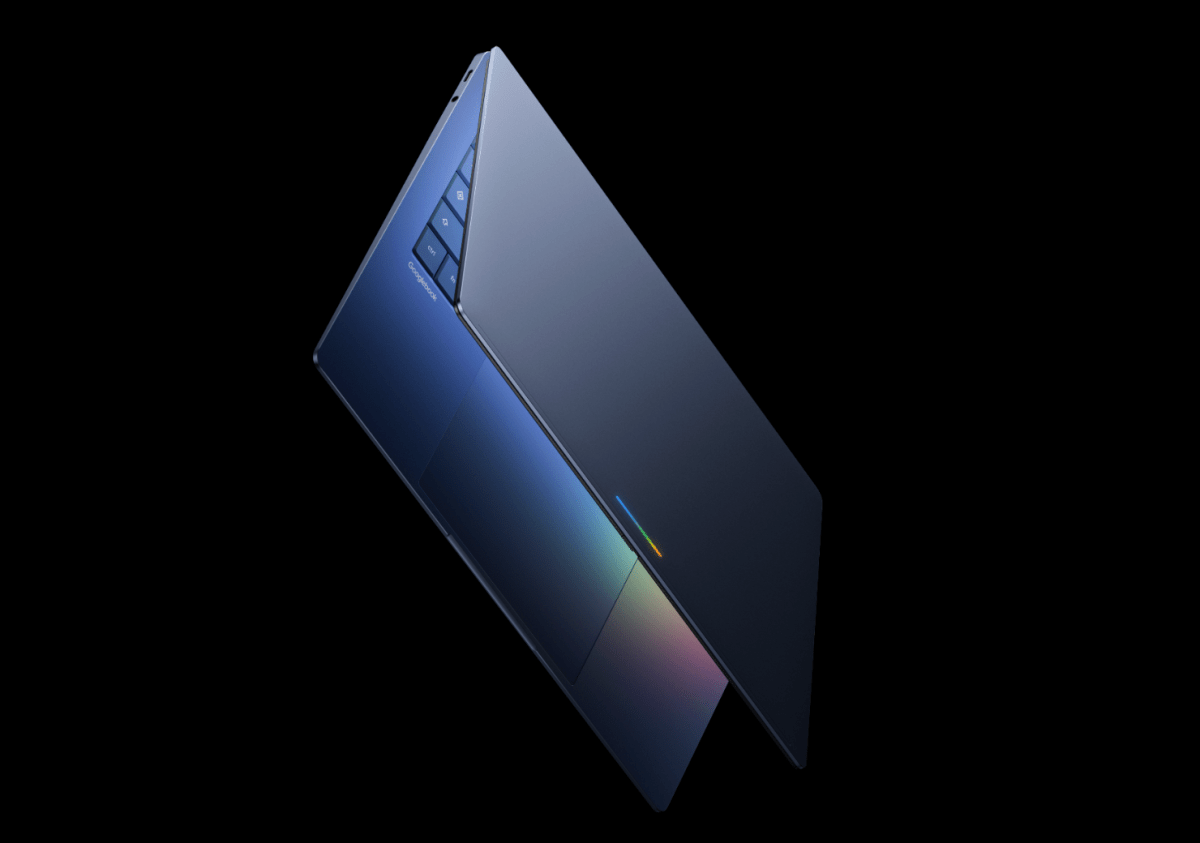
Google has officially unveiled “Googlebook,” a new category of laptops designed specifically for the Gemini Intelligence era. Developed in collaboration with major manufacturers including Acer, Asus, Dell, HP, and Lenovo, these devices are slated for a fall launch. Unlike traditional laptops, Googlebooks are built from the ground up to provide proactive, personalized AI assistance.
Key hardware features include the “Magic Pointer,” a cursor with integrated Gemini capabilities, and seamless Android phone compatibility that allows users to run mobile apps directly on their laptop. The devices will also support the creation of custom, AI-driven widgets.
Custom “Vibe-Coded” Widgets
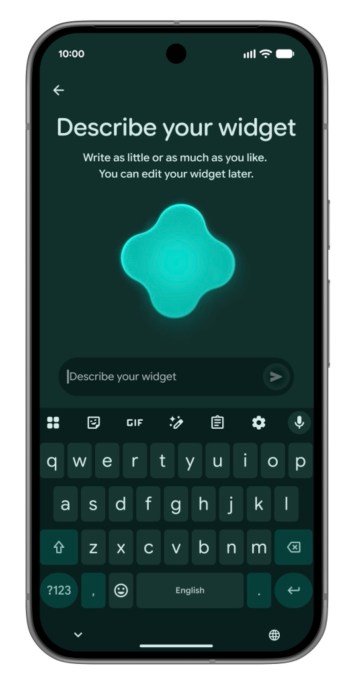
Google is bringing “vibe-coding” to your home screen with a new “Create My Widget” feature. Launching this summer on select Pixel and Samsung Galaxy devices, this tool uses natural language processing to build custom dashboards. Users can simply describe their needs—such as requesting a weekly high-protein meal prep tracker—and the system will generate a resizable, functional widget.
Android Auto: Full HD Video and Gemini
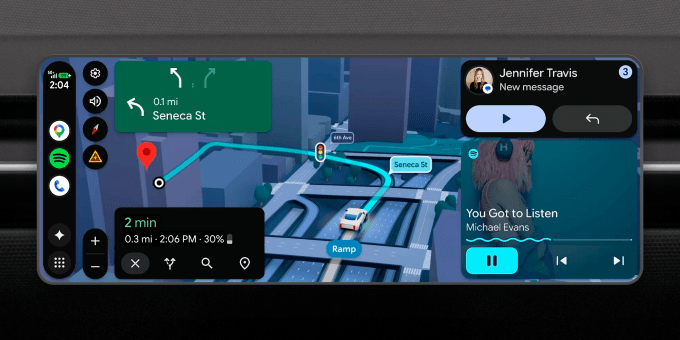
Android Auto is receiving a significant refresh, focusing on edge-to-edge displays and deeper personalization. Beyond updated interfaces for Spotify and YouTube Music, Google is introducing full HD 60fps video playback for compatible vehicles, including models from BMW, Ford, Mercedes-Benz, and Volvo.
Furthermore, Gemini is now rolling out broadly across Android Auto, enabling hands-free brainstorming and information retrieval. The platform is also adding integrated food ordering capabilities, starting with DoorDash.
Refined 3D Emojis
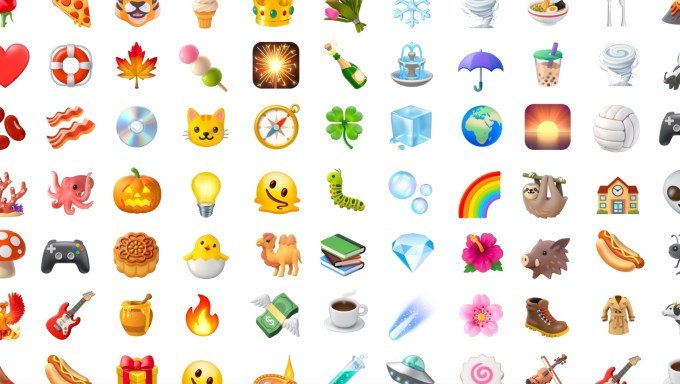
Google has redesigned its entire library of 4,000 Android emojis. The updated versions, launching later this year, shift away from flat designs toward a more expressive, realistic 3D aesthetic.
Creator Tools and Meta Integration
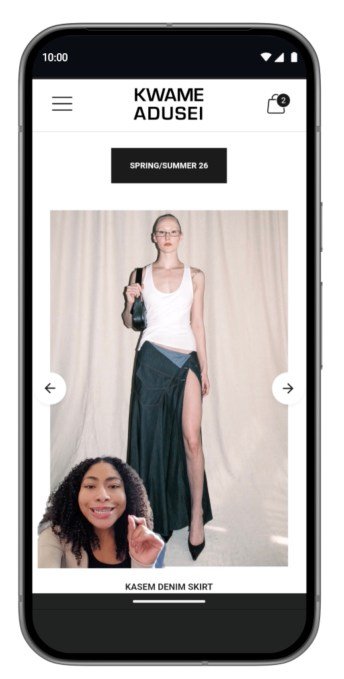
New “Screen Reactions” allow users to record their reactions and screen activity simultaneously, mirroring popular social media formats. Additionally, a partnership with Meta brings native Instagram optimizations—such as Ultra HDR and night mode—to Android devices. Exclusive tools, including “smart enhance” and “sound separation,” are also coming to Meta’s editing suite on Android.
Gemini’s New Agentic Capabilities

Gemini is evolving into an “agentic” assistant capable of performing multi-step tasks across different apps. For example, users can photograph an event flyer and have Gemini cross-reference it with travel sites like Expedia, or use an on-screen grocery list to automatically populate a shopping cart in a preferred app.
Gemini in Chrome and Enhanced Dictation
Gemini is now integrated into Chrome for Android, providing web page summarization and an experimental “auto-browse” feature that can complete tasks like booking tickets. Meanwhile, Gboard is introducing “Rambler,” a dictation tool that intelligently cleans up speech by removing filler words like “um” and “ah” in real-time.
Quick Share and iPhone Migration
Google is expanding its Quick Share ecosystem, allowing for seamless file transfers between Android devices and iPhones via QR codes. Furthermore, a new migration tool is launching for Samsung and Pixel users, simplifying the transfer of passwords, eSIMs, photos, and home screen layouts from iOS to Android.
Digital Wellbeing: The “Pause Point”
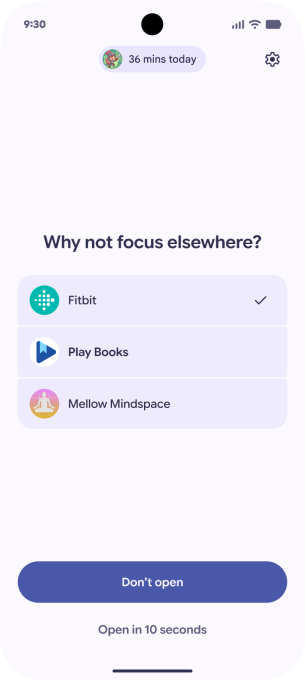
To combat digital distraction, Google introduced “Pause Point.” When users attempt to open an app labeled as a distraction, they will be required to take a 10-second break, during which the system suggests more productive alternatives, such as reading on Google Play Books.
Advanced Security and Theft Protection
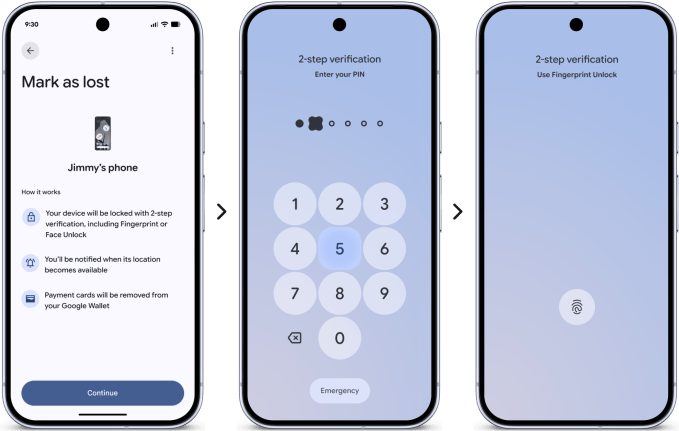
Google is rolling out global theft protection, including Remote Lock and Theft Detection Lock, enabled by default on new Android 17 devices. These features include increased security against unauthorized PIN attempts and expanded IMEI access for law enforcement. Additionally, Pixel users with Advanced Protection Mode now have access to “Intrusion Logging” to help detect and investigate potential spyware threats.