
Google officially debuted a suite of “Gemini Intelligence” AI capabilities during its Android Show: I/O Edition event this Tuesday. The update introduces advanced agentic features, allowing the AI to autonomously execute cross-app tasks, browse the web, populate forms, and enable users to generate custom Android widgets through natural language—a concept dubbed “vibe-coding.”
Gemini Gains Agentic Autonomy
Google is shifting Gemini from a simple chatbot to an agentic assistant capable of handling multistep workflows. Building on capabilities previewed at the Samsung Galaxy S26 launch, the assistant can now perform complex sequences, such as extracting a grocery list from a notes application and automatically populating a shopping cart in a retail app.
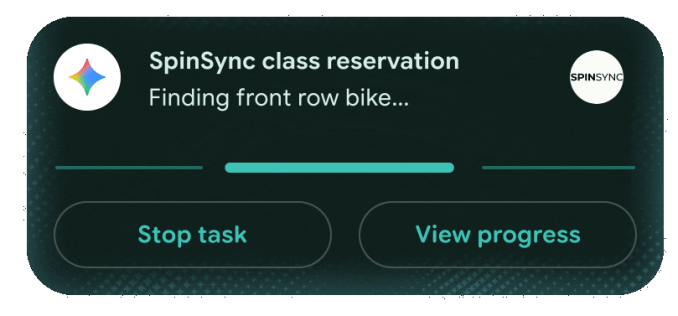
To initiate these tasks, users simply press the device’s power button and provide a voice command. The AI utilizes the current screen content as context to execute the request, though Google confirmed that final checkout actions still require explicit user confirmation.
Enhanced Browsing and Gboard Integration
The “auto-browse” feature, previously tested in experimental rollouts, is now becoming a core component of the Android experience. By late June, users will gain access to Gemini within Chrome, enabling automated page summarization and contextual Q&A directly on web pages.
Furthermore, Gemini is being integrated into Gboard via a feature called “Rambler.” This multimodal tool leverages advanced dictation capabilities to transcribe speech, format text, and intelligently prune filler words, ensuring a more polished output.
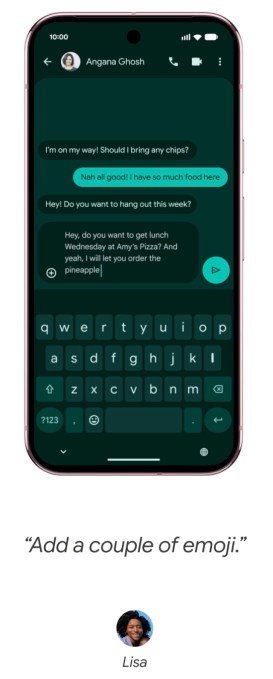
For repetitive data entry, Gemini will now support automated form filling. By utilizing “Personal Intelligence,” the AI can securely learn user details to complete forms automatically. Google emphasizes that this is an opt-in feature, fully manageable within the device’s privacy settings.
Vibe-Coding: Building Widgets on Demand
Google is entering the “vibe-coding” space by allowing users to build custom Android widgets simply by describing them. For instance, a user can request a meal-planning widget by prompting the AI: “Suggest three high-protein meal prep recipes every week.”
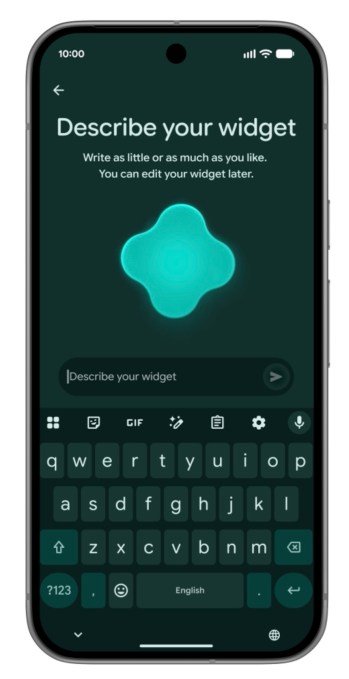
While similar concepts have been explored by startups like Nothing, Google’s implementation ensures that all generated widgets adhere to the company’s Material 3 expressive design language, maintaining visual consistency across the operating system.
These AI-powered enhancements are scheduled to arrive on the latest Samsung Galaxy and Google Pixel devices this summer, with a broader rollout across the wider Android ecosystem expected to follow later this year.