
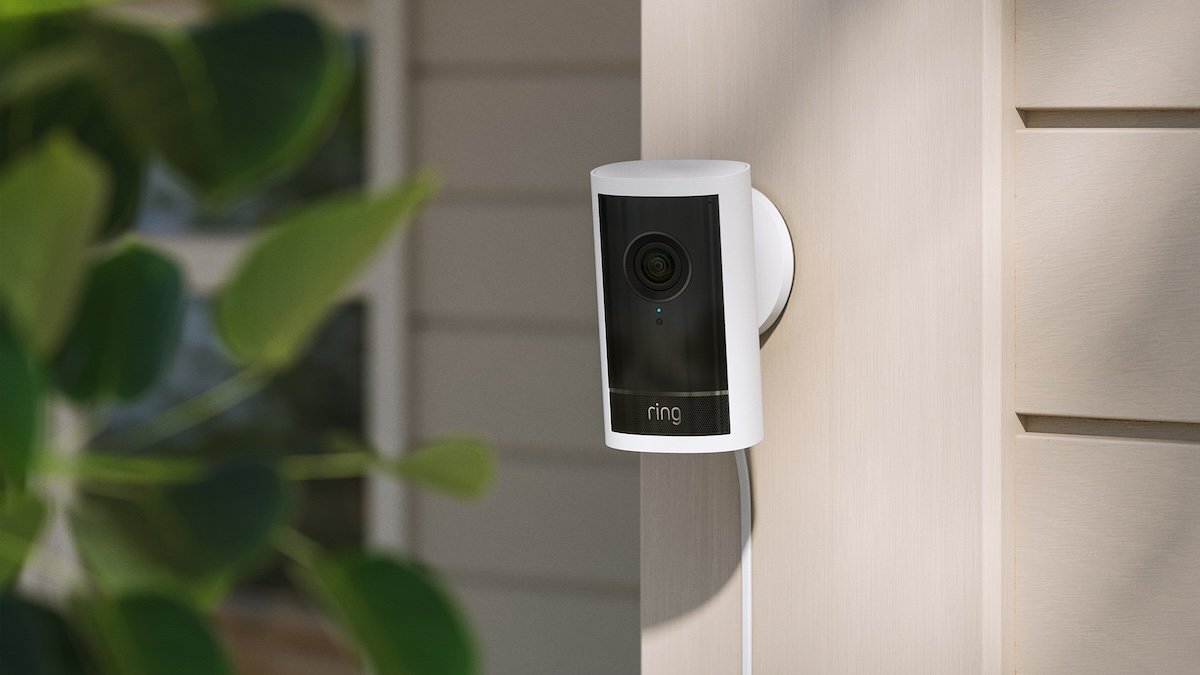
Amazon-owned Ring is officially pivoting beyond home security, leveraging its massive network of over 100 million active cameras to launch a dedicated app store. By opening its ecosystem to third-party developers, the company aims to transform its hardware into multifunctional AI tools capable of tasks ranging from elder care and workforce analytics to rental property management.
Expanding Beyond Surveillance
First teased during the January Consumer Electronics Show, the initiative arrives as Ring expands its footprint from residential doorbells to enterprise-grade business security systems. The core of this strategy lies in advanced AI, which interprets the visual and audio data captured by Ring devices to provide actionable insights for users in real-world scenarios.
Several high-profile partners are already utilizing this infrastructure:
- Density: Through its “Routines” app, families can monitor elderly relatives, receiving automated alerts for potential falls or irregular daily patterns.
- QueueFlow: Designed for business operations, this tool analyzes metadata to track queue lengths, inactivity, and after-hours anomalies.
- Minut: Focuses on the short-term rental market, integrating noise and temperature sensors with Ring cameras to help Airbnb hosts manage their properties.
Balancing Innovation and Privacy
Ring CEO Jamie Siminoff acknowledges that the shift toward AI-driven utility is about maximizing the value of existing customer investments. However, the company faces significant scrutiny regarding surveillance. To mitigate concerns over privacy, Ring has implemented strict guidelines for its app store, explicitly banning invasive technologies like facial recognition tools and license plate readers.
This cautious approach follows a series of public controversies regarding Ring’s data-sharing history with law enforcement. The company has faced intense criticism from privacy advocates for its partnerships with entities like Axon and its previous collaboration with police departments. In response to mounting backlash, Ring recently terminated its partnership with Flock Safety, signaling a shift in how it manages third-party integrations.
The Business Model and Future Roadmap
The Ring app store is currently rolling out to U.S. customers via the standard Ring iOS and Android applications. Interestingly, the platform bypasses traditional in-app purchase commissions associated with Apple or Google, as the actual software distribution occurs outside the Ring interface.
Ring plans to monetize the ecosystem by taking a 10% commission on sales directed through its platform. While the store launches with approximately 15 apps—including bird identification via WhatsThatBird.AI and fire detection via memories.ai—the company is actively courting developers through the official developer portal.
Siminoff envisions rapid growth for the platform, targeting hundreds of applications across dozens of industry verticals by the end of the year. Whether the market embraces this “camera-as-a-platform” approach remains to be seen, but Ring is clearly betting that the future of home and business security lies in what the hardware can do beyond just recording video.