
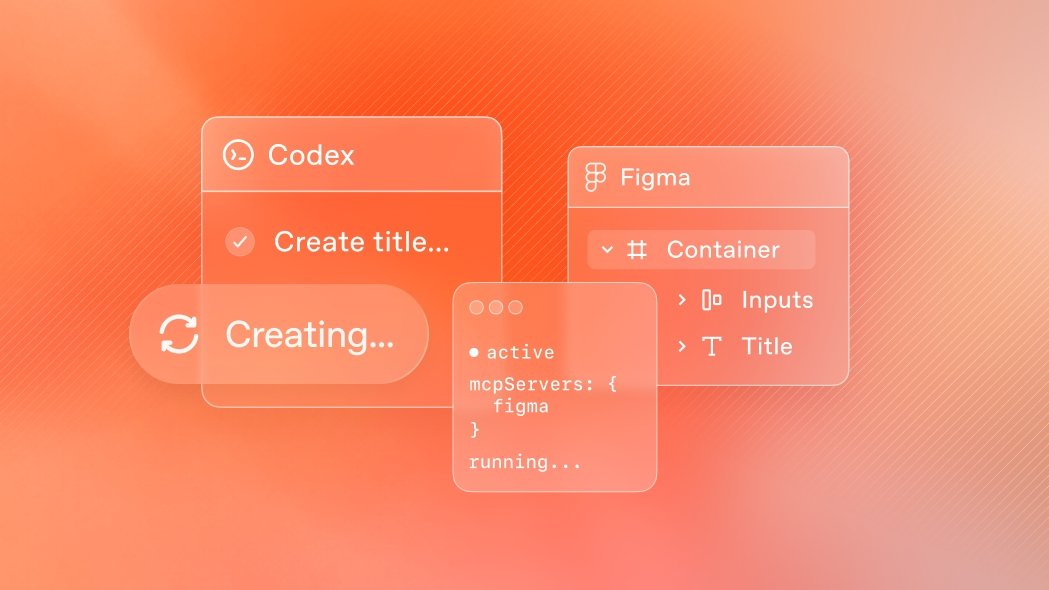
Figma is officially integrating OpenAI’s Codex AI coding tool, enabling users to generate and refine designs directly within their coding environments. This strategic expansion, announced today, follows Figma’s recent collaboration with Anthropic to integrate Claude Code, signaling a major push toward seamless design-to-development workflows.
Bridging the Design-Development Gap
The integration leverages Figma’s Model Context Protocol (MCP) server, allowing developers and designers to transition fluidly between Figma’s infinite canvas and coding platforms. Previously, the workflow was limited to importing Figma design files, Figma Make, or FigJam assets into Codex for implementation. Now, the two platforms act as a unified ecosystem.
“Teams can build on their best ideas by combining the power of code with the creativity and collaboration inherent in Figma’s infinite canvas,” said Loredana Crisan, Chief Design Officer at Figma.
Empowering Builders Beyond Titles
The partnership aims to dismantle the traditional silos between creative and technical roles. By utilizing Codex, engineers can iterate on visual elements without disrupting their coding flow, while designers gain the ability to work closer to final implementation without needing deep programming expertise.
“This integration makes Codex accessible to a broader range of builders. It doesn’t assume you’re an engineer or a designer first,” explained Alexander Embiricos, Codex product lead at OpenAI.
The Rapid Rise of OpenAI’s Codex
OpenAI’s trajectory with Codex has been aggressive. Originally launched as a command-line assistant to challenge Anthropic’s Claude Code, the tool was quickly integrated into ChatGPT. Following the release of a dedicated MacOS app earlier this month, the software saw over one million downloads in its first week. Currently, OpenAI reports that more than a million users leverage Codex on a weekly basis.
Figma remains a key partner in OpenAI’s ecosystem, having established a strong foundation as one of the first companies to launch a dedicated application within ChatGPT back in October 2025.