

Meta has officially introduced a new “Strict Account Settings” feature for WhatsApp, designed to shield users from cyberattacks and unauthorized intrusions. This rollout follows a recent lawsuit alleging that the company made false claims regarding the privacy of its messaging platform.
What Are Strict Account Settings?
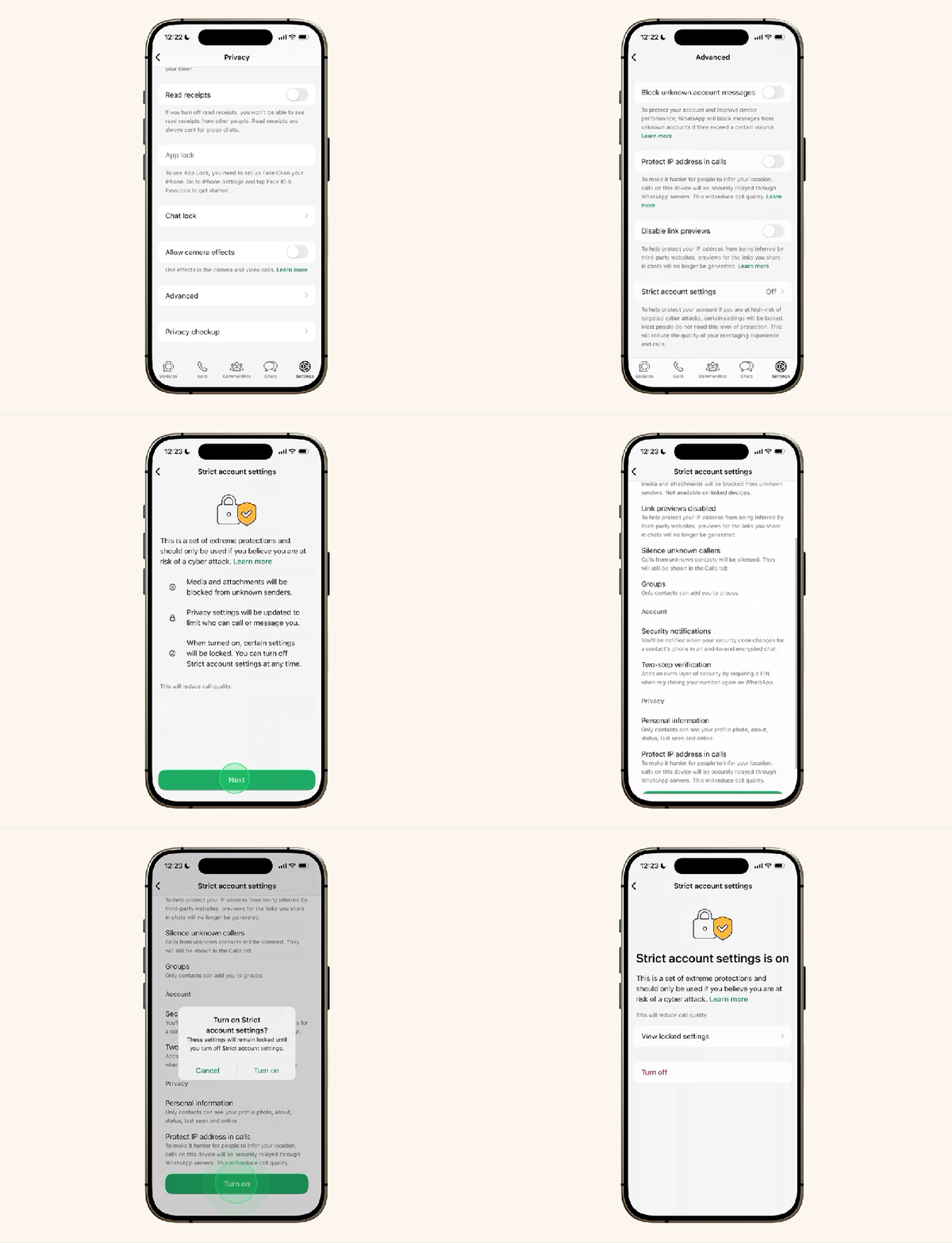
The new security layer functions as a “lockdown” mode, significantly tightening account privacy. Once enabled, the feature automatically implements several protective measures:
- Blocking media and attachments from unknown senders.
- Silencing incoming calls from unknown numbers.
- Disabling link previews to prevent malicious redirects.
- Activating automated filters for high volumes of unknown messages.
- Enforcing two-step verification and security notifications for code changes.
Enhanced Privacy Controls
Beyond blocking external threats, the feature restricts who can access your personal information. Under the strict configuration, your “last seen,” online status, profile photo, and “about” details become visible exclusively to your contacts. Additionally, the ability for others to add you to group chats is restricted to people already in your contact list or those you have pre-selected.
How to Enable the Protection
WhatsApp intends for this feature to be a primary tool for public figures, journalists, and high-risk users. To activate the settings, navigate to Settings > Privacy > Advanced. Note that Meta has restricted the configuration process: you must enable this mode using your primary mobile device, as the option is unavailable on linked platforms like WhatsApp for Web or Windows.
Context of the Rollout
The timing of this update is significant, as it arrives amid legal scrutiny. The ongoing lawsuit claims that Meta maintains the ability to store and analyze supposedly private communications. WhatsApp head Will Cathcart has publicly dismissed these allegations, labeling the legal action as a baseless attempt to generate headlines.