

Google is deploying advanced AI-driven defenses in India to combat a surging epidemic of digital fraud. The tech giant has introduced on-device scam detection for Pixel 9 smartphones and new real-time alerts designed to prevent screen-sharing financial scams, targeting a market where digital transaction fraud has become a critical national concern.
The urgency of this rollout follows alarming data from the Reserve Bank of India (RBI), which reported over 13,516 cases of bank fraud in 2024, resulting in losses of ₹5.2 billion ($58.61 million). The situation is even more dire according to the Ministry of Home Affairs, which estimates that online scams siphoned off nearly ₹70 billion ($789 million) in just the first five months of 2025.
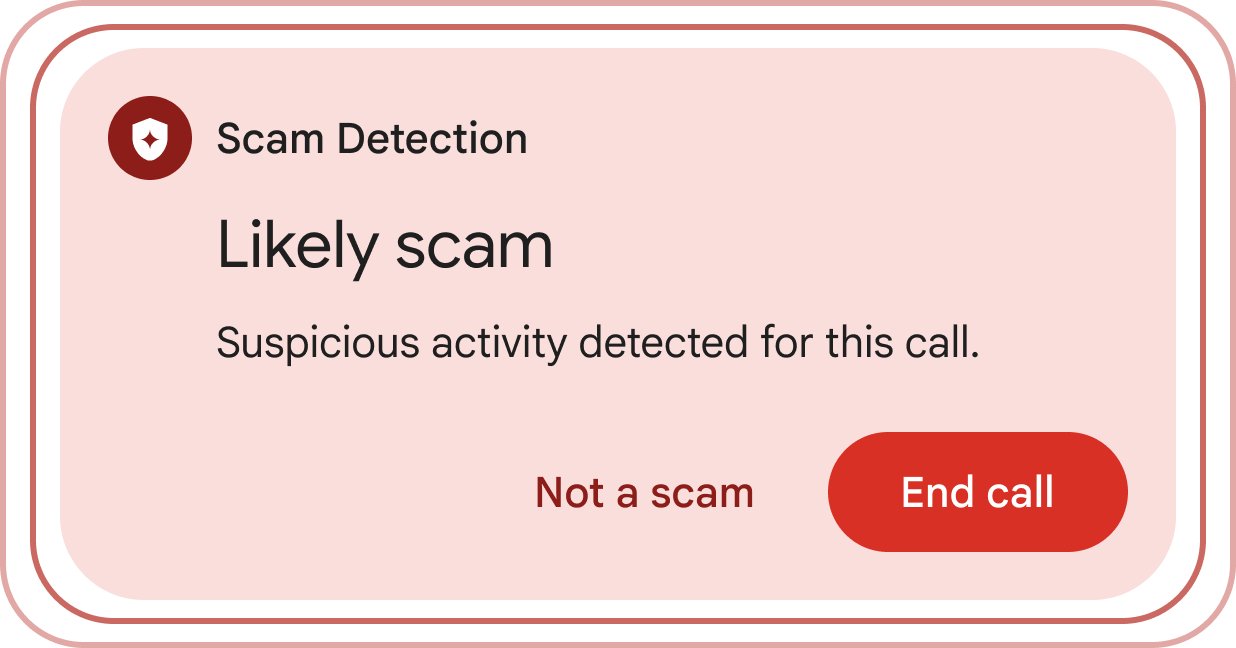
On-Device AI: The New Frontline Against Fraud
Google’s real-time scam detection utilizes the Gemini Nano model to analyze calls directly on the user’s device. By processing data locally, the feature flags potential fraud without sending audio or sensitive information to Google’s servers. The tool is currently available for Hindi and English speakers, providing warnings in both languages.
However, accessibility remains a significant hurdle. The feature is currently restricted to Pixel 9 and later models. While Android dominates nearly 96% of the Indian smartphone market, Pixel devices represent less than 1% of the total user base. Google has confirmed plans to expand this technology to non-Pixel Android devices, though a specific timeline has not been disclosed.
Combating Screen-Sharing Exploits
Beyond call monitoring, Google is pilot-testing a security feature with financial apps—including Navi, Paytm, and Google Pay—to neutralize screen-sharing scams. These attacks typically involve fraudsters coercing victims into sharing their screens to harvest one-time passwords (OTPs) and PINs.
Users running Android 11 or later will receive automated alerts when suspicious screen-sharing behavior is detected, offering a one-tap option to terminate the session. Google intends to onboard additional app partners and integrate support for more regional Indian languages to broaden the tool’s impact.
Systemic Challenges and Play Store Policing
While these AI tools represent a technical leap forward, Google continues to face intense scrutiny regarding its role as an app gatekeeper. Critics, including law enforcement agencies and security researchers, have repeatedly pointed to fake and predatory lending apps that bypass Play Store review processes.
Google asserts that its Play Protect service is working to mitigate these risks, reportedly blocking over 115 million installation attempts of malicious third-party apps this year. Additionally, the company’s DigiKavach awareness campaign has reached over 250 million people, and Google Pay now issues over one million fraud warnings weekly.
Despite these efforts, the persistence of fraudulent apps on the Play Store highlights the ongoing difficulty of policing a massive, fragmented ecosystem. For millions of Indians entering the digital economy for the first time, these AI upgrades are a necessary shield, but systemic gaps in app vetting remain a critical point of friction between the tech giant and safety advocates.