
YouTube has officially launched its advanced likeness-detection technology, providing eligible creators within the YouTube Partner Program the power to identify and remove unauthorized AI-generated content. Following a successful pilot phase, the platform began rolling out access to selected creators this week, marking a significant step in the battle against digital impersonation.
Protecting Creators From AI Misuse
The new detection suite is engineered to scan for and manage AI-synthesized media that mimics a creator’s face or voice. This initiative aims to prevent the weaponization of a creator’s identity, specifically targeting unauthorized product endorsements and the spread of misinformation. High-profile instances of AI abuse—such as the incident where Elecrow used a synthetic clone of YouTuber Jeff Geerling’s voice to market products—have highlighted the urgent need for such safeguards.
How to Activate and Use the Tool
YouTube has outlined a specific verification process for creators via its Creator Insider channel. To enable the protection, users must navigate to the “Likeness” tab, consent to the necessary data processing, and complete an identity verification step. This requires a smartphone to scan an on-screen QR code, followed by the submission of a government-issued photo ID and a brief selfie video.
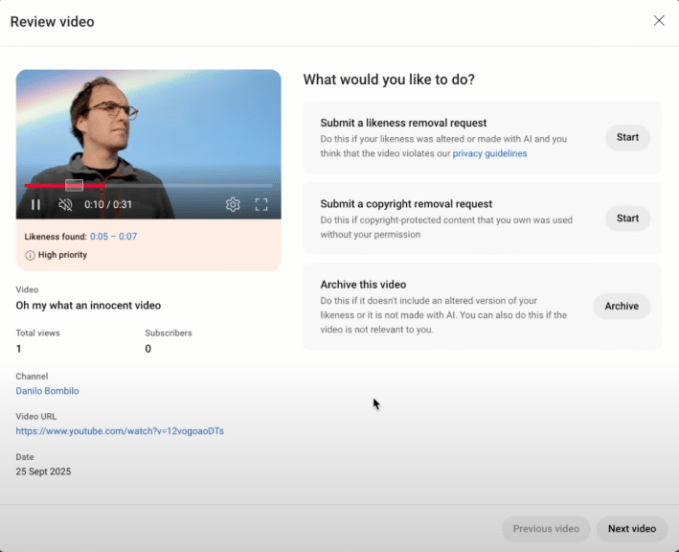
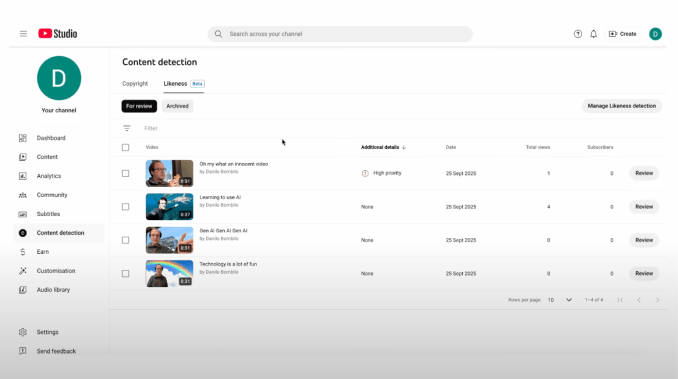
Once verified, creators gain a dedicated dashboard to monitor AI-generated videos featuring their likeness. From there, they can submit removal requests based on YouTube’s privacy guidelines, initiate copyright claims, or opt to archive the detected content. Creators maintain full control and can opt out of the detection service at any time, with scanning features ceasing within 24 hours of deactivation.
Industry Context and Legislative Support
This technology is the culmination of efforts that began earlier this year in pilot mode. YouTube previously signaled its commitment to this issue by partnering with the Creative Artists Agency (CAA) to assist athletes, celebrities, and creators in tracking AI-generated replicas. Furthermore, the platform has publicly supported the NO FAKES Act, a piece of proposed legislation designed to curb the creation of deceptive AI replicas that imitate personal identity for harmful purposes.
The company confirmed that this rollout is currently in its initial phase, with eligible creators receiving notification emails starting this week. Official guidance on the platform’s YouTube channel provides further technical details for those looking to implement these protections.