
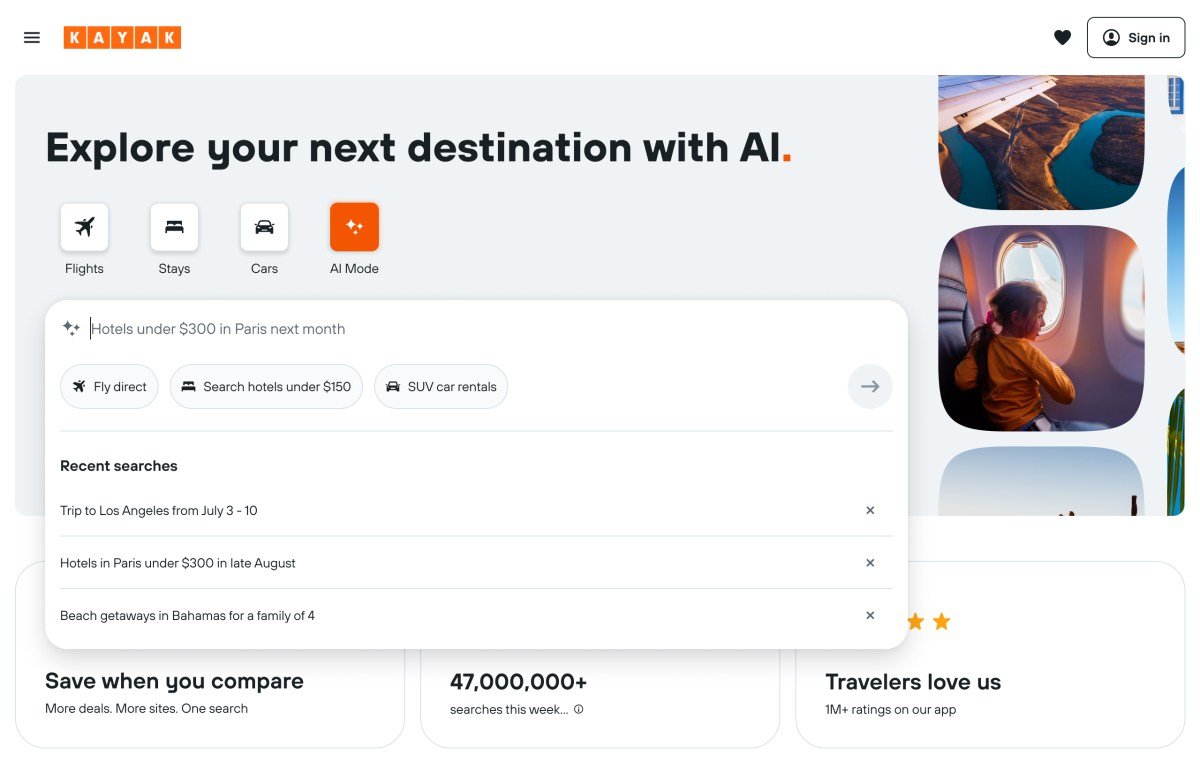
Travel search engine Kayak has officially integrated an “AI Mode” directly into its platform, enabling users to research, compare, and book flights, hotels, and rental cars through a sophisticated AI-powered chatbot. Launched this week, the feature is now live on both desktop and mobile web, leveraging Kayak’s integration with ChatGPT to provide highly contextual travel planning.
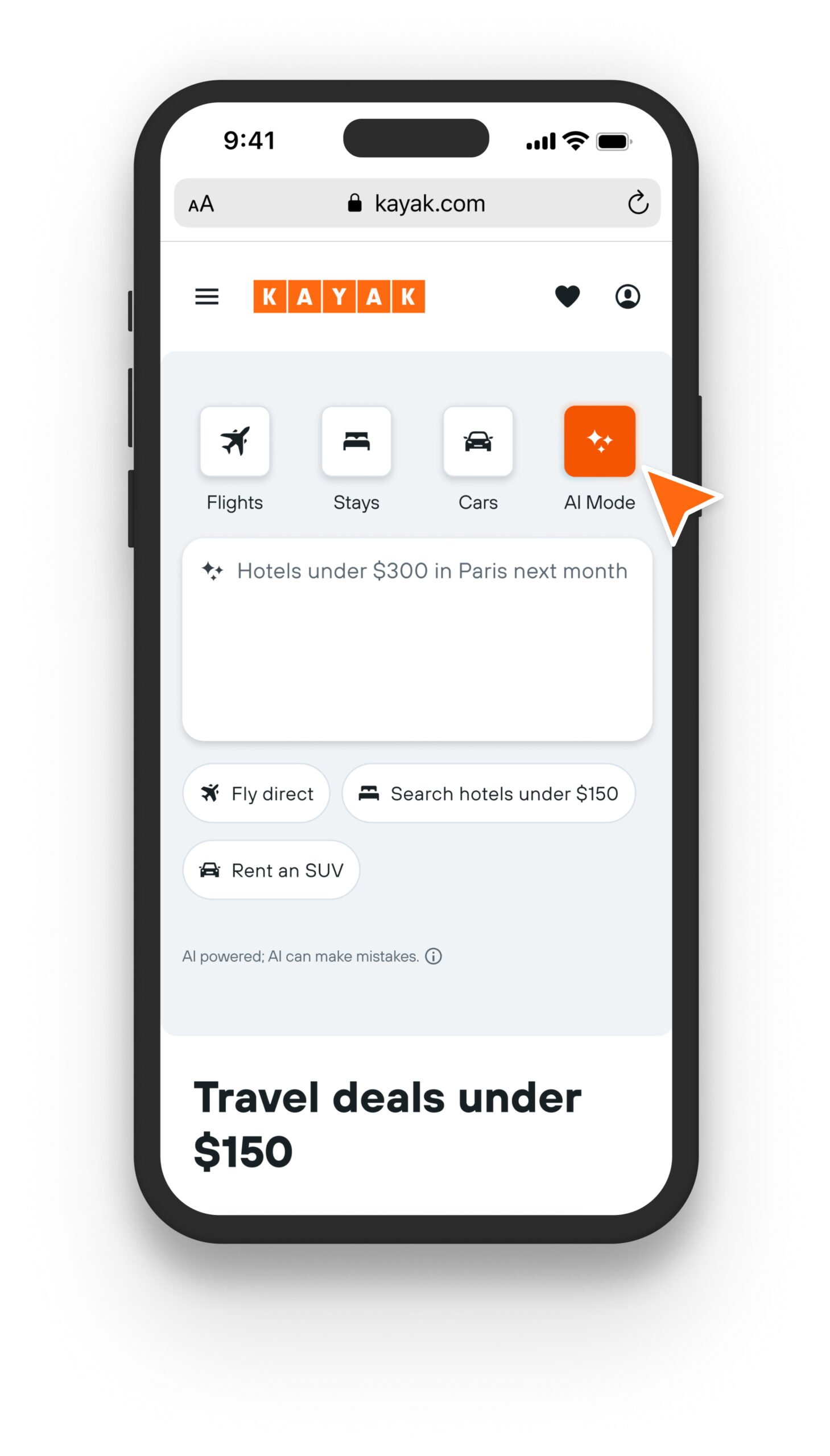
From Experimental Labs to Mainstream Utility
This rollout follows the company’s April introduction of Kayak.ai, a sandbox environment designed to test AI capabilities. By merging Kayak’s proprietary data and tools with OpenAI’s technology, the team successfully refined features before migrating them to the main Kayak.com experience. The new “AI Mode” essentially mirrors the functionality tested in the lab, now fully embedded into the primary user interface.
How AI Mode Enhances Trip Discovery
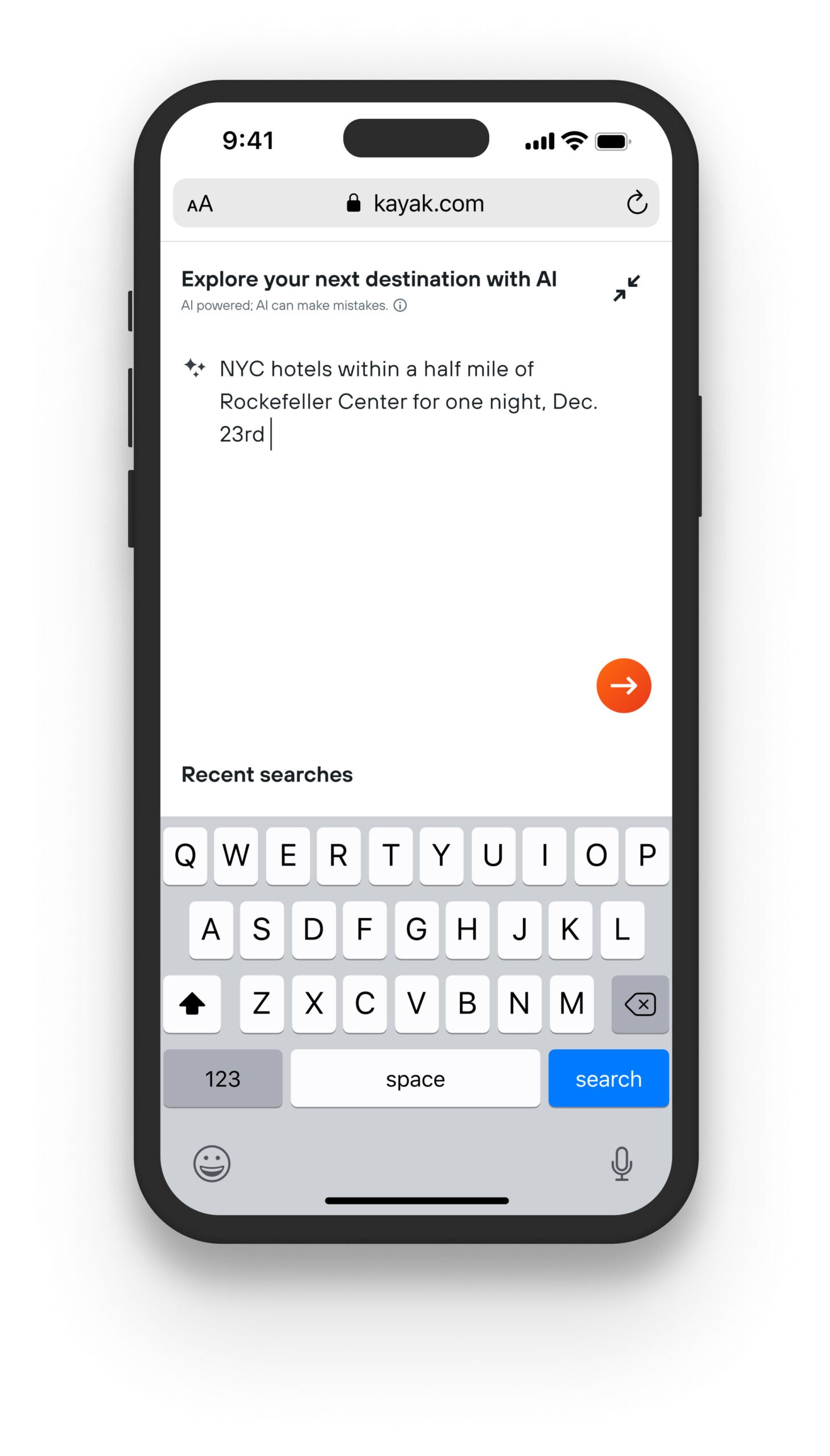
The chatbot acts as a virtual travel assistant, allowing users to move beyond traditional form-based searches. Travelers can input open-ended queries such as, “I want to party for New Year’s Eve — where should I go?” or request specific logistical support, including:
- Identifying flights under a specific price point.
- Finding the best deals for a preferred destination.
- Comparing hotel amenities and rental car availability.
- Locating nonstop flight options.
Strategic Implementation and Future Outlook
While the AI tool is currently available in English for users in the United States, Kayak plans to expand support to additional languages and countries later this month. Furthermore, the company intends to introduce voice-based request support and roll the feature out across more platforms in the near future.
The travel industry is currently a primary battleground for AI innovation, as companies seek to simplify the often tedious booking process. While competitors like Expedia and Booking.com—which is also owned by Booking Holdings—have opted to operate as plugins within ChatGPT, Kayak’s strategy is different. By keeping the AI chatbot native to its own website, the company secures more direct access to consumer behavior data and granular insights regarding how travelers interact with AI tools during the planning phase.