
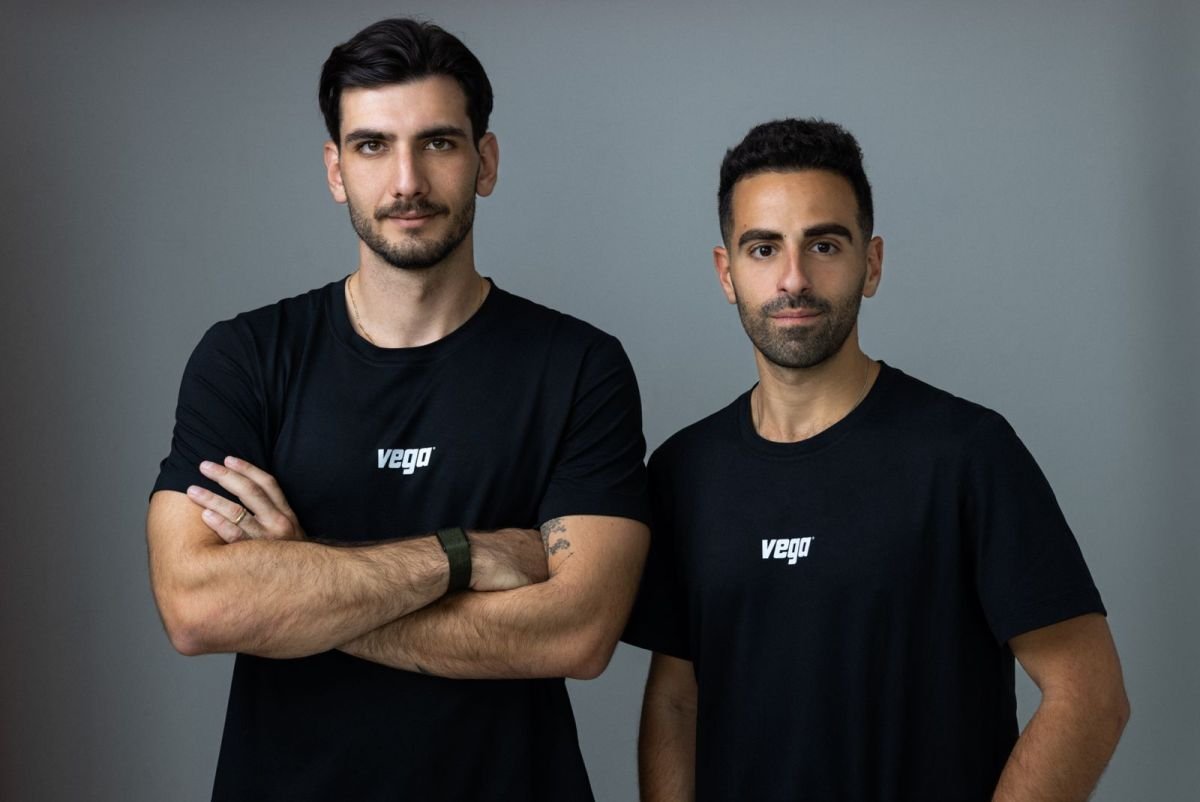
Cybersecurity startup Vega Security has secured $120 million in a Series B funding round, pushing its valuation to $700 million. The two-year-old company aims to overhaul how enterprises detect digital threats by moving away from traditional, centralized data models that struggle to keep pace with modern cloud environments.
Challenging the Legacy SIEM Model
Modern enterprises are drowning in security data, yet legacy tools—typified by industry giant Splunk—require companies to centralize all information before analysis can occur. This approach is increasingly viewed as slow, prohibitively expensive, and ineffective for complex, distributed cloud infrastructures where data volume is exploding.
Vega’s AI-native platform flips this paradigm. Instead of forcing data migrations, the software operates directly where the data resides, integrating seamlessly with existing cloud services, data lakes, and storage systems. According to CEO Shay Sandler, this “plug and play” architecture allows organizations to achieve incident response readiness without the operational friction associated with traditional SIEM (Security Information and Event Management) systems.
Strategic Growth and Market Validation
The latest funding round, led by Accel with participation from Cyberstarts, Redpoint, and CRV, brings Vega’s total capital raised to $185 million. The startup plans to utilize these funds to accelerate the development of its AI-native security operations suite, bolster its go-to-market strategy, and drive global expansion.
The company has already gained significant traction, signing multimillion-dollar contracts with major Fortune 500 firms, including players in the banking, healthcare, and cloud-heavy sectors like Instacart. Investors point to the startup’s ability to solve the “data hostage” dilemma as a primary driver of this rapid adoption.
Why Investors Are Betting on Vega
Andrei Brasoveanu, a partner at Accel, noted that legacy providers have faced mounting criticism for their inability to scale alongside AI-driven data surges. By decentralizing threat detection, Vega avoids the massive overhead that has historically plagued enterprise security budgets.
For Sandler, a former member of the Israeli military’s cybersecurity unit and a key figure behind the $650 million acquisition of Granulate by Intel, the mission is clear: removing the “drama” from enterprise security. By eliminating the need for years-long data migrations, Vega positions itself as a frictionless alternative in a market ripe for disruption.