
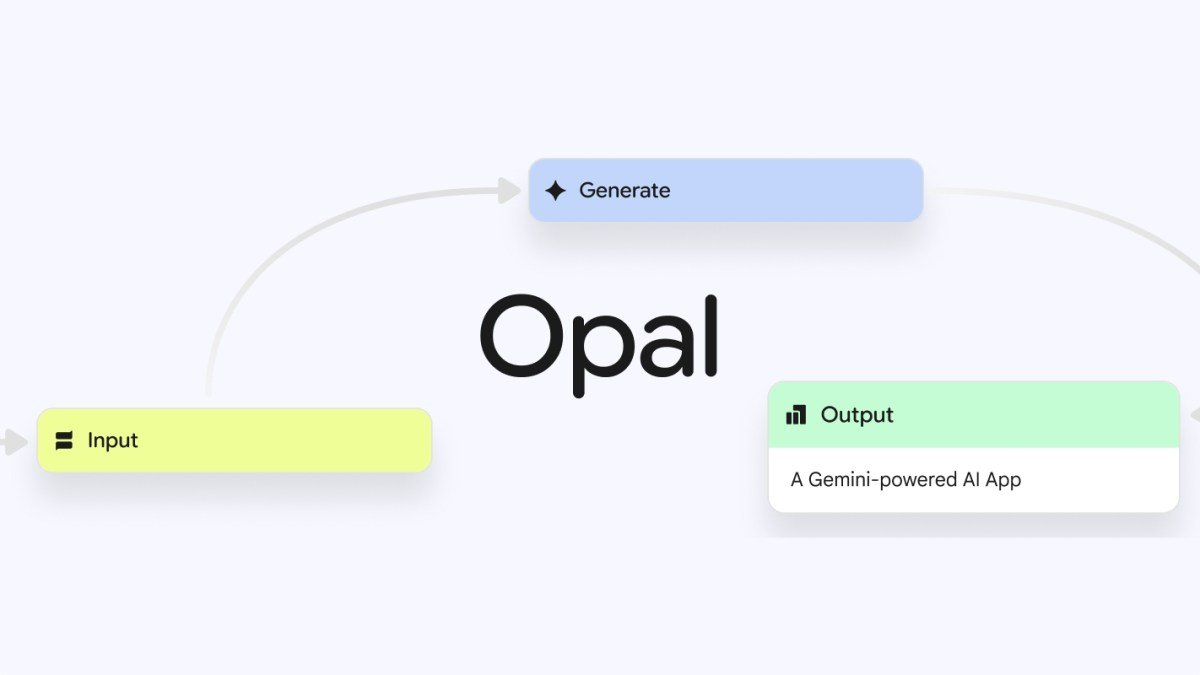
Google has officially expanded the reach of Opal, its innovative AI-powered “vibe-coding” platform, to 15 additional countries. The tool, designed to allow users to build functional mini web applications through simple text prompts, is now accessible in Canada, India, Japan, South Korea, Vietnam, Indonesia, Brazil, Singapore, Colombia, El Salvador, Costa Rica, Panama, Honduras, Argentina, and Pakistan.
Global Expansion Driven by User Creativity
The decision to scale follows a successful pilot in the United States. According to Megan Li, a senior product manager at Google Labs, the initial response surpassed internal expectations. While the team anticipated the creation of simple, recreational tools, users instead delivered a wave of sophisticated and highly practical applications. This surge in ingenuity prompted Google to accelerate global availability for Opal.
How Vibe-Coding Works
Opal simplifies software development by translating natural language descriptions into functional web apps. The platform leverages Google’s proprietary AI models to handle the underlying architecture. Once an app is generated, users gain access to an editor panel where they can:
- Review and customize the visual workflow of inputs and outputs.
- Edit specific prompts for individual generation steps.
- Manually insert new steps via the platform’s toolbar.
- Publish applications to the web and share them via direct links for testing.
Performance Upgrades and Debugging
Alongside the geographic expansion, Google has introduced significant technical refinements to the Opal ecosystem. The platform now features an enhanced, no-code debugging system. Users can execute workflows step-by-step within the visual editor or monitor specific console tweaks. By highlighting errors exactly where they occur, the system eliminates the trial-and-error process typically associated with app development.
Furthermore, Google has optimized core performance metrics. The time required to initialize a new Opal project has been drastically reduced, dropping from a five-second latency to a much faster execution speed. The platform now also supports parallel step execution, enabling the creation of complex workflows that process multiple tasks simultaneously.
Strengthening the No-Code Landscape
Since its U.S. debut in July, Opal has established itself as a major player in the no-code development sector. By enabling non-technical users to design functional prototypes without writing a single line of code, Google is positioning Opal to compete directly with industry leaders like Canva, Figma, and Replit in the democratized software creation market.