
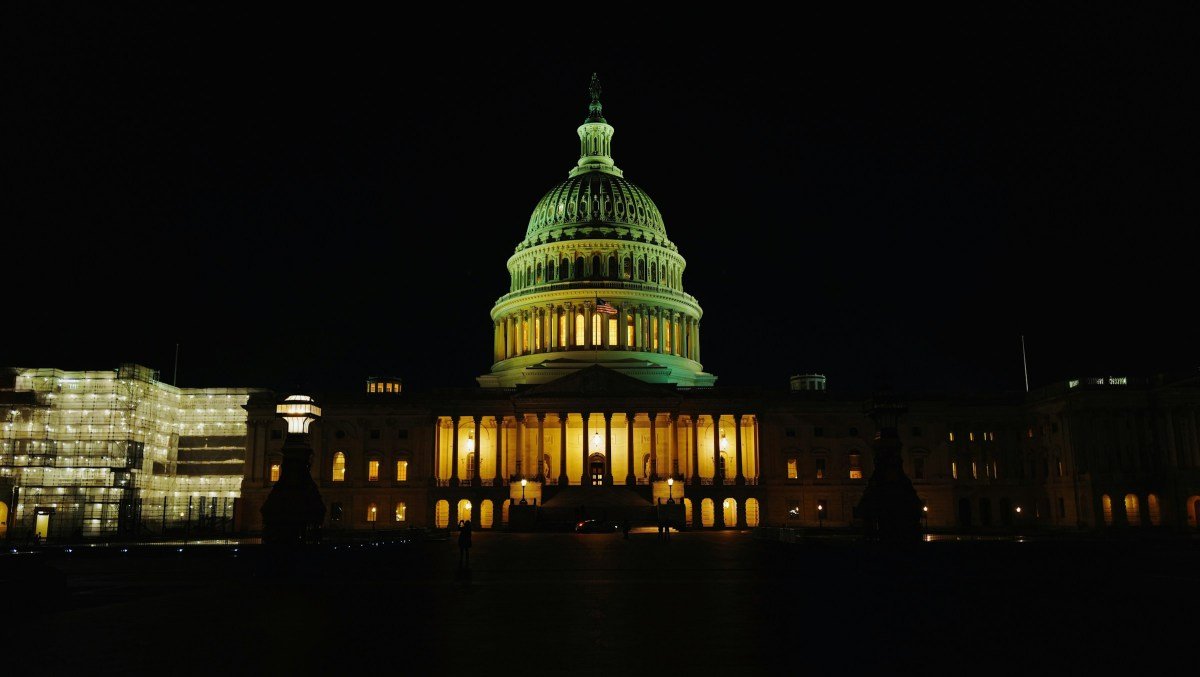
The U.S. Congressional Budget Office (CBO) officially confirmed a significant security breach this week, prompting an immediate investigation and a tightening of federal digital defenses. The nonpartisan agency, responsible for providing critical economic analysis and cost estimates for federal legislation, is currently working to contain the intrusion and mitigate potential fallout.
Inside the Breach: Foreign Actors and Sensitive Data
CBO spokesperson Caitlin Emma confirmed Friday that the agency has identified the security incident, enacted containment protocols, and deployed enhanced monitoring and new security controls to safeguard its systems. While official details remain limited, reports from The Washington Post suggest that foreign hackers orchestrated the intrusion.
There is growing concern that the unauthorized access may have compromised sensitive internal communications. This includes internal emails, chat logs, and confidential exchanges between CBO researchers and various congressional offices.
Risk of Phishing and Legislative Fallout
The potential exposure of communications has triggered a high-alert status across Capitol Hill. According to Reuters, the Senate Sergeant at Arms office issued a formal warning to congressional staff. The notice cautioned that compromised email threads could be weaponized by threat actors to craft sophisticated phishing attacks targeting lawmakers and their aides.
Was an Outdated Firewall the Weak Link?
While the CBO has not disclosed the specific entry point used by the attackers, independent security researchers have pointed to potential infrastructure vulnerabilities. Security expert Kevin Beaumont noted on Bluesky that the agency may have been running an outdated Cisco firewall.
Beaumont highlighted that the CBO’s network utilized a Cisco ASA firewall that had not received critical patches since 2024. At the time of his observation, the hardware was reportedly susceptible to a series of high-severity security bugs—vulnerabilities previously exploited by hackers suspected to be backed by the Chinese government.
Current Status of Security Measures
The researcher further noted that these patches remained unapplied when the federal government shutdown commenced on October 1. Following the public disclosure of the breach, Beaumont confirmed that the specific firewall in question was taken offline. The CBO has declined to comment on the specific technical findings regarding the firewall, and Cisco representatives have not yet responded to inquiries regarding the incident.