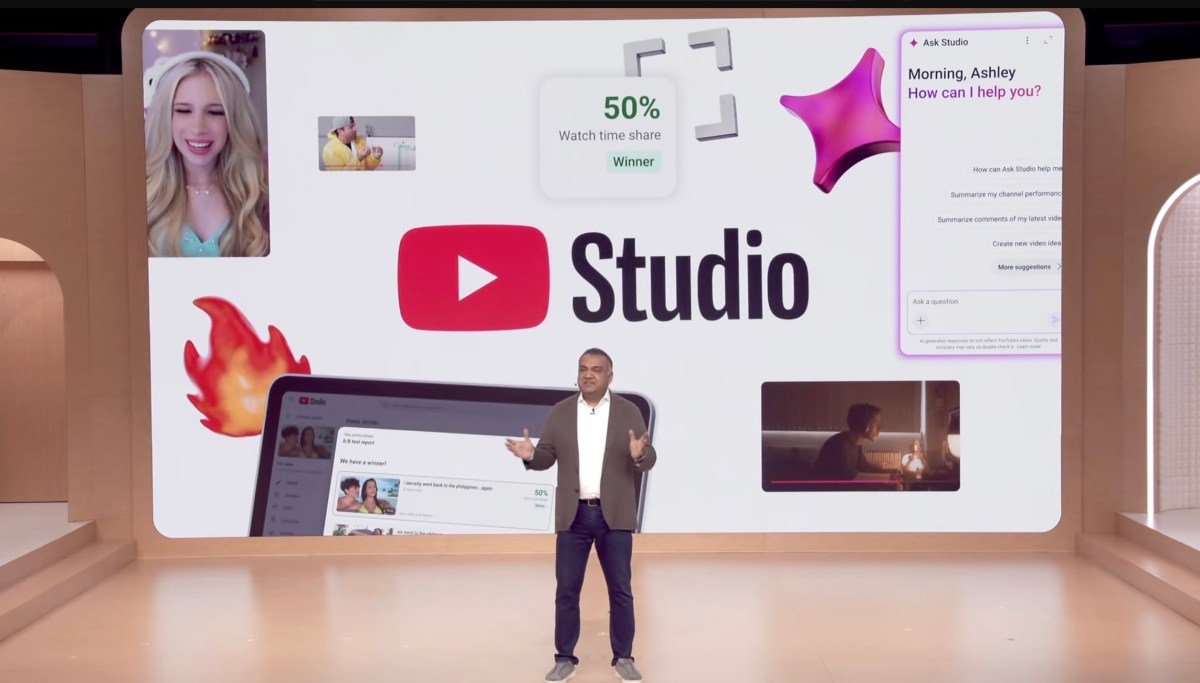
YouTube officially unveiled a major suite of updates for YouTube Studio during its “Made on YouTube” event this Tuesday. Aimed at the platform’s 30 million active creators, these new tools integrate advanced AI to streamline channel management, enhance content discovery, and provide robust protection against unauthorized use of a creator’s image.
New Likeness Detection for Creator Protection
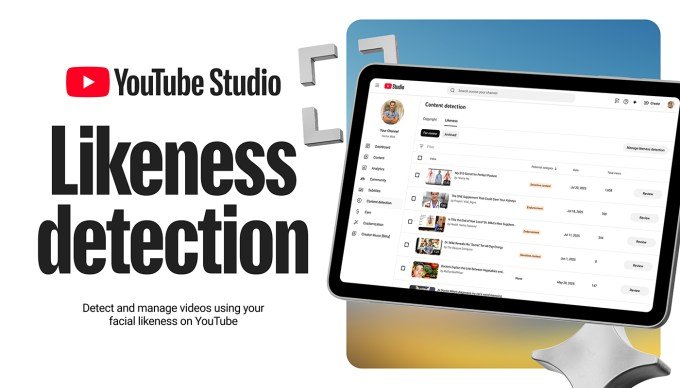
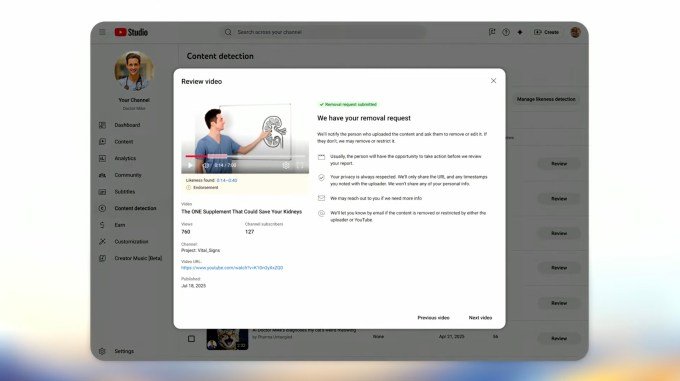
The most significant addition is the expansion of likeness-detection technology. Initially tested with high-profile creators like MrBeast, the feature is moving into an open beta for all members of the YouTube Partner Program. This tool empowers creators to proactively detect, manage, and request the removal of videos that use their facial likeness without authorization, serving as a critical shield for their reputation and brand identity.
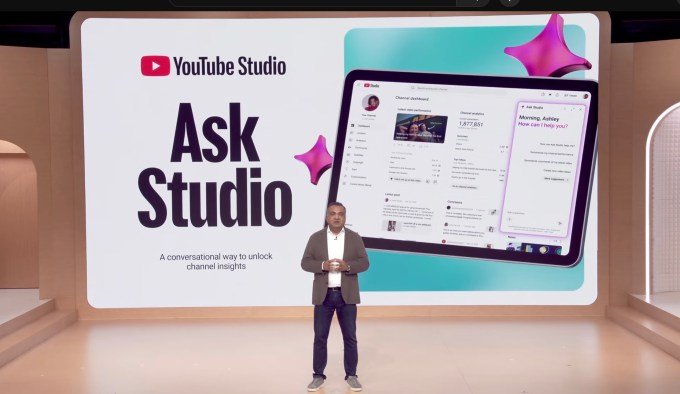
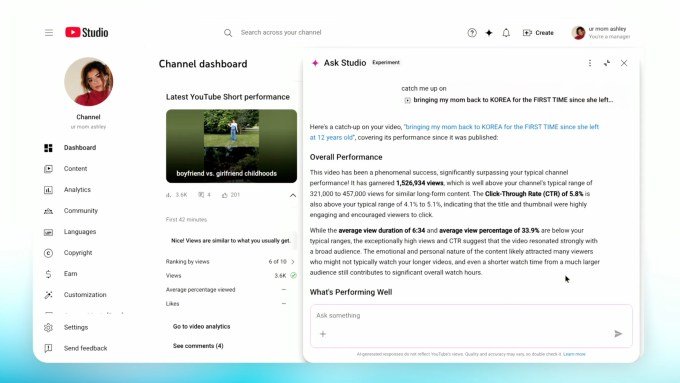
AI-Powered Assistance: Ask Studio
YouTube is introducing “Ask Studio,” an AI-driven chatbot designed to provide real-time, actionable insights. Creators can query the bot regarding their account performance, audience sentiment, and feedback on specific editing styles. This feature is distinct from previous consumer-facing AI experiments, focusing strictly on helping creators optimize their growth strategy.
Enhanced Inspiration and A/B Testing
The Inspiration tab in YouTube Studio is receiving a substantial upgrade. Creators will now receive tailored topic suggestions based on their channel history. When using AI prompts, the system will generate up to nine distinct responses, complete with detailed explanations on why specific suggestions were made based on audience behavior.
Furthermore, YouTube is expanding its A/B testing capabilities. Creators can now test and compare up to three different title and thumbnail combinations. The platform reports that this feature has already been utilized over 15 million times since its initial rollout.
Streamlined Collaborations and Global Reach
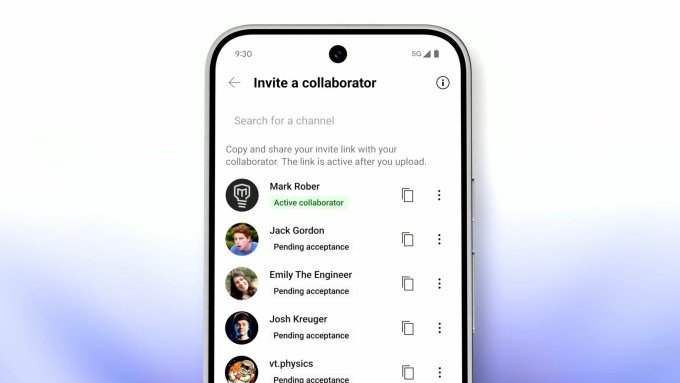
Engagement features are also seeing a boost with a new collaboration tool. Up to five creators can now participate in a single video that appears across all their respective channels. While this facilitates cross-pollination of audiences, YouTube clarifies that revenue attribution remains tied to the channel that hosts the video.
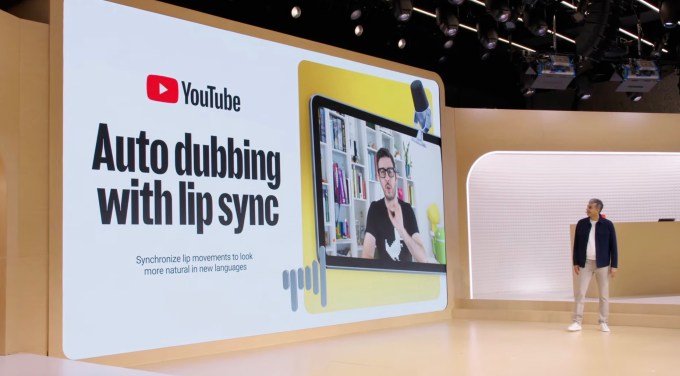
On the international front, YouTube is upgrading its auto-dubbing technology. The platform currently supports 20 languages and is now testing lip-syncing AI to ensure translated audio matches the speaker’s mouth movements. Internal data from December 2024 to August 2025 shows that viewers spend over 75% of their time watching auto-dubbed content compared to the original, signaling strong user adoption for translated material.