
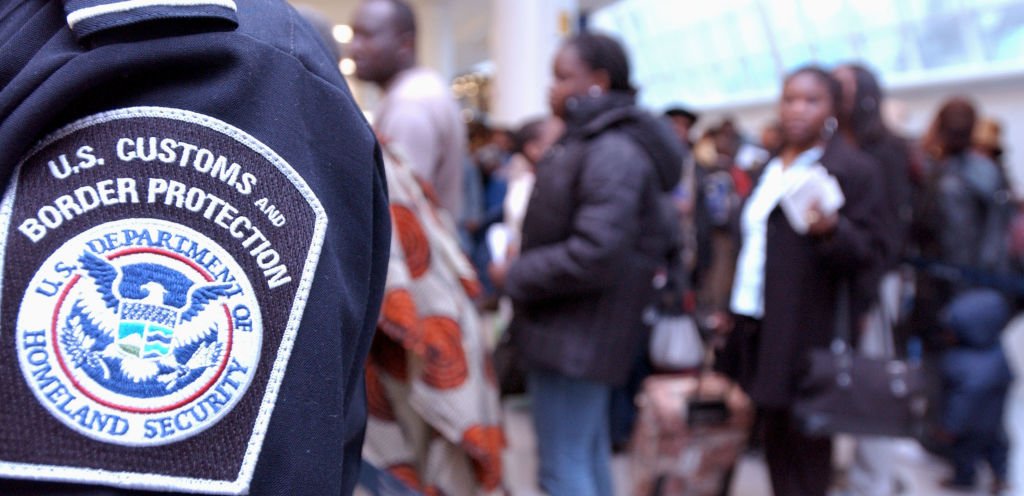
U.S. Customs and Border Protection (CBP) agents conducted a record-breaking number of electronic device searches between April and June, marking the highest volume of digital inspections in a three-month period to date. According to new government data, the agency inspected 14,899 devices, representing a 17% increase over the previous record established in early 2022.
Understanding Border Search Protocols
The vast majority of these inspections are classified as “basic searches.” In these instances, border agents require travelers to provide passwords or access codes, allowing officials to manually review the contents of smartphones, laptops, and tablets without the use of specialized forensic equipment.
Legal Consequences of Refusing a Search
The implications of declining a digital search vary significantly depending on the traveler’s citizenship status:
- U.S. Citizens: Entry cannot be denied for refusing a search; however, authorities retain the power to seize devices indefinitely if a traveler refuses to comply.
- International Visitors: Foreign nationals who decline a request to search their electronic devices face immediate rejection of entry into the United States.
The Constitutional Debate
The constitutionality of these warrantless searches continues to spark intense legal debate. While various federal courts have issued conflicting rulings regarding the scope of privacy at the border, the U.S. Supreme Court has yet to provide a definitive ruling on the matter, leaving the legality of these expansive digital inspections in a state of ongoing judicial uncertainty.