

Snap has officially acquired Saturn, a popular social calendar application tailored for high school and college students. The deal, confirmed by Snap this Friday, aims to integrate the startup’s unique scheduling expertise into the Snapchat ecosystem. While financial terms remain undisclosed, Saturn will continue to function as a standalone platform.
Strategic Talent Acquisition and Integration
As part of the acquisition, nearly the entire Saturn workforce—totaling just under 30 full-time employees—is transitioning to Snap. Although specific product roadmaps have not been finalized, a company spokesperson indicated that Snap intends to leverage Saturn’s innovative calendaring technology to enhance features within Snapchat.
Transforming Student Connectivity
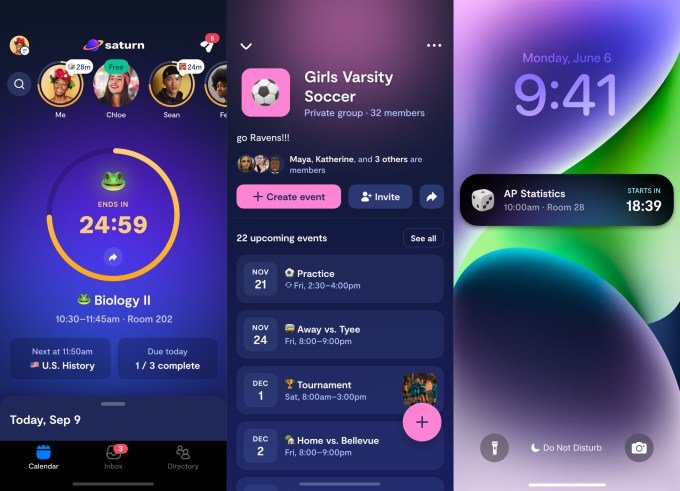
Founded in 2018, Saturn redefined how students organize their academic lives by injecting a social layer into the traditional calendar. Rather than relying on manual schedule sharing, the app allows users to:
- View classmates’ schedules in real-time.
- Coordinate plans for practices, rehearsals, and meetings.
- Sync academic and extracurricular calendars seamlessly.
The platform has achieved significant market penetration, with Snap noting that Saturn currently provides support for approximately 80% of U.S. high schools. By transforming scheduling into a dynamic and engaging social experience, Saturn has successfully fostered real-world connections among students.
A Proven Track Record
The startup’s potential has long been recognized by high-profile investors. As reported by Forbes in 2021, Saturn secured $44 million in funding. The round was led by major firms including General Catalyst, Insight Partners, and Coatue, with high-profile participation from figures such as Jeff Bezos, Marc Benioff, and Dara Khosrowshahi.
This acquisition marks a pivotal step for Snap as it seeks to deepen its engagement with the student demographic by integrating utility-driven social tools.