
A catastrophic security breach at location data broker Gravy Analytics has exposed sensitive, historical movement patterns of millions of smartphone users globally. The incident, which involves the theft of terabytes of data, has compromised the privacy of individuals by revealing precise locations, home addresses, and travel histories collected through popular consumer applications.
Scale of the Exposure
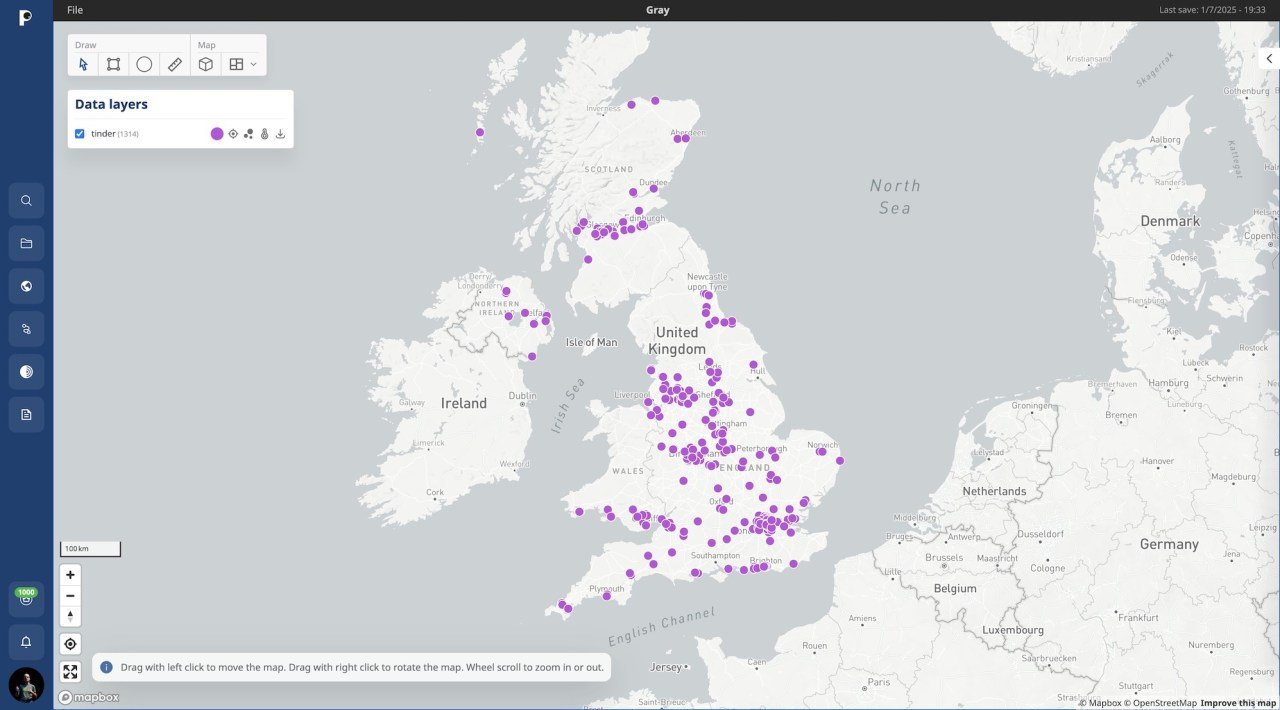
The breach came to light after a hacker published samples of the stolen data on a restricted Russian-language cybercrime forum. The leaked dataset, containing over 30 million location points, includes information from a wide array of apps, spanning health and fitness trackers, dating platforms, transit services, and mobile games.
Unacast, the parent company that merged with Gravy Analytics in 2023, confirmed the breach to data protection authorities in Norway and the U.K. following the discovery of a “misappropriated key” that granted unauthorized access to their Amazon cloud environment on January 4.
Real-World Risks and Deanonymization
Security experts have expressed alarm at the granular nature of the compromised data. Baptiste Robert, CEO of Predicta Lab, successfully mapped device locations to high-security sites, including the White House, the Kremlin, and various global military bases.
Beyond national security concerns, the data poses immediate risks to personal safety. Researchers demonstrated that the information allows for the easy deanonymization of individuals, tracking specific users from their workplaces to their private residences. Furthermore, the exposure of data from dating apps creates severe safety risks for LGBTQ+ users in regions where homosexuality remains criminalized.
The “Bidstream” Surveillance Engine
Gravy Analytics’ massive collection is largely fueled by “real-time bidding”—the automated auction process that determines which advertisements appear on a user’s device within milliseconds. During these auctions, technical data—including IP addresses, device models, and sometimes precise GPS coordinates—is broadcast to multiple advertisers.
Data brokers frequently harvest this “bidstream” information, aggregating it to build comprehensive profiles of individual lives. While many apps involved, such as Tinder and Grindr, have denied direct business relationships with Gravy Analytics, the opaque nature of the advertising ecosystem means user data can be intercepted by third parties without the app developers’ direct consent or knowledge.
Steps to Mitigate Ad Surveillance
While the scale of industry-wide tracking is vast, users can take specific actions to reduce their digital footprint:
- Enable Tracking Protections: On iOS, navigate to Settings > Privacy > Tracking and disable app requests to track. This limits the use of your unique device identifier.
- Manage Android Ad IDs: In Android settings, visit Privacy > Ads to delete or reset your advertising ID regularly.
- Restrict Permissions: Audit app permissions and deny location access to any application that does not strictly require it for core functionality.
- Use Content Blockers: Employ ad-blocking software or mobile content blockers to prevent tracking scripts from executing within your browser.
The Federal Trade Commission recently took action against Gravy Analytics and its subsidiary, Venntel, for collecting and selling location data without consumer consent—a move that underscores the long-standing regulatory scrutiny regarding the surveillance-for-profit business model.