
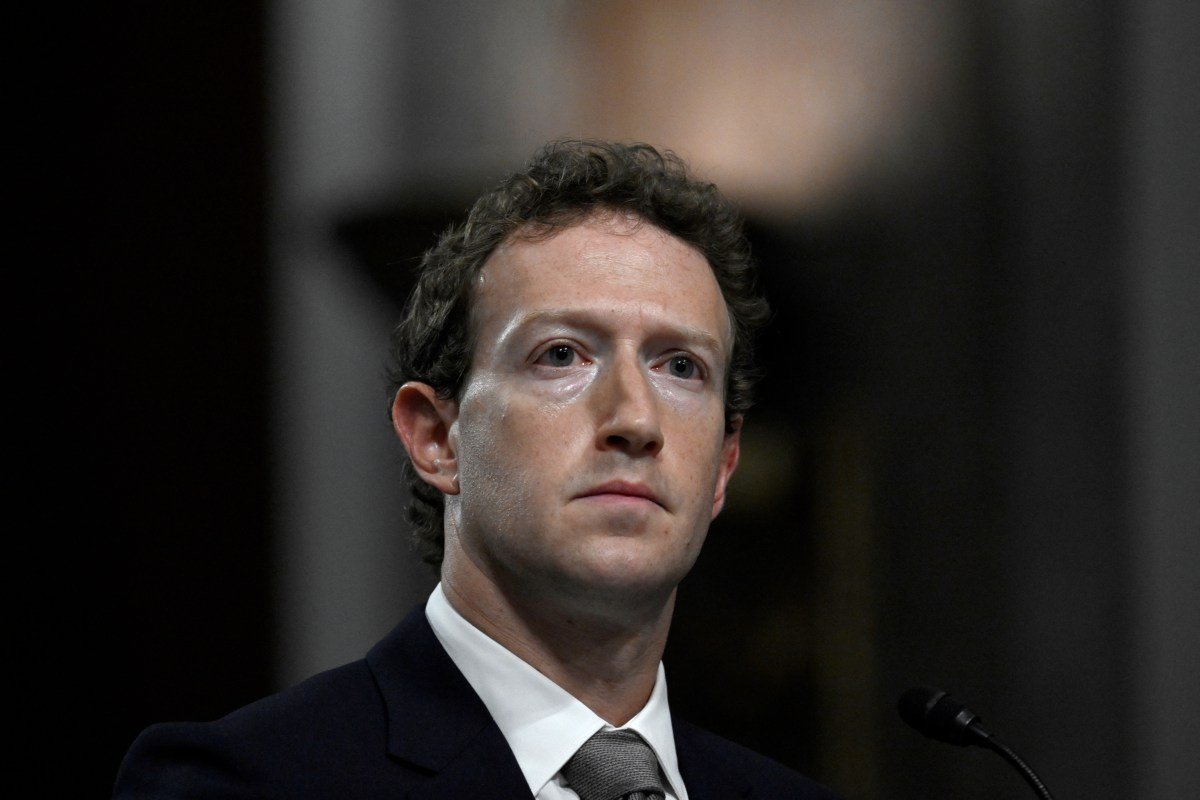
Meta CEO Mark Zuckerberg testified on Wednesday that the meteoric rise of TikTok posed an “urgent” competitive threat that triggered a dramatic slowdown in Meta’s growth. The admission came during a high-stakes antitrust trial brought by the U.S. Federal Trade Commission (FTC), which seeks to challenge the tech giant’s market dominance.
The TikTok Factor: A Direct Competitive Threat
Zuckerberg acknowledged that the short-form video platform, owned by ByteDance, fundamentally altered the trajectory of his company. According to reports from Bloomberg, The New York Times, and other outlets, Zuckerberg identified TikTok as a “top priority” starting in 2018. The FTC’s ongoing litigation could force Meta to divest key assets, including Instagram or WhatsApp, if the government prevails.
Shifting Metrics and Market Strategy
The timeline of TikTok’s emergence aligns with a pivotal change in how Meta reported its performance. Following ByteDance’s 2018 merger of TikTok and Musical.ly, Meta—then known as Facebook—ceased reporting standalone Facebook user numbers. The company pivoted to a “family of apps” metric covering Instagram and WhatsApp, a move critics suggest was intended to obscure declining growth within its flagship platform.
From Social Connections to Discovery Engines
During his testimony, Zuckerberg offered a candid assessment of the evolution of social media dynamics. He argued that the traditional “network effects” based on personal connections with friends and family have diminished in importance.
“The apps now serve primarily as discovery engines,” Zuckerberg stated. “People can take that content to messaging engines.”
The Pivot Back to “OG Facebook”
Despite his emphasis on discovery, Meta is simultaneously attempting to revitalize its original social networking utility. Zuckerberg recently informed investors that a “return to OG Facebook” is a primary corporate objective for 2025. This strategy includes a revamped Friends tab designed to boost user interaction and connection activity, signaling a hedge against the discovery-first model currently dominated by competitors.