
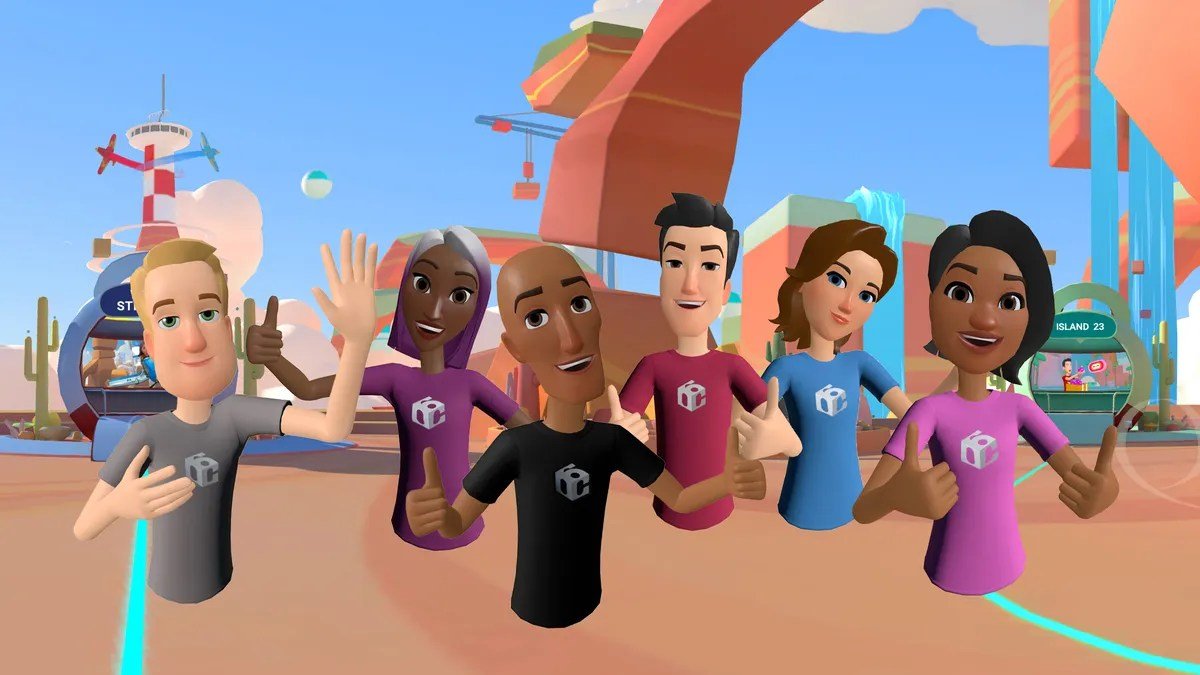
Meta has officially signaled the end of its aggressive push into the metaverse. Following years of heavy investment, the company recently laid off approximately 1,500 employees from its Reality Labs division—roughly 10% of the unit’s total staff—and shuttered several internal VR game studios, according to The Wall Street Journal. This move marks a definitive reversal for the tech giant, which just four years ago pivoted its entire corporate identity toward a virtual reality future.
From Rebranding to Retrenchment
In 2021, Facebook rebranded as Meta, aiming to define the next era of digital interaction. The strategy was two-fold: capture the social habits of Gen Z, who favor immersive platforms like Roblox, and distance the company from a wave of scandals involving data privacy, the spread of misinformation, and monopolistic practices. However, the vision of a sprawling, VR-centric social ecosystem has been effectively abandoned in favor of an AI-first strategy.
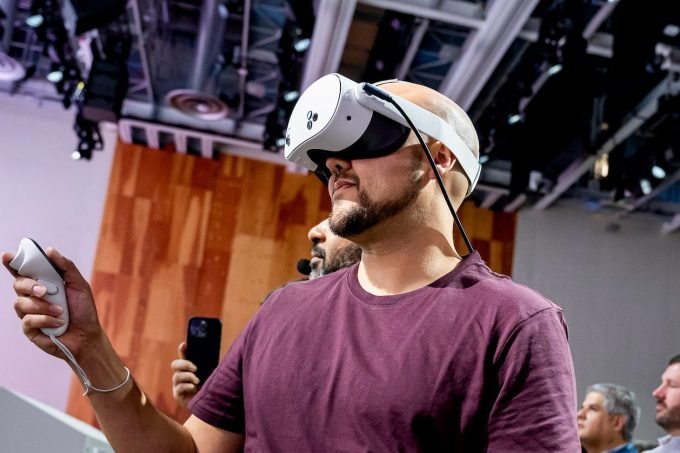
The recent cuts have hit several high-profile studios, including Armature Studio (Resident Evil 4 VR), Twisted Pixel (Marvel’s Deadpool VR), and Sanzaru (Asgard’s Wrath). Furthermore, the fitness app Supernatural, acquired for $400 million, has shifted to “maintenance mode,” and the professional collaboration tool Workrooms is being discontinued, as reported by The Verge.
The $73 Billion Gamble
The deprioritization of VR comes as little surprise to investors, as the Reality Labs division failed to turn a profit while burning through roughly $73 billion. To put this massive capital expenditure into perspective, Meta spent the equivalent of $1 million per day for 200 years.
The “build in the open” model backfired. Early metaverse products were widely criticized for poor aesthetics—notably the legless avatars and Mark Zuckerberg’s viral, low-quality selfie—which failed to generate meaningful consumer demand. Global VR headset shipments fell 12% year-over-year in 2024, marking three consecutive years of decline, according to Counterpoint Research.

Platform Fees and Safety Woes
Zuckerberg’s ambition to bypass Apple and Google’s app store dominance led him to set aggressive revenue-sharing models. Meta planned to take a 47.5% cut of digital asset sales within Horizon Worlds, a decision that alienated the very creators needed to populate the platform.
Safety also remained a persistent hurdle. The company was consistently reactive, implementing features like “Personal Boundary” only after reports of sexual harassment and virtual assault in the space. The lack of proactive policy-making and the inability to effectively police user behavior further tarnished the platform’s reputation.

The AI Pivot
While VR stagnated, Meta’s Ray-Ban smart glasses have gained significant traction. With integrated AI features and hands-free recording, these glasses have occasionally outsold traditional eyewear in retail, prompting the company to consider doubling production output.

With competitors like OpenAI and Amazon focusing on AI-driven hardware, VR appears increasingly like a dated vision of the web. Meta is now reallocating resources toward its AI applications and large language models, effectively closing the chapter on its metaverse ambitions.