
In a tumultuous week for the hardware sector, industry stalwarts iRobot, Luminar, and Rad Power Bikes have all filed for bankruptcy. Despite operating in vastly different markets—ranging from autonomous vacuum cleaners and lidar sensor technology to electric mobility—these companies share a common thread of systemic failure and external market pressures.
The Anatomy of a Hardware Meltdown
The collapse of these three entities highlights the fragility of hardware-focused business models in the current economic climate. While their products differ, the underlying causes of their insolvency are strikingly similar: a failure to innovate beyond their original product lines, massive supply chain vulnerabilities, and the fallout from high-stakes deals that failed to materialize.
Industry analysts point to a combination of factors that accelerated their decline:
- Geopolitical and Tariff Pressures: Heavy reliance on global supply chains, particularly in China, has left these companies exposed to shifting trade policies and increased costs.
- Failed M&A Activity: The collapse of acquisition plans—most notably the FTC’s move to block Amazon’s purchase of iRobot—stripped these companies of their perceived “exit strategy” and financial safety nets.
- Stagnation: Each company struggled to maintain its market dominance as competitors flooded the space with cheaper, more agile alternatives.
Rad Power Bikes: From Pandemic Boom to Bankruptcy
Rad Power Bikes, once considered a leader in the micromobility space, serves as a prime example of a company unable to sustain its pandemic-era momentum. After experiencing a surge in demand as commuters abandoned public transit, the company’s revenue plummeted from $123 million in 2023 to just $63 million during the lead-up to its bankruptcy filing.
Beyond revenue declines, the company faced significant operational hurdles, including a critical battery recall. Analysts note that the financial burden of such recalls, compounded by an uneven competitive footing due to international tariffs, left the company with little room to pivot.
Lidar and the Autonomous Vehicle Hype
Luminar’s bankruptcy marks a sobering moment for the autonomous vehicle (AV) sector. Founded in the early 2010s with the mission of making expensive lidar sensors accessible for commercial automotive use, the company secured major partnerships with industry giants like Volvo and Mercedes-Benz. However, their extreme concentration on the AV market proved to be their undoing when the initial hype cycle failed to translate into widespread, profitable adoption.
iRobot: The Cost of the Amazon Deal
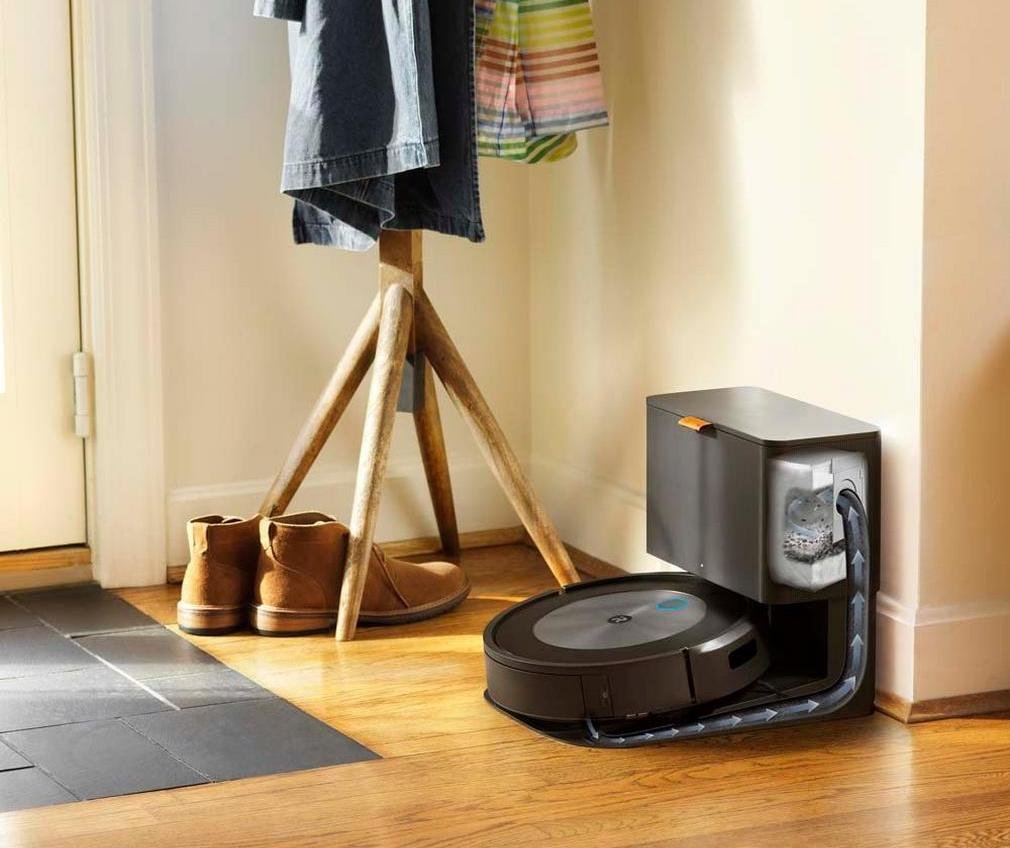
Perhaps the most recognizable name on the list, iRobot, became a victim of its own success. As the creator of the Roomba, the company effectively defined the smart home vacuum category. Yet, as consumer technology advanced rapidly, iRobot found itself struggling to stay relevant against lower-cost competitors.
The attempted acquisition by Amazon was widely seen as a lifeline. When regulatory bodies, including the FTC, intervened to block the deal, it effectively neutralized the company’s path to survival. While some argue that the regulatory block was the “dagger in the heart” of the company, others contend that the need for an acquisition in the first place signaled deeper, pre-existing structural issues within the business.
The Global Trade Reality
A recurring theme in these bankruptcies is the difficulty of maintaining localized supply chains in an era of globalization. Experts suggest that for companies like iRobot, building a competitive product solely within the United States over the last 15 years was likely never a viable option. This reliance on overseas manufacturing, while necessary for scale, ultimately created a vulnerability that domestic competitors and trade-related volatility proved impossible to overcome.
As these companies navigate the bankruptcy process, the broader hardware industry faces a reckoning: the era of scaling hardware on the promise of future acquisition or endless venture capital growth is reaching a definitive, and often painful, end.