
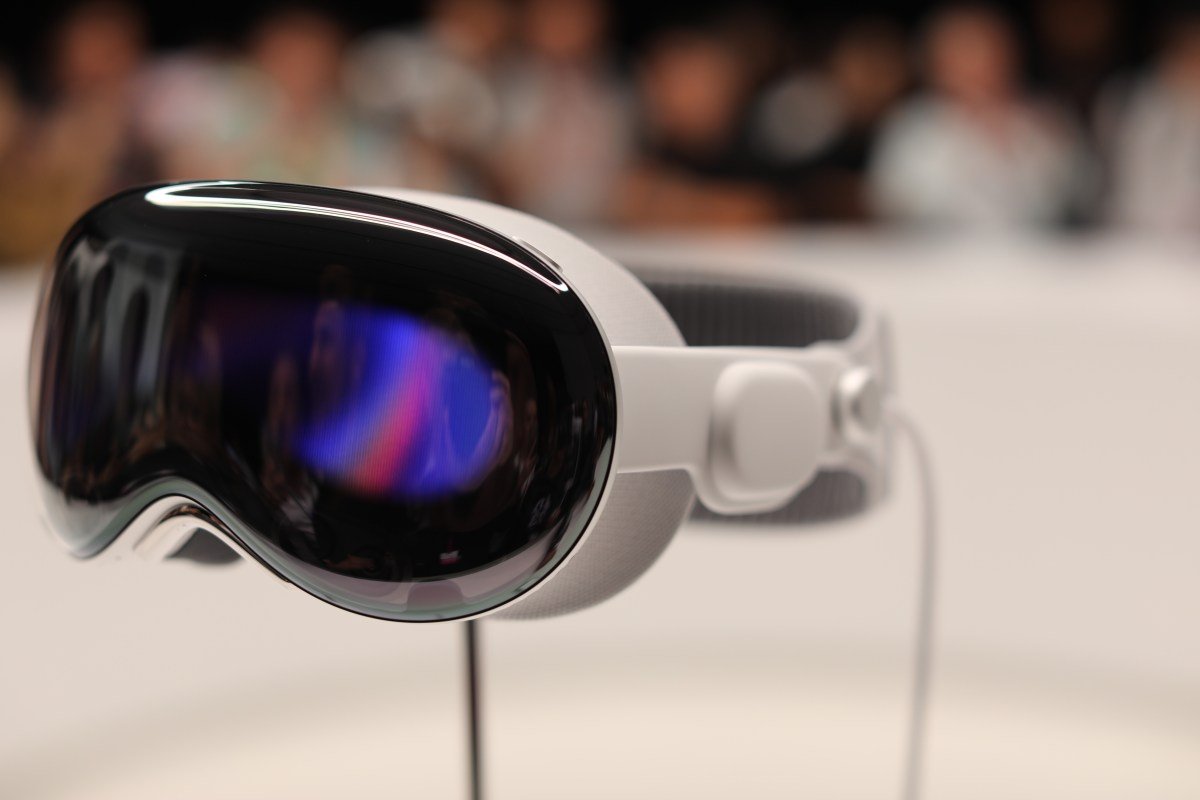
Apple has officially deprioritized plans to overhaul its high-end Vision Pro headset, opting instead to pivot its internal resources toward the development of AI-powered smart glasses. This strategic shift, reported by Bloomberg, signals a major change in the company’s wearable technology roadmap as it seeks to challenge Meta’s dominance in the space.
Shifting Resources to Wearable AI
The company had previously invested significant development time into creating a lighter, more affordable successor to the original Vision Pro. However, Apple is now reallocating engineering talent from that project to focus entirely on smart glasses. The move reflects an urgent industry pivot toward lightweight, AI-integrated eyewear rather than bulky virtual reality hardware.
The Roadmap: N50 and Beyond
Reports indicate that Apple is currently working on at least two distinct models of smart glasses to diversify its wearables portfolio:
- Model N50: This entry-level version is designed to function as an iPhone companion, eschewing an integrated display for a more streamlined form factor. Apple aims to unveil this technology as early as next year, with a full commercial release targeted for 2027.
- Advanced Display Model: A second, more ambitious iteration will feature a built-in display, positioning it as a direct competitor to the Meta Ray-Ban smart glasses. While initial internal timelines suggested a 2028 launch, the company is now actively accelerating development to reduce the gap between itself and its competitors.
Playing Catch-Up in a Competitive Market
Despite Apple’s massive R&D capabilities, it currently trails behind Meta, which successfully entered the smart glasses market in 2021. With Meta continuing to iterate on its Ray-Ban partnership, Apple’s pivot represents a critical attempt to regain ground in the rapidly evolving augmented and artificial intelligence wearable sector.