
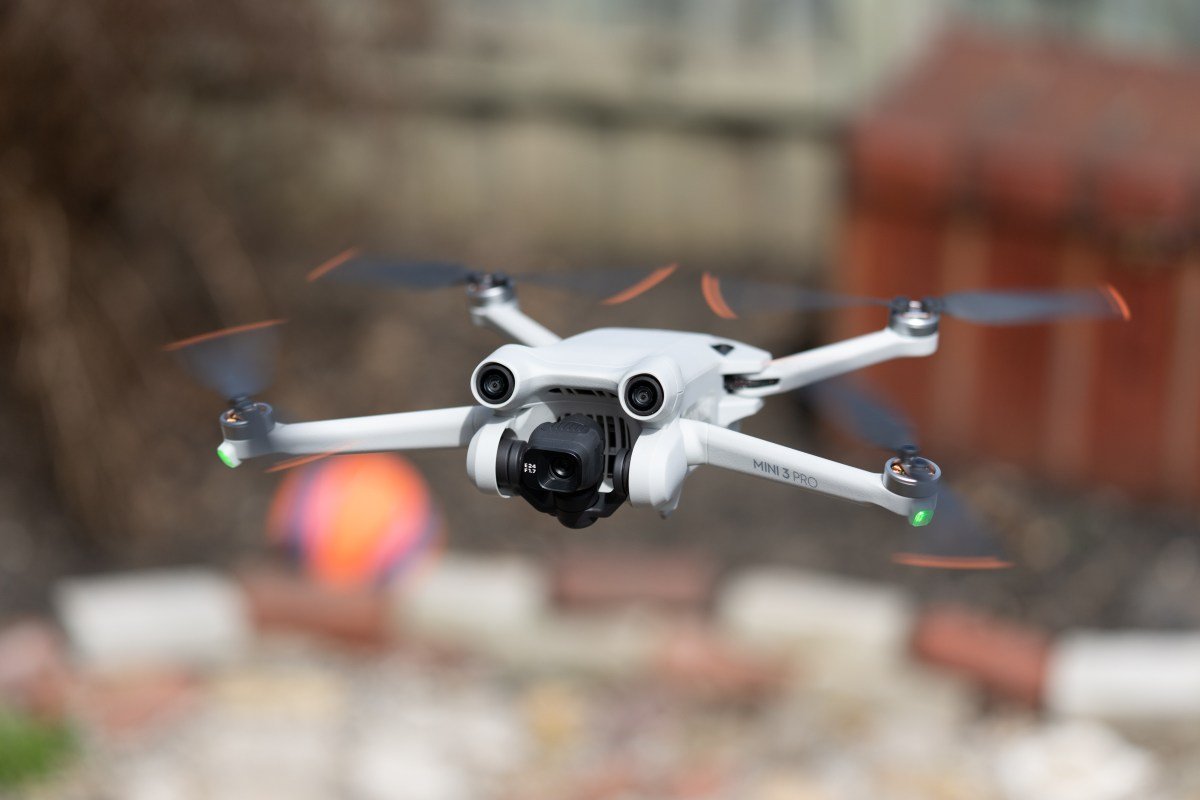
Drone manufacturer DJI has failed in its legal attempt to be removed from the U.S. Department of Defense (DoD) list of Chinese military-linked companies. U.S. District Judge Paul Friedman ruled on Friday that the government provided sufficient evidence to justify the designation, citing the company’s contributions to the Chinese defense industrial base.
Military Application Overrules Corporate Policy
The court’s decision centered on the practical use of DJI technology in global combat zones. Judge Friedman specifically highlighted the widespread use of modified DJI drones in the ongoing conflict between Russia and Ukraine as critical evidence.
“Whether or not DJI’s policies prohibit military use is irrelevant,” Judge Friedman wrote in his ruling. “That does not change the fact that DJI’s technology has both substantial theoretical and actual military application.” While the judge dismissed some of the DoD’s secondary rationales for the listing, he maintained that the primary justification regarding defense base integration remains valid.
The Legal Battle and Future Risks
DJI initially filed the lawsuit last year, arguing that it is neither owned nor controlled by the Chinese military. The company contended that the DoD itself previously acknowledged DJI produces consumer and commercial hardware, not military-grade equipment. Furthermore, the firm claimed the blacklisting caused significant financial and reputational damage, leading to lost business contracts.
In response to the ruling, DJI stated it is currently evaluating its legal options. The company criticized the decision, asserting that the judgment was “based on a single rationale that applies to many companies that have never been listed.”
Escalating Pressure in the U.S. Market
This court defeat is the latest in a series of regulatory challenges for DJI in the United States. The company is already on restrictive lists maintained by the Department of Commerce and the Treasury Department. Most pressingly, DJI faces a potential U.S. sales ban set to take effect in December. Under current legislation, that ban will proceed unless a national security agency formally determines that the company’s drones do not present an unacceptable risk to American national security.