
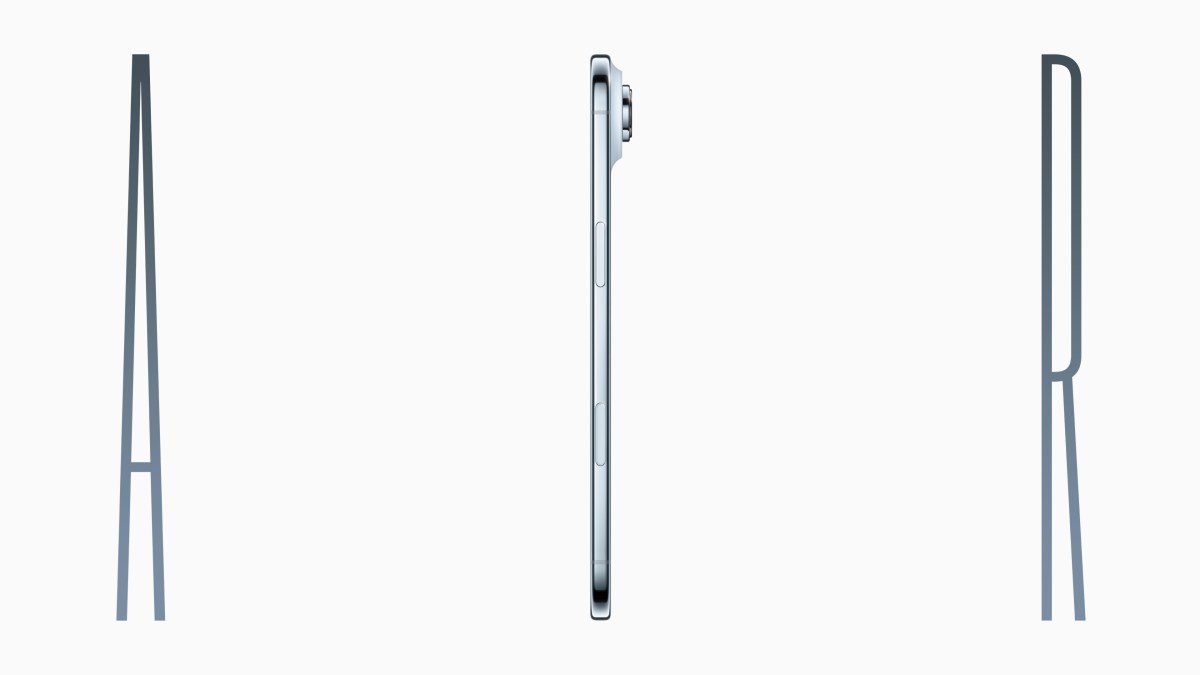
While the rumored Apple iPhone Air promises a sleek, ultra-lightweight design with a larger display, technical analysis suggests that the standard iPhone 17 remains the superior value proposition for the average consumer. Despite the allure of a new form factor, the pricing strategy for the Air creates a significant dilemma for potential buyers.
The Cost of Premium Storage
Apple’s storage strategy for the upcoming Air model is undeniably robust, offering capacity up to 1TB. However, this flexibility comes at a steep financial premium. Configuring the Air with 1TB of storage pushes the price point to $1,400. This places the device in an awkward market position, as it sits only $100 below the $1,500 price tag of the iPhone Pro, which offers a more comprehensive suite of high-end features.
Why the iPhone 17 Holds the Edge
For most users, the decision between the Air and the 17 boils down to utility versus aesthetics. While the Air is positioned as a design-forward device, the iPhone 17 continues to offer a balanced feature set that justifies its cost more effectively. Unless a user is specifically prioritizing the unique dimensions of the Air, the standard model provides a more logical path for those seeking a high-performance daily driver without the “novelty tax.”
The Folding Future
Market speculation suggests that the Air could eventually serve as the foundation for Apple’s highly anticipated foldable device. Should that transformation occur, the value proposition would shift dramatically, potentially warranting the premium investment for the cutting-edge hardware. Until that transition happens, the iPhone 17 remains the most sensible choice for those who prioritize reliability and cost-efficiency over experimental design.