

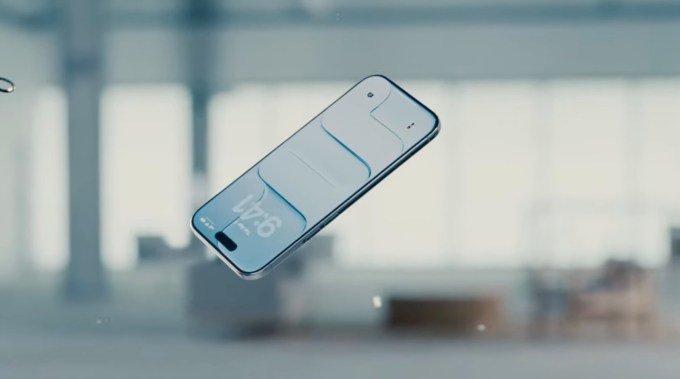
Apple officially unveiled the ultra-thin iPhone Air at its hardware event this Tuesday, introducing a 5.6 mm thick device with a 6.5-inch display. While the design marks a significant aesthetic shift for the lineup, the device functions more as a strategic laboratory for future hardware innovations—including potential foldable technology—rather than a direct replacement for the standard iPhone 17.
Performance Trade-offs vs. Design Ambition
Despite its sleek profile, the iPhone Air currently lags behind the base model iPhone 17 in several critical performance metrics. Users looking for a daily driver may find the limitations difficult to overlook:
- Battery Life: The Air offers up to 27 hours of battery, compared to 30 hours on the iPhone 17.
- Camera Capabilities: It lacks the ultrawide camera and support for macro photography.
- Processing Power: Equipped with the A19 Pro chip, it features a 5-core GPU, falling short of the 6-core GPU found in the Pro models.
- Hardware Constraints: The device includes only a single speaker and relies exclusively on eSIM, removing the traditional SIM slot.
Priced at $999, the Air sits 22% higher than the $799 iPhone 17, placing it in an awkward market position where an extra $100 upgrade yields the more robust iPhone 17 Pro.
Silicon-First Architecture
Apple is positioning the Air as a testbed for internal efficiency. As detailed in the company’s official announcement, the device is built around a proprietary silicon stack, including the A19 Pro, the N1 wireless networking chip, and the C1X cellular modem. The C1X modem is particularly notable, delivering faster connectivity while consuming 30% less power than the hardware found in the 16 Pro.
Because battery technology is evolving at a slower pace than other mobile components, Apple is leaning into software and architecture optimizations to compensate. The company is even encouraging the use of MagSafe battery packs to bridge the gap, suggesting that the Air is intended to operate as a system-integrated device rather than a standalone powerhouse.
The Path to Foldables
The design choices implemented in the Air provide a clear roadmap for Apple’s future product line. The ultra-thin chassis and internal space-saving techniques—such as the horizontal camera housing—are not just design preferences; they are exercises in space management. These innovations are already influencing the broader ecosystem, as seen with the adoption of Ceramic Shield 2 and specific camera layouts in the latest iPhone 17 Pro models.
Industry analysts anticipate that the Air serves as a precursor to more radical form factors. By mastering extreme thinness and power efficiency today, Apple is building the foundational architecture required for a rumored foldable iPhone. Over time, the Air could transition into the standard model, clearing the path for the Pro to remain the premium choice while new, foldable designs enter the market.