
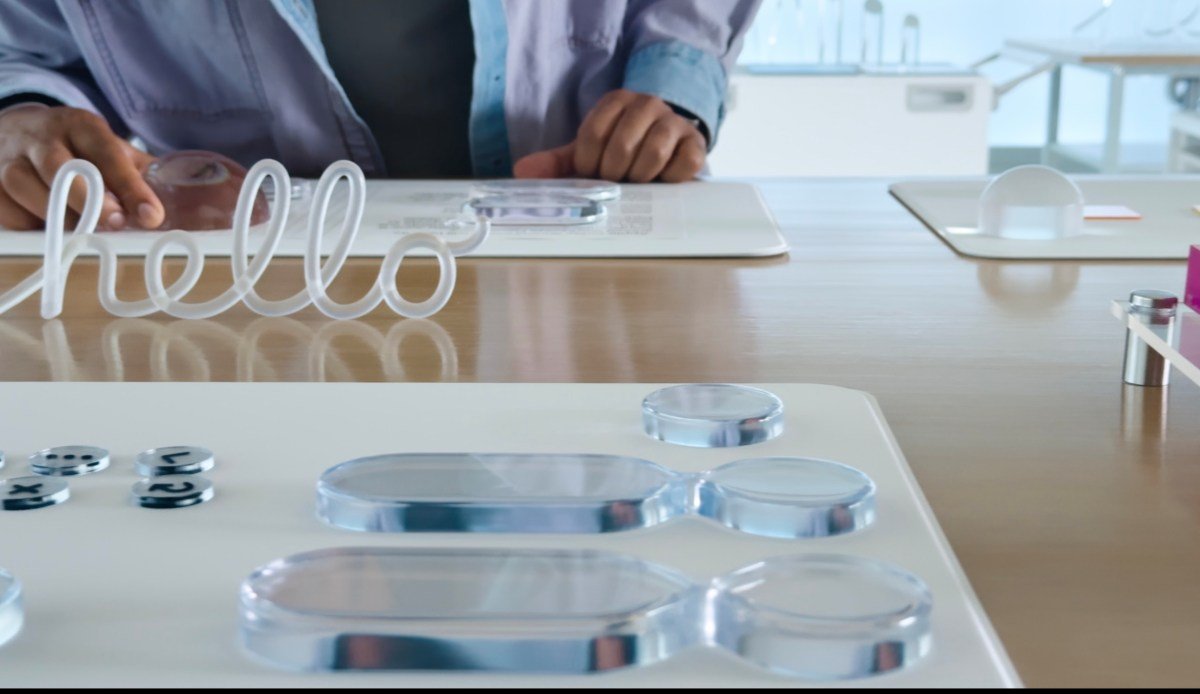
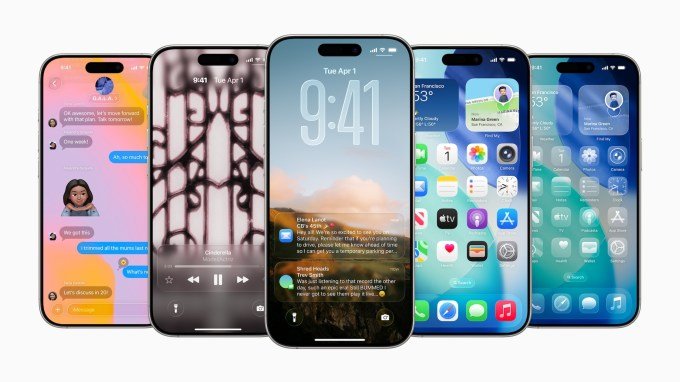
At WWDC 2025, Apple unveiled “Liquid Glass,” the most significant software design overhaul in over a decade. This visual evolution serves as a strategic precursor to the company’s highly anticipated augmented reality (AR) glasses, expected to launch in 2026.
The Vision Pro Blueprint
The core of the Liquid Glass design language draws direct inspiration from the visionOS interface found on the Apple Vision Pro. The concept treats every digital window as a pane of glass—transparent, reflective, and depth-aware. While current developer betas show that Apple is still refining the nuances of opacity and layering, the intent is clear: creating a seamless bridge between digital content and the physical world.
Although the $3,500 Vision Pro struggled to capture mainstream commercial momentum, its UX design remains a masterclass in spatial computing. By overlaying windows onto real-world environments rather than synthetic backgrounds, Apple effectively mitigated the disorientation often associated with prolonged VR use.

Entering the Smart Glasses Arena
To remain competitive against rivals like Meta’s Ray-Bans and Google’s renewed hardware initiatives, Apple must pivot toward lighter, wearable form factors. The company’s defining advantage—its commitment to modern, elegant industrial design—will be critical as it transitions from the bulky headset form factor to standard-looking eyewear.
Reports from Mark Gurman at Bloomberg indicate that the upcoming glasses will integrate cameras, microphones, and speakers. Siri is expected to play a central role, handling live translations, turn-by-turn navigation, and media playback, all while displaying notifications via subtle overlays.
Designing for Transparency
The success of Apple’s AR hardware hinges on its ability to master transparency. For a wearable device, UI elements cannot be intrusive; they must blend naturally into the user’s field of view without obstructing safety or focus. Liquid Glass provides the necessary framework for this, offering a sophisticated, unobtrusive way to present information that feels native to the real world.
While official details regarding the hardware remain under wraps, the introduction of Liquid Glass suggests that Apple is actively preparing its software ecosystem for a future where the screen is no longer held in the hand, but worn on the face.