
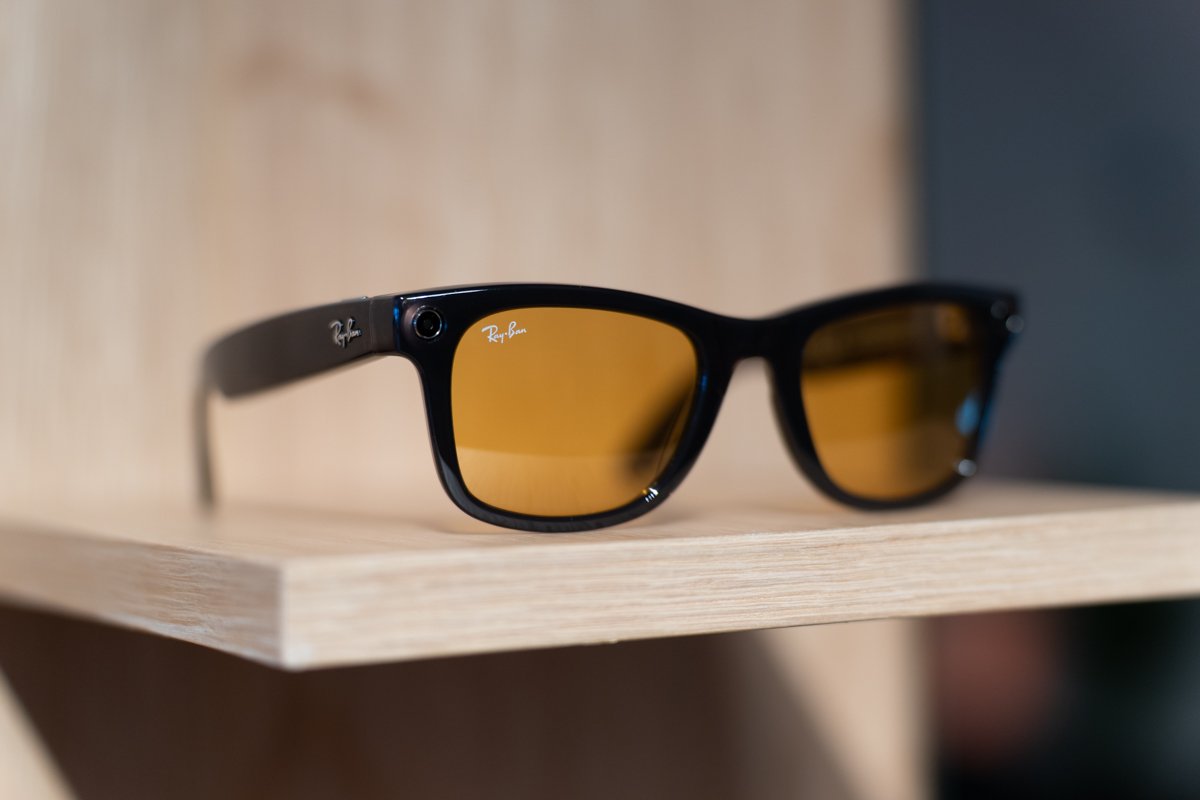
For years, weekend cycling has been my sacred escape—a way to pedal away the stress of the workweek. However, I’ve learned that over-equipping yourself with gadgets often ruins the ride. Instead of enjoying the scenery, you end up managing battery levels and notification pings. Enter the Ray-Ban Meta smart glasses: a device that has genuinely simplified and improved my cycling experience by consolidating sunglasses, headphones, and a camera into one streamlined frame.

The Ray-Ban Meta glasses have become a surprise commercial success, with Meta reporting millions of units sold and sales tripling over the last year. As the trend grows, Meta is reportedly collaborating with Oakley to develop next-generation AI glasses specifically designed for athletes. But how do the current models hold up on the road?
Beyond the Hype: Why They Work for Cyclists
The primary appeal is that these are, first and foremost, high-quality Ray-Ban sunglasses. Whether it’s the Wayfarer style or others, they offer essential protection against sun, dirt, and pollen. More importantly, they feature a discrete camera positioned above the lenses. This allows me to capture photos and videos of my ride with a single tap, eliminating the need to fumble with my phone—a dangerous and cumbersome task while moving.

The open-ear speakers are another standout feature. They deliver surprisingly crisp audio for podcasts and music without isolating me from the ambient sounds of traffic and other cyclists, which is vital for safety. Additionally, I’ve used Meta’s AI assistant to identify local flora and historical landmarks. It satisfies my curiosity without the “rabbit hole” effect of checking my phone for notifications.

The Potholes: Where Design Falls Short
Despite the benefits, the current iteration of the Ray-Ban Meta glasses has clear limitations for serious cyclists:
- Ergonomics: They aren’t built for cycling. On bumpy terrain, they tend to slide down the nose, and the thick frames can obstruct your peripheral vision when you’re in a forward-leaning riding position.
- Software Limitations: Integration with third-party apps is inconsistent. Voice commands for Spotify often fail or play the wrong content, and there is a lack of deep integration with cycling-specific apps like Strava or Garmin.
- Apple Constraints: Due to Apple’s ecosystem restrictions, features like texting and navigation are severely limited compared to what a native Apple wearable might offer.
Meta AI: A Work in Progress
While the AI assistant is a core selling point, it remains inconsistent. During my testing of the “live video AI” feature, the results were often inaccurate. The glasses misidentified cars—labeling a Ford Bronco as a vintage Volkswagen Beetle—and struggled with botanical identification, only correcting itself after I challenged its initial answer.
While competitors like OpenAI and Google are pushing the boundaries of multimodal AI, these experiences currently feel like a “hallucinated mess.” That said, the Ray-Ban Meta glasses remain one of the most compelling AI-integrated devices available today. With a few targeted hardware and software upgrades, they could become the gold standard for tech-savvy cyclists.