

Generative AI is currently dominating tech headlines, but is it ready to revolutionize the film and television industry? Industry experts at the recent SIGGRAPH conference in Denver argue that while immediate impacts may be overstated, the long-term potential for artificial intelligence to reshape visual storytelling is nothing short of radical.
The Myth of the “One-Click” Solution
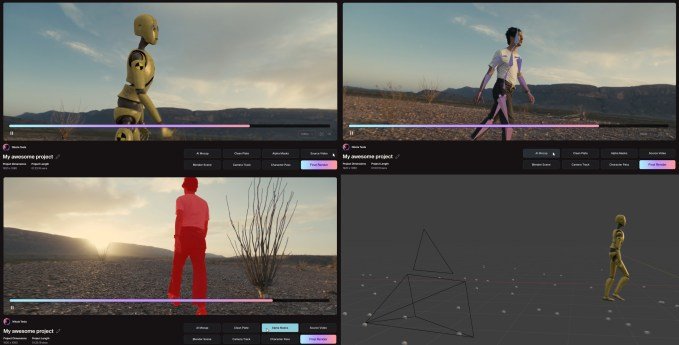
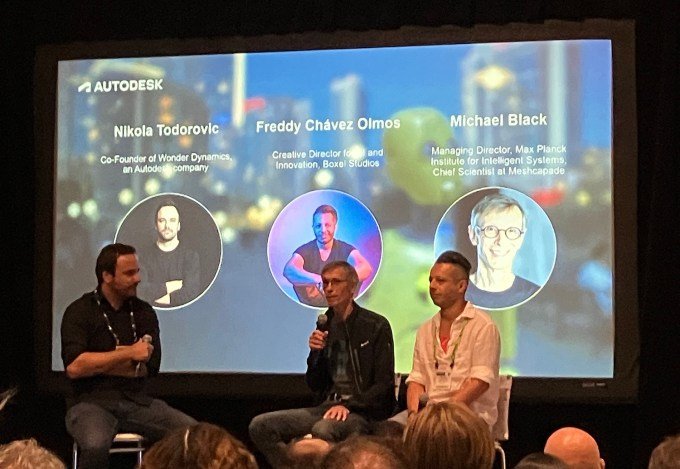
The panel, featuring Nikola Todorovic of Wonder Dynamics, Freddy Chavez Olmos of Boxel Studio, and Michael Black of Meshcapade, collectively dismissed the notion that AI is a magic wand for filmmakers. Todorovic highlighted a critical “misperception” in the industry: the idea that AI serves as a final, one-click VFX solution.
According to Todorovic, the current lack of editability within “black box” AI models makes them impractical for professional workflows. Research companies are still in the early stages of integrating complex 3D and cinematic terminology into their systems, meaning the user experience (UX) is still evolving.
Why Language Fails Visual Creation
Michael Black emphasized that our reliance on text-based prompting is a fundamental bottleneck. He explains that humans lack a “generative model of images” in their minds, making it nearly impossible to describe intricate visual motion through words alone.
While we have a rich vocabulary for static objects, motion is often intuitive and biological. Because we lack a precise linguistic framework for every nuance of movement, text-to-video systems will remain inherently limited in their control compared to traditional animation and filming techniques.
Democratization vs. Quality
There is a consensus that AI is lowering the barrier to entry for creators globally. Freddy Chavez Olmos, reflecting on his career path from Mexico, noted that geographical limitations are fading. “I had to leave Mexico because I had no opportunity there,” he said. “Now, I see that same opportunity opening up for people who don’t need to go overseas.”
However, Michael Black offered a sobering counterpoint: access to powerful tools does not equate to talent. “You can give somebody a powerful car, that doesn’t make them a Formula One driver,” Black noted. While the technology may allow new voices to emerge, the production of high-quality, compelling cinema will likely remain a specialized craft.
The Rise of Interactive Storytelling
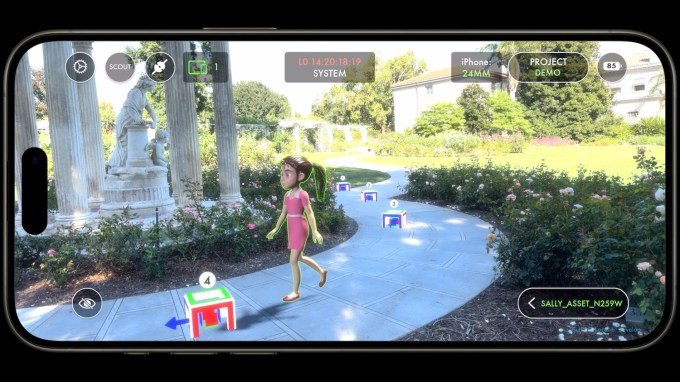
The panel suggested that the true revolution lies not in replacing existing films, but in the birth of an entirely new genre. This future medium will likely sit at the intersection of video games, real-life interaction, and traditional film. By moving away from passive, theater-style consumption toward more active, conversational storytelling, AI could change how audiences engage with narratives.
Before that shift occurs, Chavez Olmos expects a period of adjustment similar to the early days of CG, such as The Polar Express. Audience skepticism will eventually give way to acceptance as “full AI films” begin to hit the market. Ultimately, as Black reminded the audience, the core of cinema remains unchanged: “It’s all about story. It’s all about connecting to the characters. It’s about heart.”