
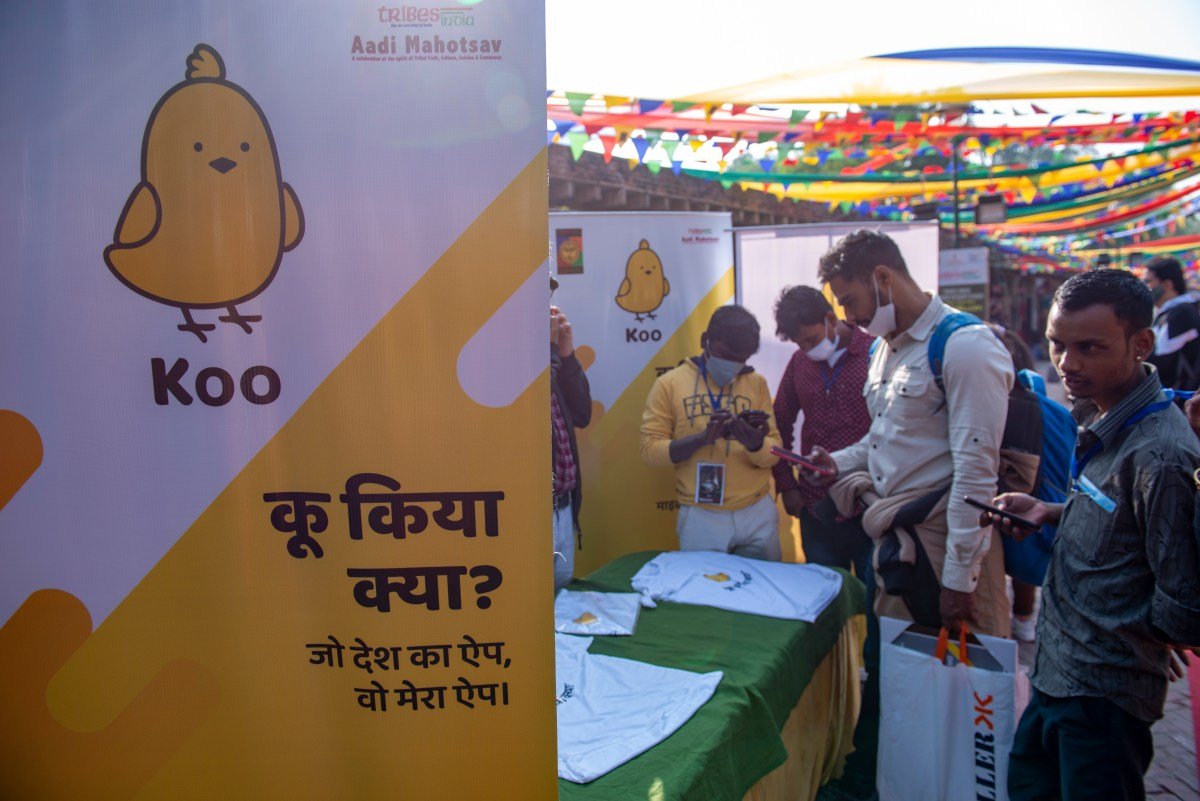
Indian social media platform Koo is officially ceasing operations. The decision follows the collapse of last-ditch acquisition talks with Dailyhunt, marking the end of the startup’s attempt to challenge Elon Musk’s X in the South Asian market.
The Collapse of Acquisition Talks
Koo’s founders, Aprameya Radhakrishna and Mayank Bidawatka, confirmed the shutdown on Wednesday. Despite months of negotiations, a deal with the $5 billion-valued internet media startup Dailyhunt failed to materialize. The founders noted that they engaged with multiple conglomerates and media houses, but potential buyers were deterred by the complexities and volatility inherent in managing user-generated content.
“Most of them didn’t want to deal with user-generated content and the wild nature of a social media company,” the founders stated in a LinkedIn post.
A Challenging Path to Growth
The platform once showed significant promise, securing over $60 million in funding from high-profile investors including Accel and Tiger Global. However, the company struggled to convert initial interest into a sustainable user base or a viable revenue stream over the last two years.
Koo rose to prominence by offering an X-like experience in multiple local Indian languages. Its growth was largely fueled by a period of intense friction between Twitter and the Indian government, particularly after Twitter resisted government requests for content removal.
Strategic Missteps and Market Realities
Koo positioned itself as a compliant, “homegrown” alternative, a strategy that attracted numerous high-profile Indian politicians—though it notably failed to gain traction with the political opposition. The startup even attempted to scale internationally, expanding its app to Brazil, before being overwhelmed by what the founders described as a “prolonged funding winter.”
The End of the “Homegrown” Era?
The failure of Koo highlights a broader trend within the Indian tech ecosystem. For years, domestic entrepreneurs and investors have aggressively pursued local alternatives to global giants like Facebook, Instagram, and X. The closure of Koo reinforces the growing evidence that established American platforms possess a superior capacity to scale and serve the diverse segments of the Indian market, making it increasingly difficult for local startups to compete effectively.