
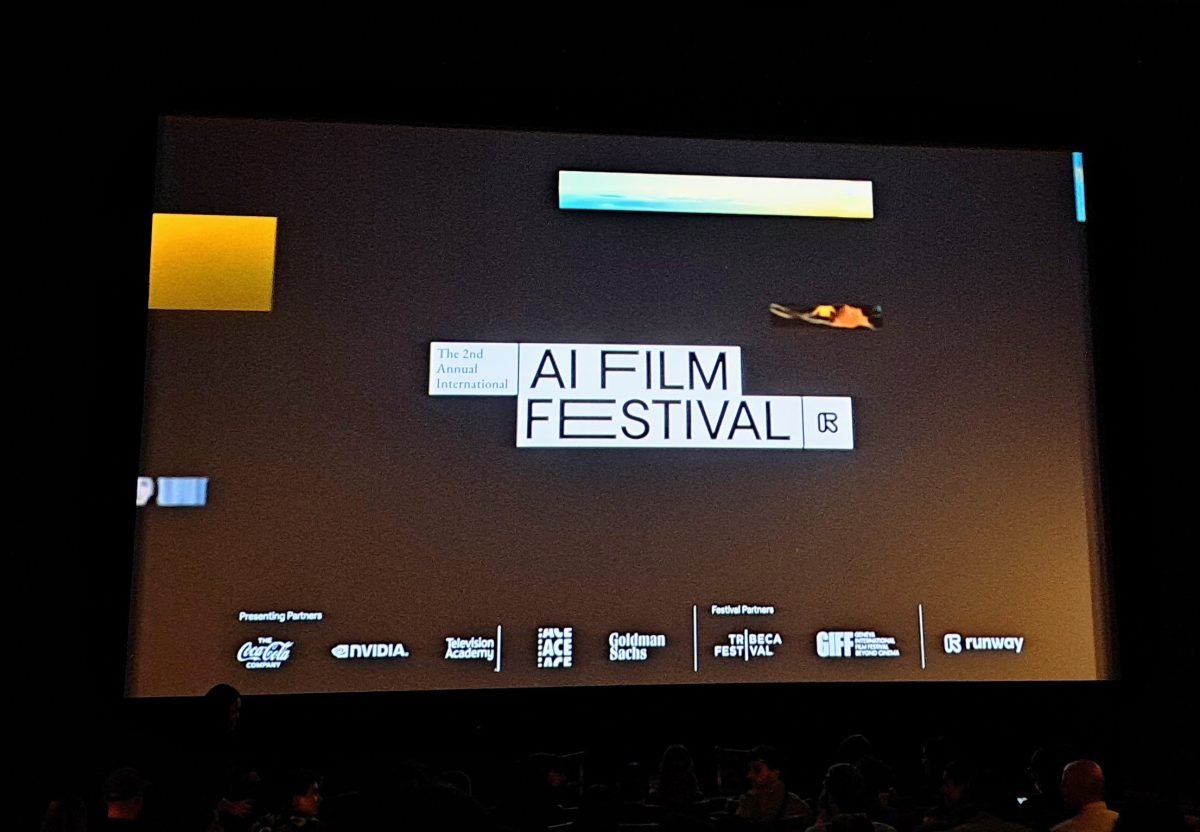
At Runway’s second annual AI Film Festival, held recently in New York and Los Angeles, the core tension of modern cinema was on full display: does generative AI threaten to homogenize artistic expression, or can it serve as a powerful new instrument for human storytellers?
The top 10 finalists, which are now available on-demand, prove that while technology is evolving rapidly, the “human touch” remains the definitive factor in cinematic success. Despite fears that AI might reduce art to a derivative “blob” of averaged data, the festival showcased that human directorial vision is still the heartbeat of effective filmmaking.
The Limits of Generative AI in Storytelling
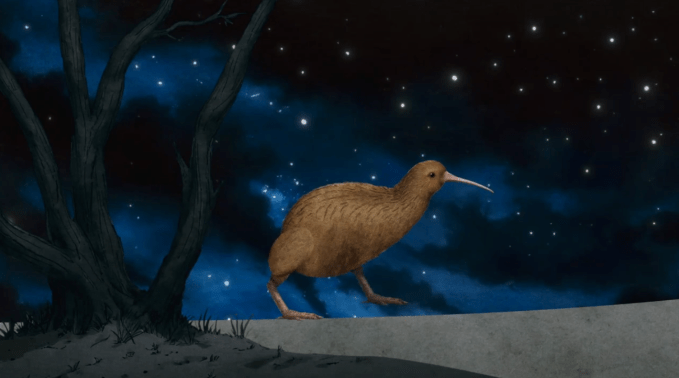
Every submission utilized AI for elements like synthetic voice-overs, animations, and backdrops. However, the seams were often visible. Even with compelling scripts, the limitations of current generative models—such as the “uncanny valley” physics in video or the inability to maintain consistent visual elements across shots—frequently disrupted the immersion.
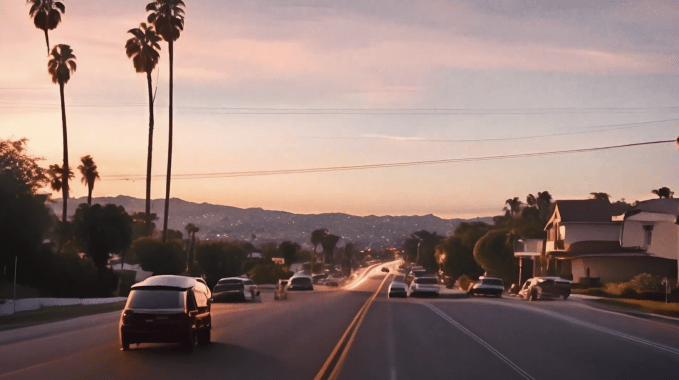
For example, in “Dear Mom” by Johans Saldana Guadalupe and Katie Luo, a deeply emotional narrative was occasionally undercut by the telltale visual artifacts of AI, such as warped vehicles on a highway. These technical hiccups highlight the ongoing struggle to achieve the control that traditional filmmaking offers.
When Human Emotion Trumps Algorithms
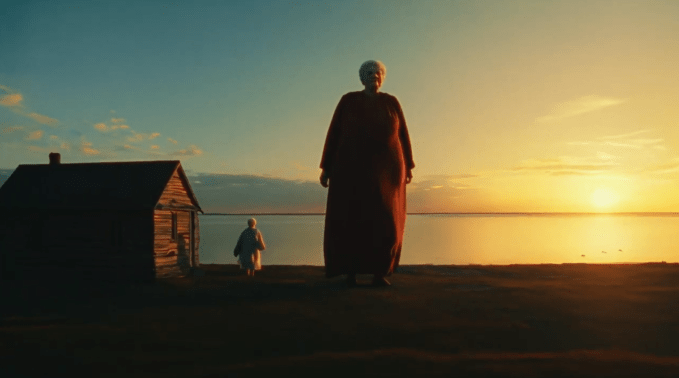
Some films suffered from a disjointed structure, appearing more like a collection of AI-generated vignettes rather than a cohesive narrative. Works like “L’éveil à la création” by Carlo De Togni and Elena Sparacino struggled with this, feeling more akin to an interactive storybook. Conversely, Léo Cannone’s “Where Do Grandmas Go When They Get Lost?” succeeded brilliantly, not because of the AI, but because of a poignant script and a standout performance from its child lead.
The Future of Cinematography
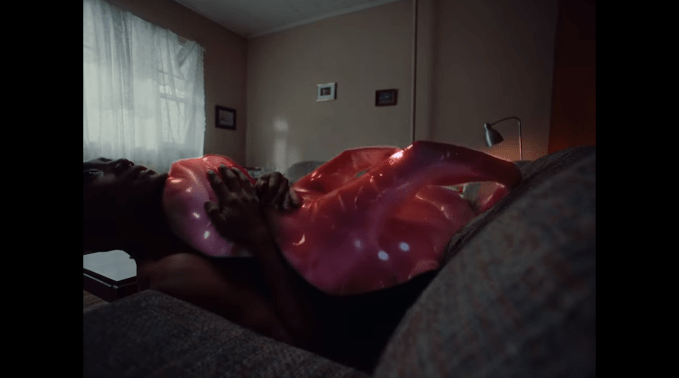
The festival’s Grand Prix winner, “Get Me Out” by Daniel Antebi, further cemented the importance of human intent. While the film used AI to visualize the psychological struggle of its protagonist, the most haunting and effective moments were the traditional cinematic shots—such as the deliberate, manual capture of streetlights flickering on a bridge.
Generative AI may eventually reach a point where it can replicate the nuances of cinematography, but for now, it remains a tool subordinate to the artist. As the event concluded, the reliance on a human cameraman to document the award ceremony served as a final reminder: audiences crave the authentic, unprompted humanity that algorithms have yet to master.