

Google has officially introduced “Pause Point,” a native feature integrated into the Android 17 update, designed to combat the addictive nature of “doomscrolling.” By enforcing a mandatory 10-second delay before opening designated distracting apps, the tool aims to disrupt the autopilot behavior that leads to excessive screen time.
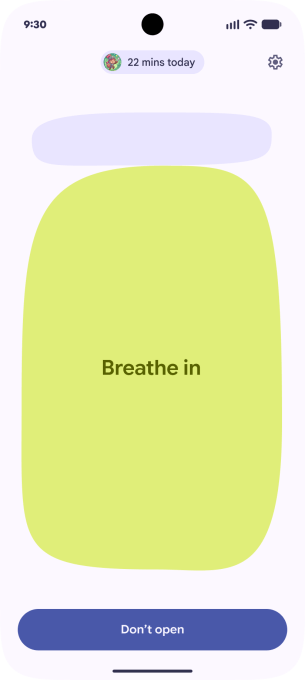
Breaking the Loop of Digital Distraction
The feature allows users to manually tag specific applications—such as TikTok, Instagram, X, or YouTube—as “distracting.” Once enabled, attempting to open these apps triggers a forced 10-second pause. During this interval, the system encourages users to engage in mindful activities, such as breathing exercises, or suggests more productive alternatives like fitness trackers, audiobooks, or e-reader apps.
Dieter Bohn, director of product operations for Google’s Platforms & Ecosystems, highlighted the necessity of this intervention during a press briefing. “We are all guilty of going into our phone and then opening some app and getting stuck on autopilot,” Bohn noted, explaining that the feature is designed to provide tools for users to disconnect when needed.
Regulatory Pressure and User Well-being
This move comes as Google faces mounting regulatory scrutiny regarding the societal impact of social media algorithms. With various U.S. states and international bodies implementing stricter laws to protect minors from social media harms, Pause Point serves as a proactive measure for Google to position itself as a proponent of digital health.
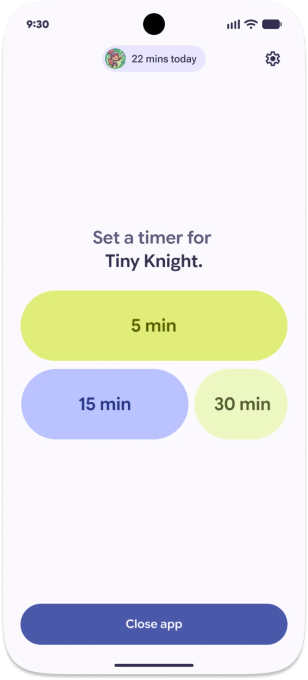
Why Pause Point Differs from Standard Timers
Unlike traditional app timers that merely issue notifications, Pause Point is engineered to be more restrictive. To disable the feature, users must perform a full system restart, creating a significant psychological hurdle that discourages impulsive usage.
Additionally, the feature offers deep integration with the user’s ecosystem. It allows for the integration of personal photo galleries to provide non-digital inspiration, such as images of pets or outdoor activities, to nudge users toward healthier habits. By offering intentional timer settings that can be customized before entering an app, Google aims to provide a more flexible and effective alternative to the one-size-fits-all timers currently found in the app market.
While third-party self-care apps like Finch have gained popularity for their gamified approach to mental health, Pause Point’s primary advantage lies in its native implementation, ensuring it is accessible to all Android users without the need for additional software.