
A New Standard for Mobile Dictation
Hardware manufacturer Nothing officially entered the competitive AI dictation market this Thursday with the launch of Essential Voice. Designed to streamline mobile communication, the tool aims to replace slow manual typing with high-speed, intelligent speech-to-text processing.
How Essential Voice Works
Essential Voice functions as a system-wide integration, allowing users to convert spoken words into polished text within any application. The software automatically cleans up transcripts by stripping out filler words like “um” and “ah.” Furthermore, it introduces a custom shortcut system, enabling users to trigger complex phrases, links, or templates—such as a full physical address—using short voice commands.
The average person types 36 words a minute on a phone.
But, they can say it four times faster.
Essential Voice turns your speech into clear, ready-to-use writing. pic.twitter.com/l08bnS8sNF
— Essential (@essential) April 23, 2026
Device Availability and Rollout
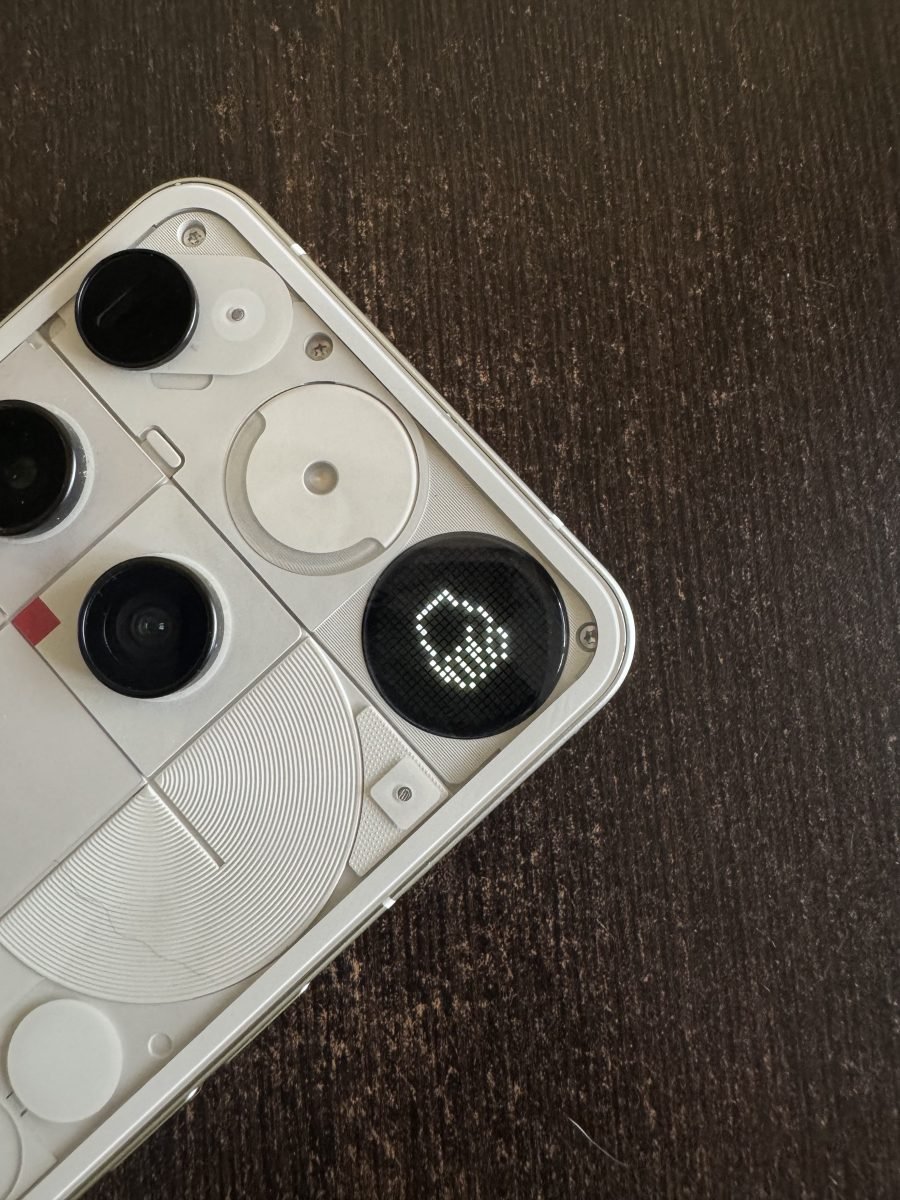
The feature is currently available exclusively on the Phone (3). Nothing has confirmed an aggressive expansion schedule: the Phone (4a) Pro is slated to receive the update later this month, followed by the Phone (4a) next month. Users can trigger the tool either through a dedicated “Essential” hardware key or directly via the keyboard interface, mirroring the functionality recently introduced by Superwhisper for iPhone users.
Advanced Translation and Future Customization
Beyond simple transcription, Essential Voice supports real-time translation across more than 100 languages. Nothing also announced plans to roll out “app-based custom styling.” This upcoming feature will allow users to adjust the AI’s tone and editing style based on the context of the application being used, such as distinguishing between professional work environments and casual messaging platforms.
The Growing AI Dictation Landscape
While tools like Wispr Flow, Superwhisper, Willow, and Monologue have populated the market, Nothing is positioning itself as a leader by offering deep system-level integration. As competitors like Google continue to advance their own offline dictation capabilities, the race to dominate mobile voice input is rapidly intensifying.