
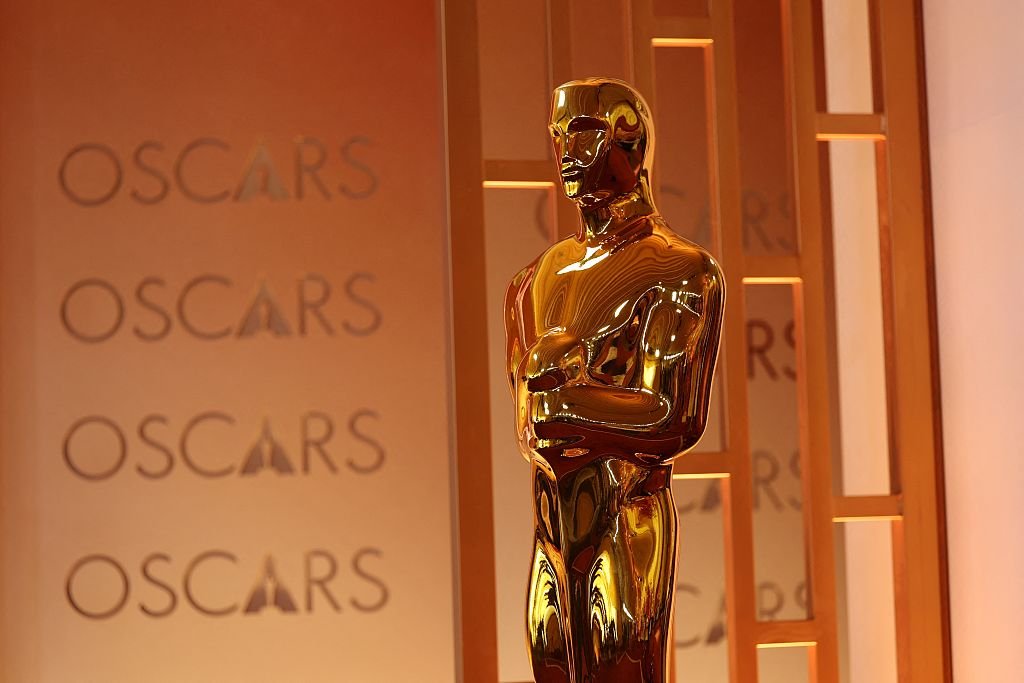
The Academy of Motion Picture Arts and Sciences officially updated its eligibility criteria for the 99th Oscars, implementing a strict policy that disqualifies AI-generated performances and screenplays from contention. This move mandates that all recognized work must be demonstrably human-authored and performed to qualify for cinema’s highest honor.
Human Authenticity as a Requirement
Under the newly approved regulations, acting nominations are strictly reserved for performances that are credited in a film’s legal billing and executed by humans with explicit consent. Furthermore, the Academy has codified that screenplays must be “human-authored” to be considered for writing categories.
To enforce these standards, the organization retains the authority to demand detailed documentation regarding a production’s AI usage and proof of human involvement throughout the creative process.
The Context of AI in Hollywood
The Academy’s decision arrives at a pivotal moment for the film industry, which has been grappling with the rapid proliferation of synthetic media. Concerns regarding the displacement of human talent were central to the 2023 actors’ and writers’ strikes, which sought to establish protections against unauthorized AI replication.
Recent developments have intensified these debates, including the production of an independent film featuring an AI-generated version of Val Kilmer and the emergence of digital “actresses” like Tilly Norwood. These technological leaps have triggered widespread anxiety among filmmakers regarding the future of creative labor.
A Broader Industry Trend
The Academy is not alone in setting these boundaries. Across the creative arts, institutions are pushing back against the automation of authorship. Outside of Hollywood, publishers have begun pulling novels from distribution due to undisclosed AI involvement, while various professional writers’ groups have adopted formal stances declaring AI-generated content ineligible for literary awards. These collective actions signal a growing industry-wide consensus to prioritize human ingenuity over synthetic production.