
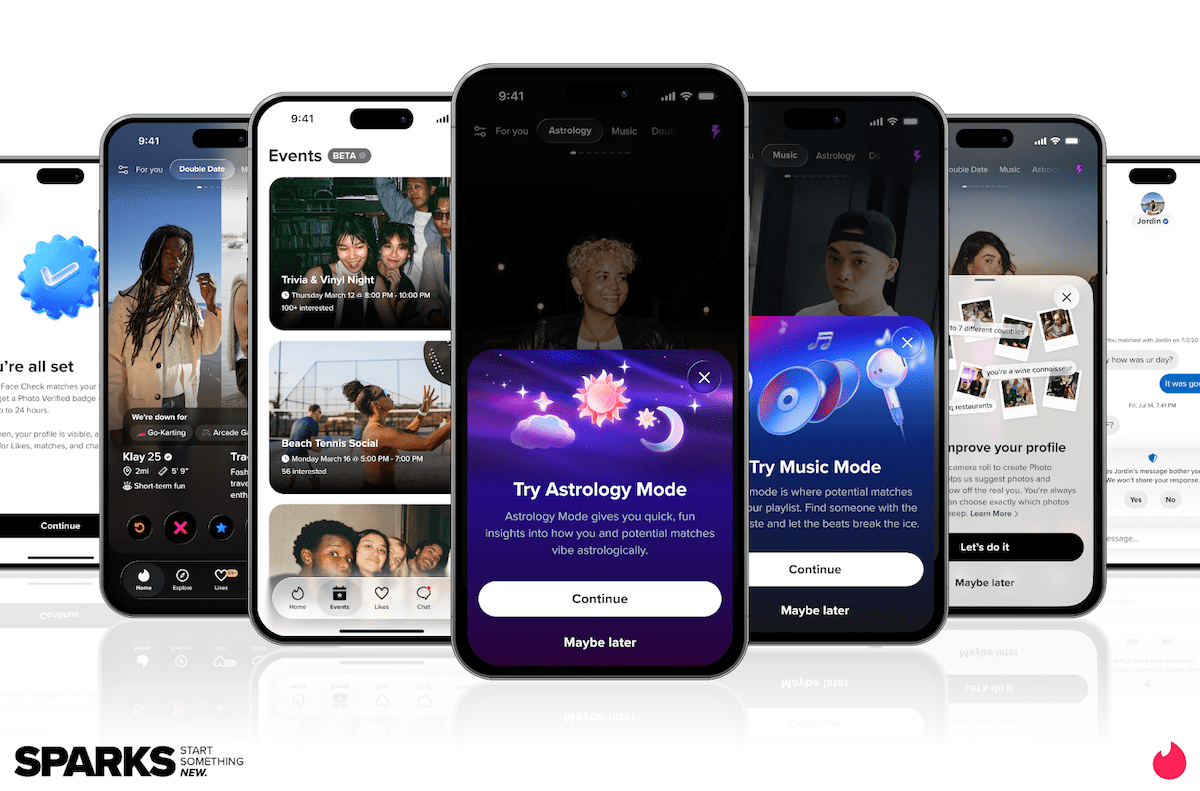
Tinder officially unveiled a major product overhaul this Thursday, launching a suite of features focused on real-world connections, AI-driven personalization, and enhanced user safety. Backed by a $60 million investment from parent company Match Group, these updates aim to reverse a trend of declining subscriber counts and re-engage a younger generation shifting away from traditional swiping.
Bringing Digital Dating into the Real World
Recognizing Gen Z’s preference for authentic, offline experiences, Tinder is introducing an “Events” tab. Currently in beta for users in Los Angeles, this feature curates local activities—such as pottery classes, raves, and bowling—to facilitate face-to-face meetings.
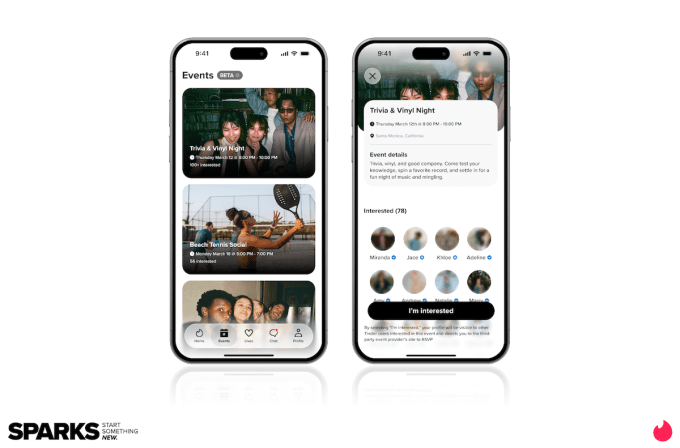
This initiative directly challenges the “swiping fatigue” narrative, positioning the app as a social hub rather than just a dating tool. To bridge the gap between online and offline, the app will display profiles of event attendees after the gathering, creating a modern twist on “Missed Connections” for those who missed an opportunity to introduce themselves in person.
Virtual Speed Dating and AI Integration
Tinder is also piloting a video speed dating feature in Los Angeles, allowing users to engage in three-minute “vibe checks” to gauge chemistry before committing to a physical date. To bolster the matching process, the company is doubling down on Artificial Intelligence.
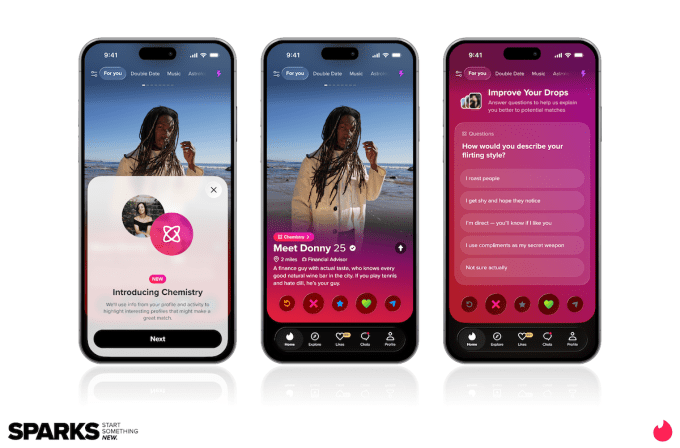
The new “Chemistry” feature analyzes user inputs and camera rolls—with explicit permission—to curate more accurate daily matches. Complementing this is “Learning Mode,” which uses machine learning to understand user preferences from the very first session, eliminating the need for prolonged manual fine-tuning of filters.
Prioritizing Safety and Aesthetic Evolution
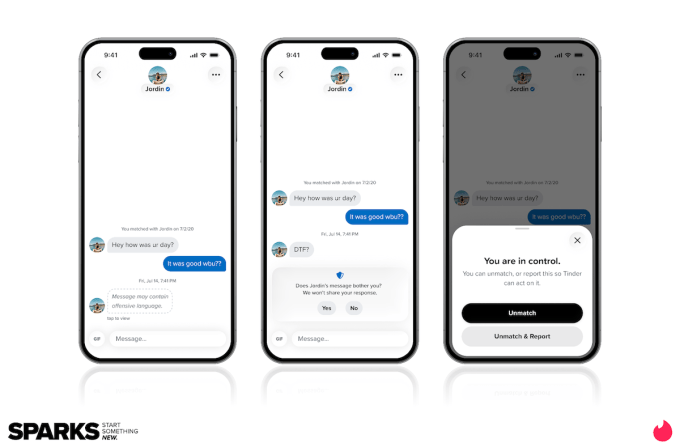
Safety remains a focal point of the update. Tinder is upgrading its “Does This Bother You?” tool with advanced large language models to better detect and obscure disrespectful or harmful messages in real-time.
Beyond functionality, the app is receiving a “Liquid Glass” design refresh. New interactive modes, including “Music Mode” and “Astrology Mode,” are also set to roll out, allowing users to showcase their Spotify playlists and birth charts to improve compatibility matching.
Market Pressure and Future Outlook
These strategic moves come as Match Group faces consecutive quarters of declining paying subscribers, despite reporting $878 million in revenue for Q4 2025. By moving beyond the swipe, Tinder is attempting to adapt to a landscape where competitors like Breeze and Thursday are gaining traction by prioritizing organic, in-person encounters.