
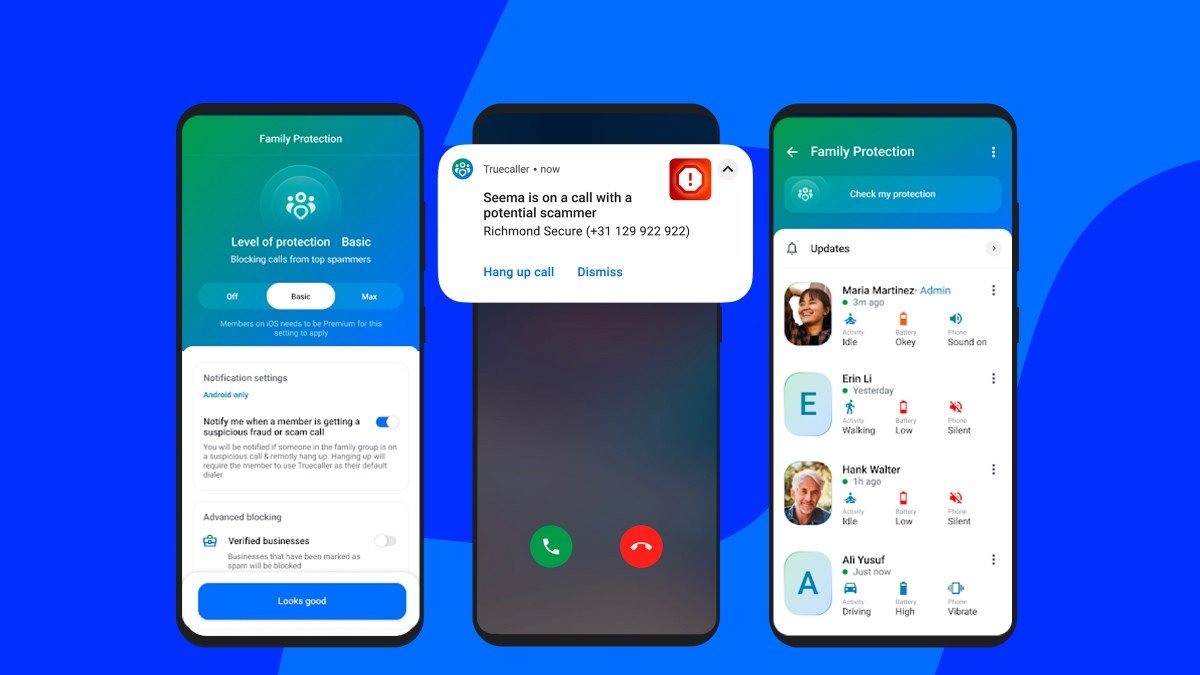
Truecaller has officially expanded its “Family Protection” feature globally, allowing users to safeguard their loved ones from fraudulent calls. By designating a “family admin,” the platform now enables users to receive real-time alerts about suspicious activity on a family member’s device and, in specific cases, remotely terminate calls to prevent scams.
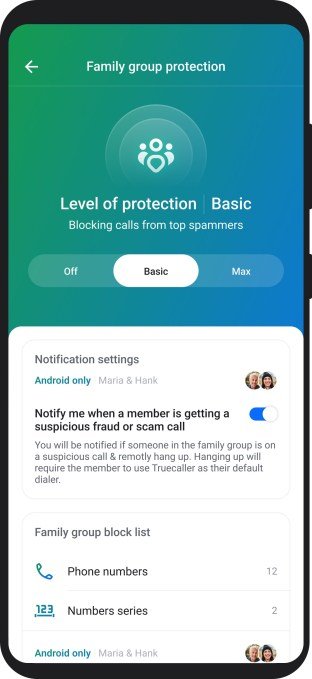
How the Family Protection Feature Works
The feature supports groups of up to five members and is available at no additional cost, regardless of subscription status. Once a group is established, the admin receives notifications when any member receives a call flagged as fraud. For Android users, the admin gains the ability to end these malicious calls remotely, providing an extra layer of security for vulnerable individuals.
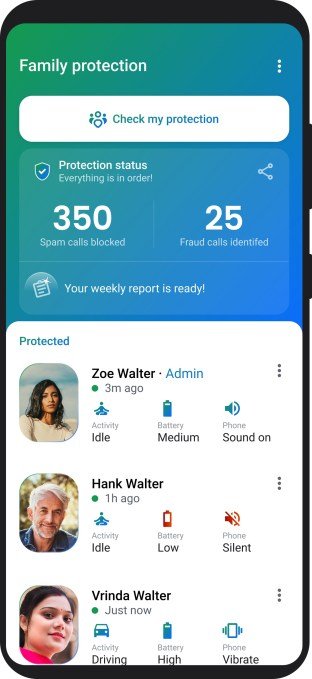
Beyond call blocking, Android users can grant their admin permission to monitor real-time data, including:
- Physical activity status (walking or driving).
- Battery levels.
- Phone sound settings (e.g., checking if the device is on silent).
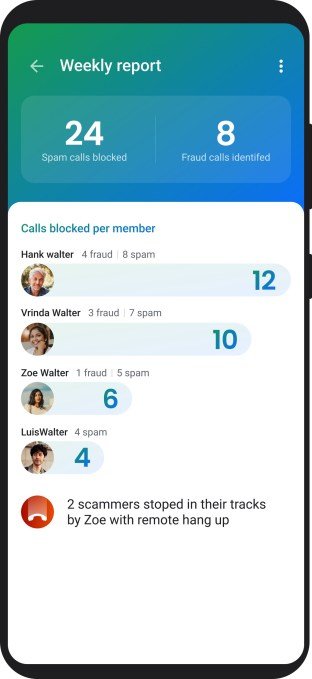
Strategic Shift Toward AI-Powered Security
Kunal Dua, Chief Product Officer at Truecaller, described the move as a fundamental shift in the company’s focus. The platform is currently exploring advanced AI integration to automatically screen and disconnect calls containing specific scam-related keywords, such as “digital arrest”—a common tactic used by criminals impersonating law enforcement.
This initiative follows the successful launch of an AI-powered voicemail assistant in India, which transcribes and summarizes calls when users are unavailable.
Market Context and Operational Challenges
The global rollout comes at a critical time for Truecaller, particularly in India, where the company identified over 7.7 billion fraud calls in the past year alone. However, the company faces significant headwinds, including an 80% decline in stock value over the last 12 months and a 49% year-on-year drop in EBITDA reported in Q4 2025.
Adding to the competitive pressure is the Indian government’s Caller Name Presentation (CNAP) system. Despite these challenges, CEO Rishit Jhunjhunwala remains optimistic, arguing that CNAP provides only basic identification, whereas Truecaller offers deeper, community-driven context that remains highly valuable to consumers.
“We expect that CNAP might have some impact on user growth, but our focus continues to be on delivering a superior product,” Jhunjhunwala stated during the company’s recent earnings call.