
Facing intense pressure over the surge of “AI slop” and unauthorized accounts, Meta announced on Friday a strategic initiative to bolster content protection on Facebook. The company is rolling out enhanced reporting tools and stricter guidelines to combat impersonation and prioritize authentic content from creators.
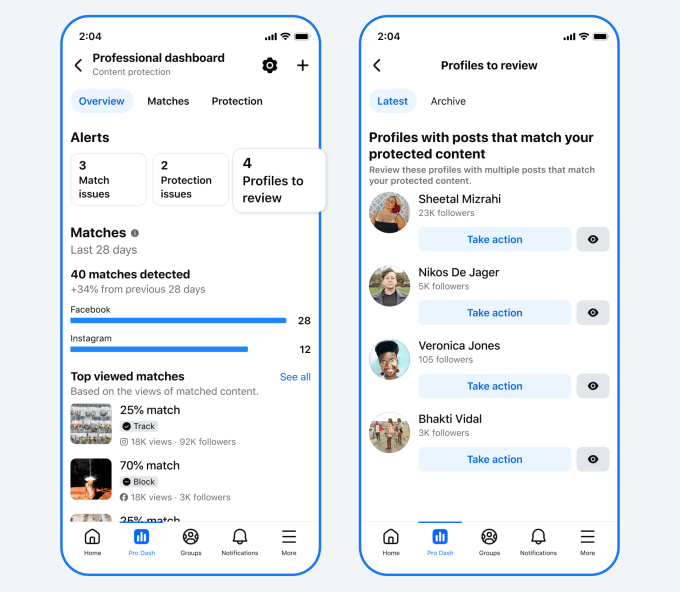
Streamlining Creator Protection
The core of this update involves a centralized dashboard designed to simplify how creators flag unauthorized use of their work. Currently, Meta’s content protection tools assist in identifying duplicate reels posted by impersonators. By consolidating the reporting process, Meta aims to reduce the time and friction creators face when defending their digital footprint.
However, the scope of these tools remains limited. While effective at identifying duplicated video files, the system does not yet specifically address the unauthorized use of a creator’s physical likeness—a growing concern in the era of sophisticated deepfakes.
Defining “Originality” in the Age of AI
To discourage low-quality reposts, Meta is tightening its content guidelines. The platform now provides a clearer definition of “original content,” specifically targeting and deprioritizing material that offers little to no added value. Under the new standards:
- Qualified Original Content: Material filmed or produced directly by the creator, as well as remixes or reels that incorporate significant commentary, analysis, or new information.
- Unoriginal Content: Re-uploads, minor edits, or content that merely adds basic overlays like borders or captions. These will be deprioritized by the platform’s algorithm.
The Ongoing Battle Against Spam
This move follows a broader crackdown initiated last year. According to Meta, these efforts are yielding tangible results: the company reported that viewership and time spent on original content roughly doubled in the second half of 2025 compared to the previous year.
Furthermore, Meta claims to have removed 20 million accounts last year, resulting in a 33% decline in impersonation reports filed by major creators. These metrics are vital for Meta, as the platform’s viability as a monetization hub depends on protecting original voices from being drowned out by automated, low-effort content.
Industry-Wide Response
Meta is not operating in a vacuum. As social platforms grapple with the rapid spread of AI-generated misinformation, competitors are taking similar steps. YouTube recently announced an expansion of its own deepfake detection capabilities, specifically targeting content featuring public figures, journalists, and politicians, signaling a wider industry shift toward stricter content integrity protocols.