

Google Chrome is aggressively upgrading its feature set to maintain its dominance as the world’s most popular web browser. Facing mounting pressure from AI-driven startups and competitors like OpenAI and Perplexity, Google announced a trio of new productivity tools on Thursday designed to streamline daily workflows.
New Features: Split View and PDF Management
The latest update introduces three core functionalities: Split View, PDF annotations, and direct integration with Google Drive. While these features are not explicitly AI-powered, they represent a strategic push to keep users within the Google ecosystem, countering the “browser wars” currently being fought by developers of agentic browsers.
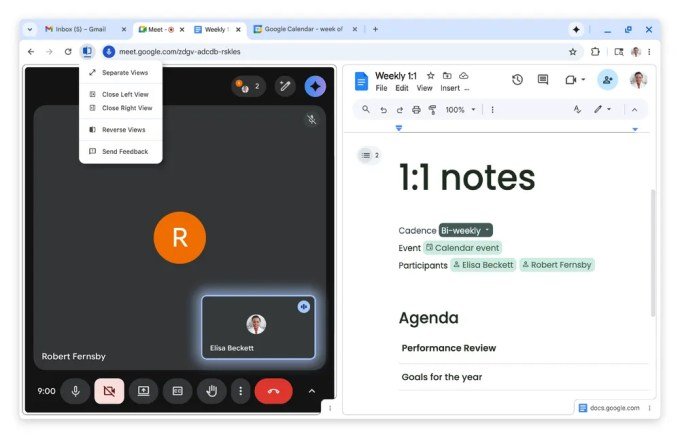
The new Split View capability allows for easier multitasking by placing two web pages side-by-side within a single tab. Users can activate this by dragging a tab to the edge of the window or using the right-click menu to “Open Link in Split View.” This is particularly useful for users who need to reference documents while taking notes or watching video content.
Enhanced PDF Workflow
Google is also tackling the frustration of external document management with native PDF annotations. Users can now highlight text and add notes directly within the Chrome browser. This eliminates the need to download files and open them in third-party applications to sign forms or mark up personal documents.
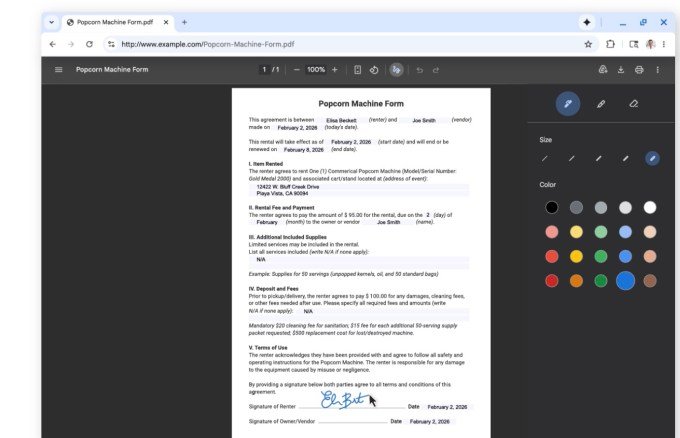
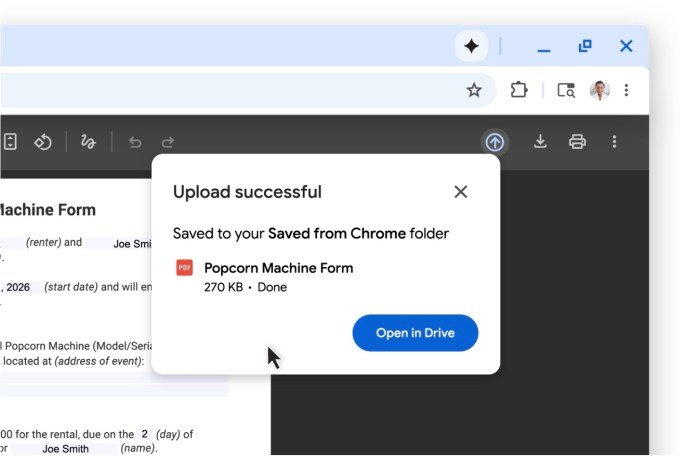
Complementing this is the new Save to Google Drive feature. Instead of saving PDFs to a local machine where they can be easily misplaced, users can now save files directly to a designated “Saved from Chrome” folder in their Drive account, ensuring seamless cloud access.
The Future of Chrome: Vertical Tabs
These updates follow the recent integration of Gemini AI features for Chromebooks. Google is also signaling a shift toward adopting popular interface designs pioneered by competitors. Notably, Chrome is preparing to roll out support for vertical tabs—a feature popularized by browsers like Arc and Dia. Tech-savvy users can currently test this experimental layout by adjusting browser flags.
By rapidly iterating on these consumer-facing features, Google aims to reduce the incentive for users to migrate to alternative, specialized browsers, effectively fighting back against the surge of AI-focused competition.