
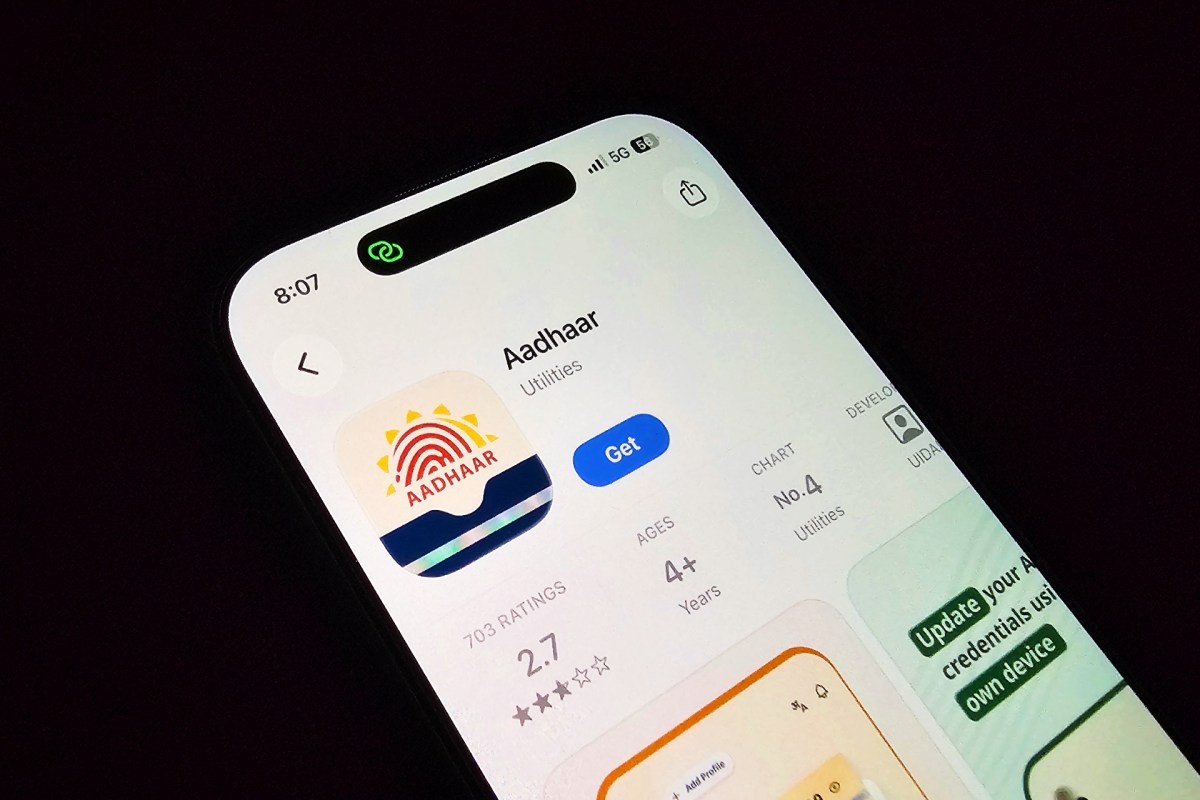
India is aggressively embedding Aadhaar—the world’s largest digital identity system—into daily life through a newly launched mobile application and an offline verification framework. Introduced by the Unique Identification Authority of India (UIDAI) in late January, the initiative aims to shift identity checks away from central database queries toward a consent-based, localized model.
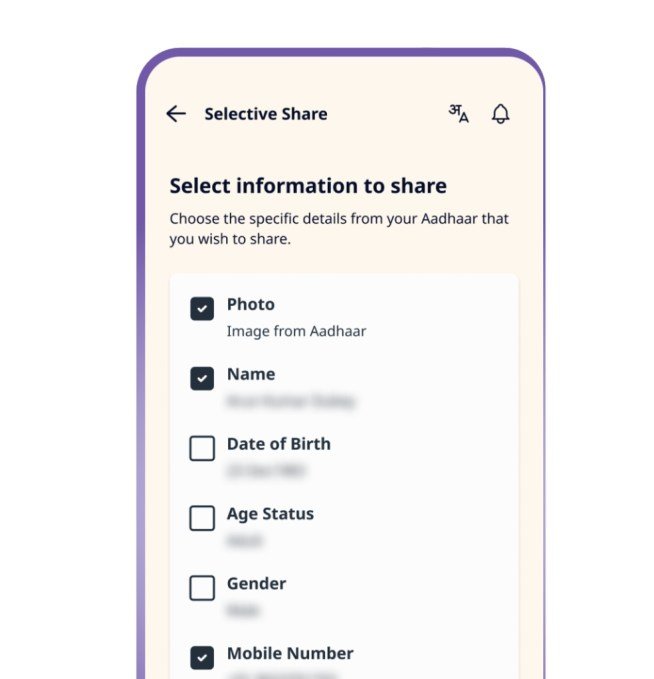
The new app allows citizens to share selective data, such as age verification, without disclosing their full date of birth. This functionality is being integrated into various sectors, including hospitality, housing, and payment platforms, while the existing mAadhaar app remains operational.
Broadening the Digital Footprint
UIDAI is rapidly expanding Aadhaar’s reach beyond government portals. The authority is currently pursuing integrations with major mobile wallets, including Google Wallet, while discussions regarding Apple Wallet support are underway to complement existing Samsung Wallet functionality.
The system is also entering the law enforcement and hospitality sectors. In Ahmedabad, the City Crime Branch has integrated offline Aadhaar verification with the PATHIK guest-monitoring platform. Furthermore, officials are promoting the app as a “digital visiting card” for networking, utilizing QR codes to facilitate information sharing.
Massive Scale and Rapid Adoption
The new application has seen explosive growth. Since its soft launch in late 2025, it has surpassed the legacy mAadhaar app in monthly downloads. Combined installs for Aadhaar-related applications surged from 2 million in October to nearly 9 million by December.
This expansion rests on an infrastructure that already manages over 1.4 billion identity numbers and processes approximately 2.5 billion authentication transactions every month. Government officials argue that this offline shift mitigates the risks associated with insecure physical photocopies of identity documents, which have historically been susceptible to misuse.
Critical Concerns Over Privacy and Surveillance
Despite government assurances, digital rights groups warn that these changes introduce significant structural risks. Raman Jit Singh Chima, Asia Pacific policy director at Access Now, criticized the timing of the rollout, noting that it precedes the full implementation of India’s Data Protection Board.
“The expansion seems to indicate a preference to continue scaling Aadhaar, even as the risks to the system and the data of Indian citizens remain unclear,” Chima stated.
Legal advocates, including Prasanth Sugathan of SFLC.in, emphasize that the app fails to address systemic flaws such as database inaccuracies and the lack of robust redress mechanisms. Sugathan also referenced a 2022 Comptroller and Auditor General report that highlighted UIDAI’s failure to meet specific compliance standards, noting that such lapses often lead to the disenfranchisement of vulnerable populations.
The “Aadhaar Creep” Debate
Campaigners from the group Rethink Aadhaar argue that the new offline verification framework facilitates “Aadhaar creep,” effectively normalizing the use of the ID by private entities in ways that contradict a 2018 Supreme Court judgment. Shruti Narayan and John Simte pointed out that in scenarios involving hotels or private housing, “consent” is often illusory.
As India moves toward making Aadhaar an unavoidable layer of modern existence, the lack of a fully tested data protection framework leaves many questions regarding security and long-term accountability unanswered. The Indian IT ministry and UIDAI leadership have declined to comment on these criticisms.