

Microdramas—hyper-short, vertical video series typically lasting around one minute per episode—have exploded into a multi-billion dollar industry. Despite their pulpy scripts, cringeworthy acting, and aggressive monetization, these apps are dominating the U.S. market, signaling a massive shift in how audiences consume digital entertainment.
The Billion-Dollar Surge of Short-Form Content
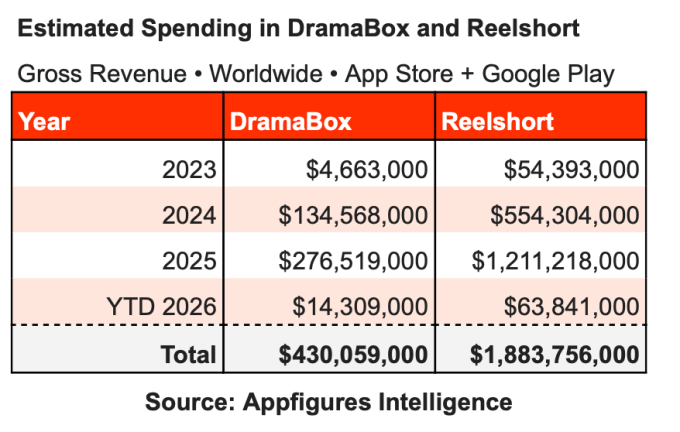
The numbers behind this trend are staggering. According to app intelligence firm Appfigures, ReelShort hit approximately $1.2 billion in gross consumer spending in 2025, a 119% increase from the previous year. Similarly, DramaBox saw its revenue soar to $276 million, more than doubling its 2024 performance.
The market is rapidly attracting institutional capital. TikTok has entered the fray with its standalone app, PineDrama, while GammaTime, a venture backed by Hollywood veterans, recently secured $14 million in funding from high-profile investors, including Alexis Ohanian, Kris Jenner, and Kim Kardashian.
Beyond the Quibi Failure: Why It Works
The success of these apps is counterintuitive, especially following the spectacular failure of Quibi, which burned through $1.75 billion only to shut down shortly after launch. Unlike Quibi’s attempt to bring premium, high-budget Hollywood production to mobile, microdramas lean into the “guilty pleasure” aesthetic.
Eric Wei, CEO of Karat Financial, suggests these apps function like a “female-gaze” version of OnlyFans, relying on “romantasy” tropes similar to 50 Shades of Grey. The content is designed to be addictive, utilizing psychological hooks that force users to pay for tokens or watch ads to resolve cliffhangers—a business model mirrored by predatory mobile gaming tactics.
The Dark Patterns of In-App Monetization
Microdrama apps thrive on friction. Users are given small amounts of free currency to start, but to continue a story, they must either endure endless advertisements or purchase expensive VIP passes. A weekly $20 pass can quickly become more costly than the combined monthly subscriptions of major streaming services like Netflix, HBO Max, and Disney+.
Even interactive features are monetized; often, the “morally correct” or satisfying narrative path is locked behind a paywall, leaving free users with frustrating or unresolved outcomes.
The AI-Driven Future of Scripted Drama
The industry is now pivoting toward artificial intelligence to scale production. Platforms like PocketFM utilize tools like “CoPilot” to analyze story beats and optimize cliffhangers, while the Ukrainian startup Holywater recently raised $22 million, positioning itself as an “AI-first” entertainment network.
Because these stories are inherently formulaic—relying on tropes like the “hidden secret” or the “makeover transformation”—they are perfectly suited for AI generation. Sean Atkins, CEO of Dhar Mann Studios, believes this low-overhead, vertical-first approach provides a unique runway for independent creators to enter the space, provided they can master the art of the short-form hook.
Ultimately, these apps have cracked a lucrative code: they cater to shortening attention spans with content that feels like “Cocomelon for adults,” proving that in the digital economy, engagement often trumps quality.