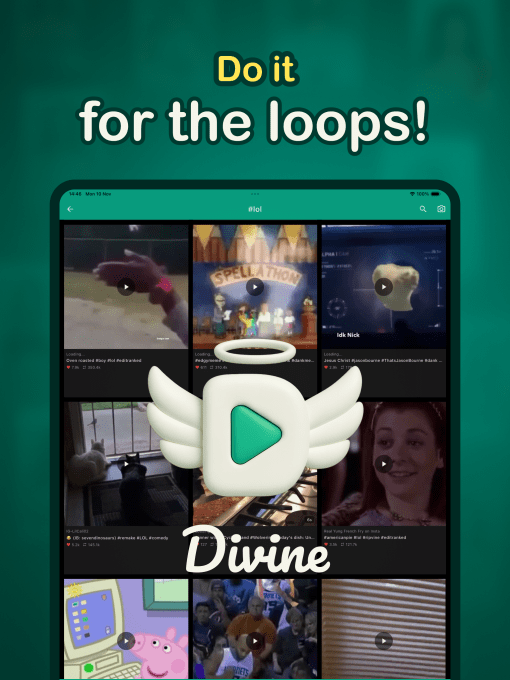
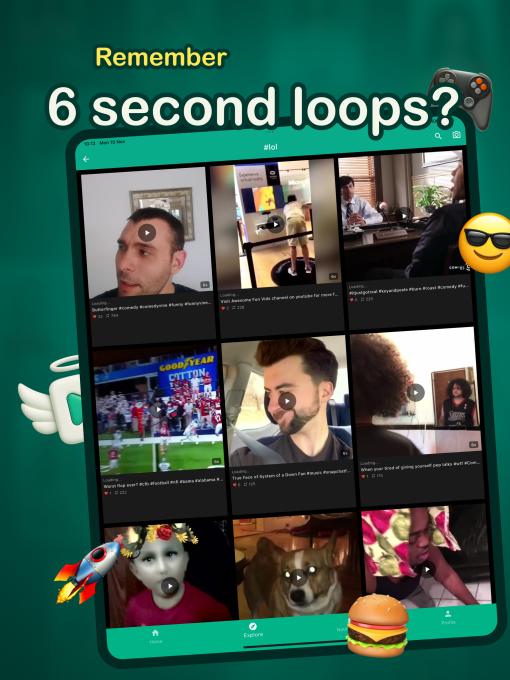
The iconic six-second looping video era is making a comeback. On Thursday, a new app titled diVine launched with the financial backing of Twitter co-founder Jack Dorsey. The platform restores over 100,000 archived Vine videos, rescued from backups created prior to the original app’s 2016 shutdown.
A Decentralized Approach to Nostalgia
Developed by Evan Henshaw-Plath—an early Twitter employee known as “Rabble”—diVine is built upon Nostr, a decentralized, open-source protocol championed by Dorsey. Unlike modern social platforms dominated by opaque algorithms and AI-generated content, diVine prioritizes user agency and human-verified creation.
The project was funded by “and Other Stuff,” a nonprofit established by Dorsey in May 2025 to support experimental, open-source tools capable of reshaping the social media landscape. By utilizing permissionless protocols, the app ensures that community-driven content remains independent of corporate control.
Rescuing the Vine Archive
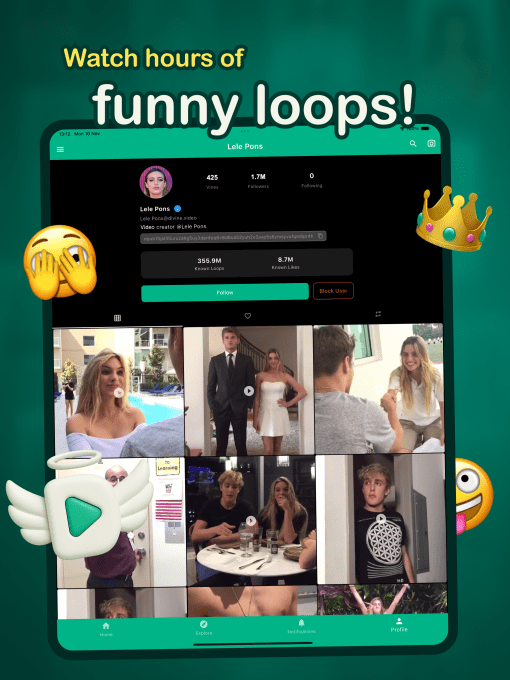
The foundation of the app stems from the Archive Team, a collective that preserved Vine’s data in massive 40-50 GB binary files when the platform shuttered. Henshaw-Plath spent months writing data scripts to extract these files, successfully reconstructing individual user profiles and engagement metrics, such as view counts and select original comments.
While the app contains a significant portion of the platform’s most popular content, it is not a complete mirror of the original service. Millions of niche videos, such as those within the K-pop community, were never captured by the initial archiving efforts. Currently, the app hosts between 150,000 and 200,000 videos from approximately 60,000 creators.
Human-Centric Content Verification
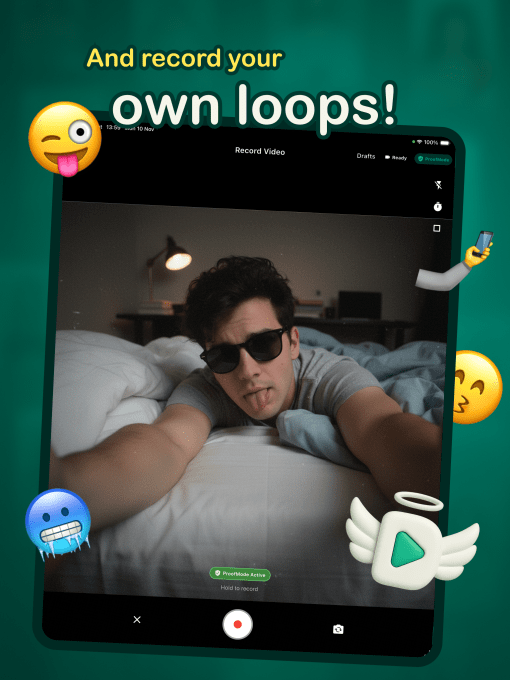
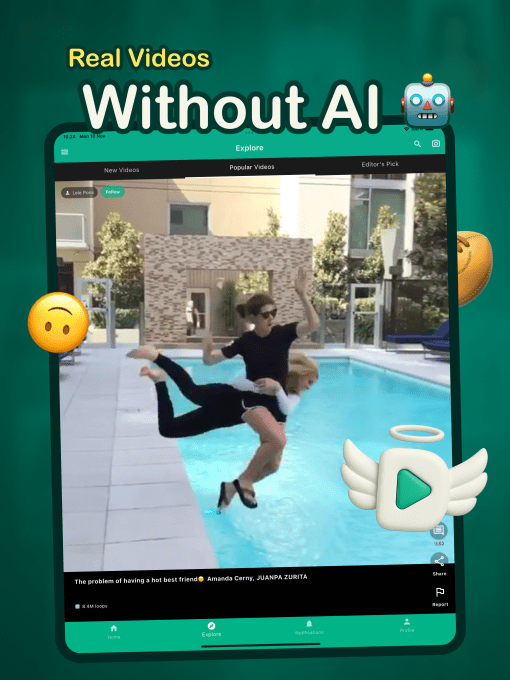
A core mission of diVine is to combat the saturation of generative AI. The app actively flags and prevents the posting of suspected AI-generated content. To ensure authenticity, Henshaw-Plath integrated technology from the Guardian Project, which verifies that media was recorded on a smartphone.
Original Vine creators retain copyright over their work. Those who wish to reclaim their presence can verify their identities by linking their original social media accounts. Once verified, they can upload new content or restore missing archived clips.
The Future of Social Media
While Elon Musk has previously teased the return of Vine under X, no official product has materialized. The diVine team operates under the belief that their use of archived content qualifies as fair use, positioning it as a distinct alternative to the current social media status quo.
Henshaw-Plath emphasizes that there is a palpable demand for the “early Web 2.0” experience—an era characterized by community building rather than algorithm gaming. The app is currently available for download on iOS and Android via diVine.video.