YouTube remains a massive economic engine, contributing over $55 billion to the U.S. GDP and sustaining more than 490,000 full-time jobs. Despite these figures, the platform’s biggest stars are aggressively pivoting away from volatile ad revenue and brand deals to build vertically integrated, independent business empires.
This shift is driven by the unpredictable nature of algorithmic updates and changing platform policies. By transitioning into consumer brands, product lines, and physical ventures, these creators are insulating their income from the whims of YouTube’s backend, often finding that their side businesses scale with greater stability and profit margins than their original video content.
The MrBeast Blueprint
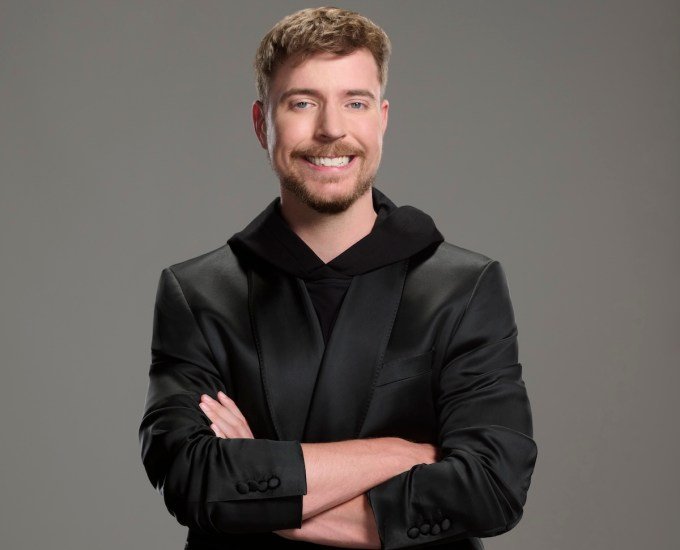
With 442 million subscribers, Jimmy Donaldson (MrBeast) has evolved from a creator into a diversified entrepreneur. His portfolio now spans multiple sectors, including a planned theme park in Saudi Arabia and ambitions in the telecommunications space as an MVNO provider.
His financial strategy is best exemplified by his snack brand, Feastables. In 2024, the brand generated roughly $250 million in revenue, netting over $20 million in profit—a stark contrast to his media business, which saw an $80 million loss. Beyond food, his ventures include the Beast Lab toy line, the analytics platform Viewstats, and the recent acquisition of the Gen Z banking app Step.
Beverage Brands and Retail Scaling
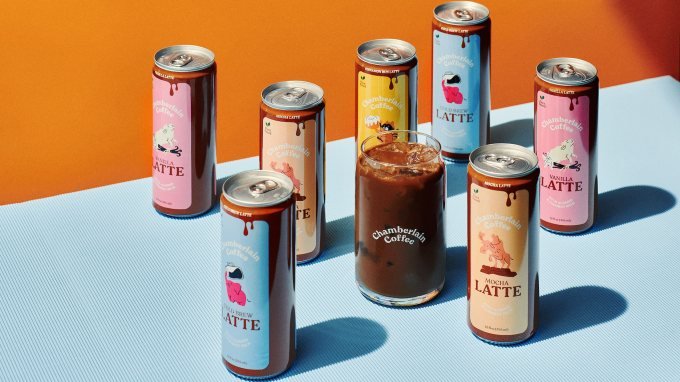
Emma Chamberlain, a veteran vlogger with over 12 million subscribers, successfully transitioned into the beverage industry with Chamberlain Coffee. Since its 2019 launch, the brand has moved from e-commerce to major retailers like Target and Walmart, and recently opened its first physical café.
According to Forbes, the company hit $20 million in revenue in 2023. Despite minor supply chain hurdles, projections suggest the brand will exceed $33 million in revenue by 2025, with a clear path toward total profitability by 2026.
High-Stakes Ventures
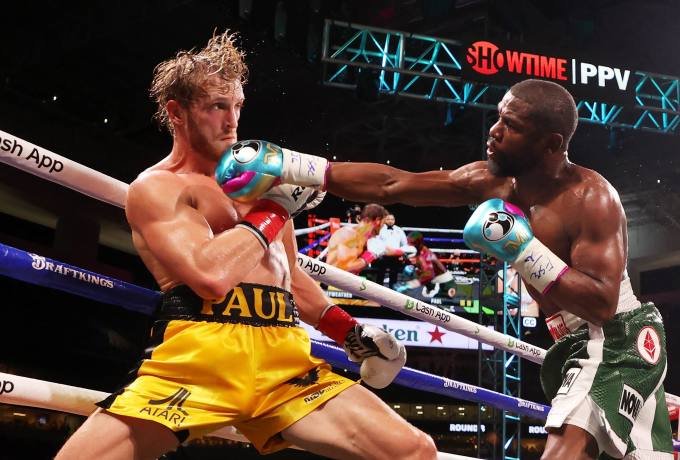
Logan Paul utilized his massive reach to launch Prime, an energy drink that surpassed $1.2 billion in sales in 2023. While the brand has faced regulatory scrutiny and cooling sales in the U.K., it remains a blueprint for influencer-led consumer goods.
The Paul family ecosystem continues to expand: Jake Paul co-founded the Anti Fund—investing in companies like OpenAI and Anduril—while also owning the betting platform Betr and the grooming line W.
The Toy Industry Powerhouse
Ryan Kaji, the face of Ryan’s World, revolutionized content monetization for children. His brand of toys and apparel, sold globally, generated over $250 million in 2020. Today, the Kaji family operates a multi-platform business that includes television production and educational apps.
Culinary and Beauty Dominance
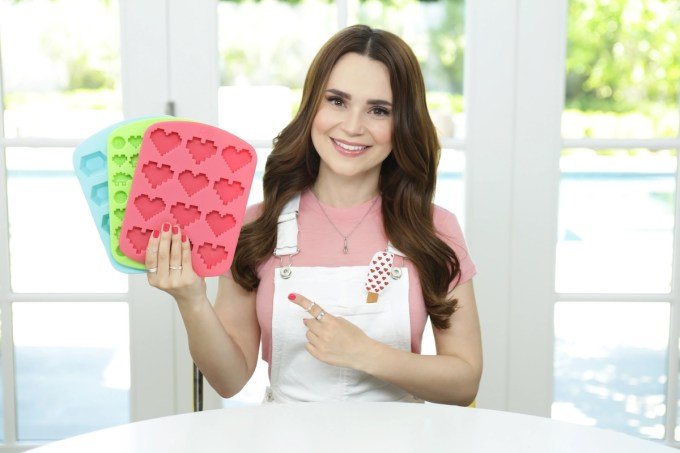
Rosanna Pansino has leveraged her 14.8 million subscribers to build the Nerdy Nummies brand, which includes a successful line of cookbooks and kitchenware. This trend is mirrored by other creators like Andrew Rea (Babish Cookware) and the duo behind MishMash Cereal.
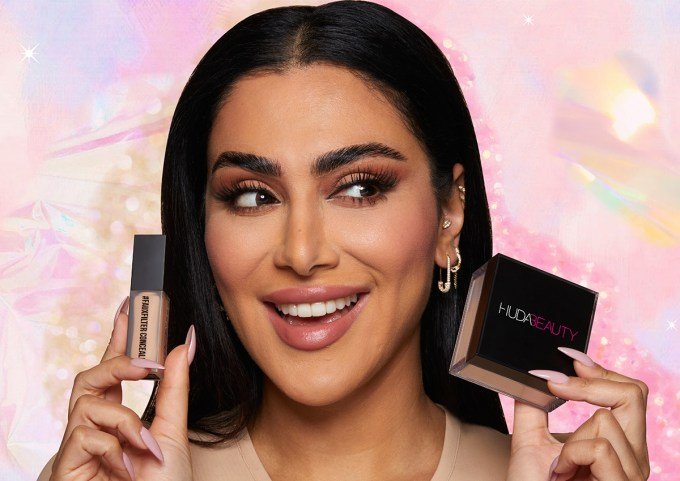
In the beauty sector, pioneers like Michelle Phan (Ipsy, EM Cosmetics) set the stage for modern powerhouses like Huda Beauty. Founder Huda Kattan recently reclaimed full control of her company, which generates hundreds of millions annually, proving that influencer-founded brands can compete directly with legacy corporate entities.