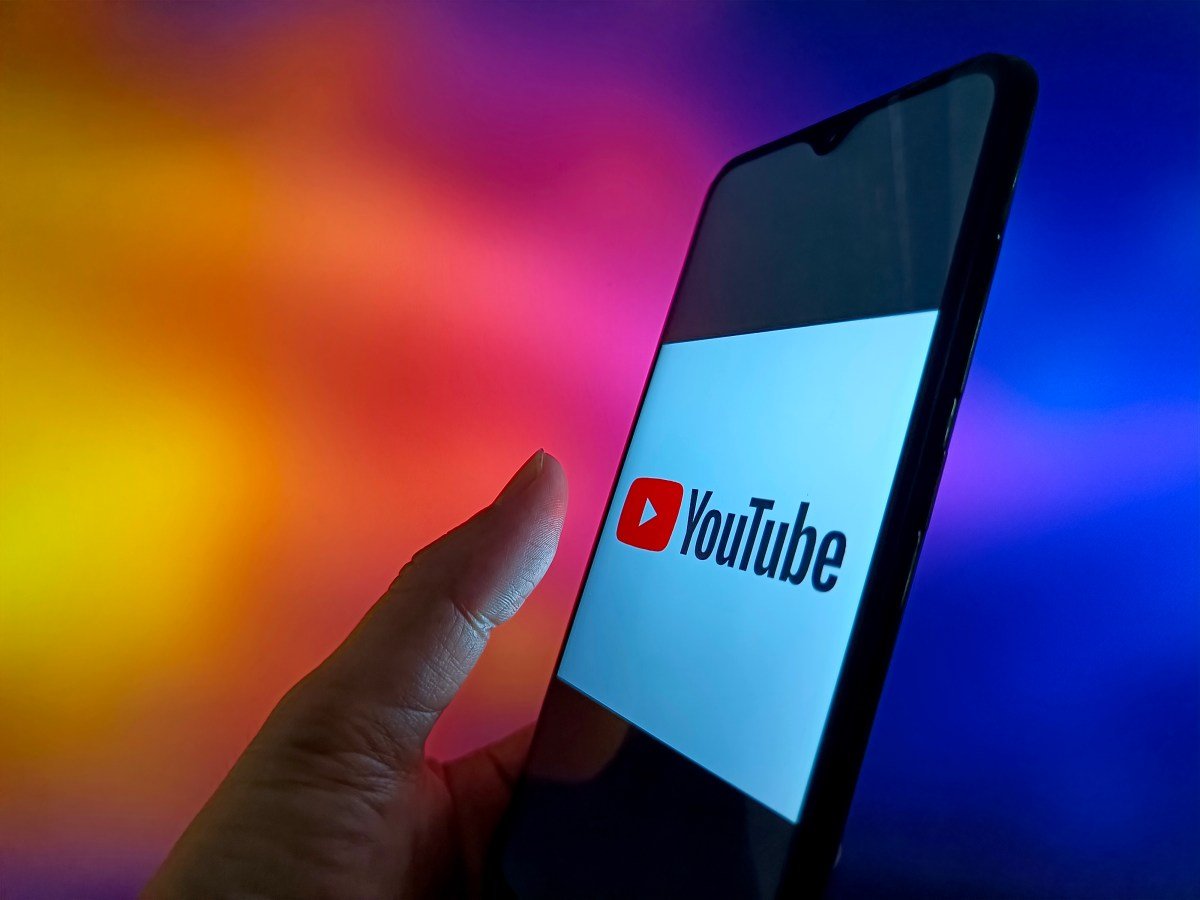
YouTube officially announced on Thursday a new pilot program that allows creators previously banned from the platform to request the creation of new accounts. This shift represents a significant change in policy for the Google-owned video giant, which had previously maintained a strict “zero-tolerance” stance on channel terminations.
The Path to Reinstatement
The company acknowledged that its standards and community landscape have evolved over the past two decades. In a statement, YouTube emphasized that many creators deserve a second chance, noting, “YouTube has evolved and changed over the past 20 years, and we’ve had our share of second chances to get things right with our community too.”
To qualify for a new channel, creators must wait at least one year following their initial termination date. If approved, the creator must start from scratch—they will not regain access to their original account or previous content. However, once established, these new channels will be eligible to apply for the YouTube Partner Program, allowing creators to potentially monetize their content through ad revenue sharing.
Political Pressure and Policy Shifts
This policy pivot follows intense scrutiny from lawmakers. Rep. Jim Jordan (R-OH) had previously subpoenaed Alphabet, YouTube’s parent company, to investigate whether the Biden-Harris administration pressured platforms to censor specific viewpoints.
In a letter addressed to Rep. Jordan, Alphabet’s legal counsel, Daniel F. Donovan, confirmed that the platform would offer a path back for certain creators. The document specifically cited a commitment to free expression and noted that YouTube aims to support voices that play an important role in civic discourse, particularly those impacted by policies that are no longer in effect.
Focus on COVID-19 and Election Integrity
While YouTube’s official blog post remained broad, Alphabet’s correspondence clarifies that the pilot is largely targeted at users banned for violating COVID-19 misinformation and election integrity policies—rules that were strictly enforced during the pandemic and following the January 6 riots.
During those periods, platforms faced immense pressure to curb content such as false claims that vaccines cause cancer—a theory debunked by scientific research—and content deemed to incite political violence.
Evaluation Criteria and Restrictions
Not every terminated creator will be eligible for a comeback. YouTube has established specific vetting factors to protect the community:
- Severity of Violation: Channels terminated for particularly severe or persistent breaches of Community Guidelines will remain banned.
- Harmful Activity: Accounts involving activities that threaten the safety of the YouTube community—especially those endangering minors—will not be considered.
- Copyright Infringement: Creators terminated for copyright violations are explicitly excluded from the pilot program.
YouTube continues to allow creators to appeal their original termination within the first year if they believe the platform’s initial decision was unjust, providing an alternative route for those who maintain their innocence regarding the platform’s rules.