
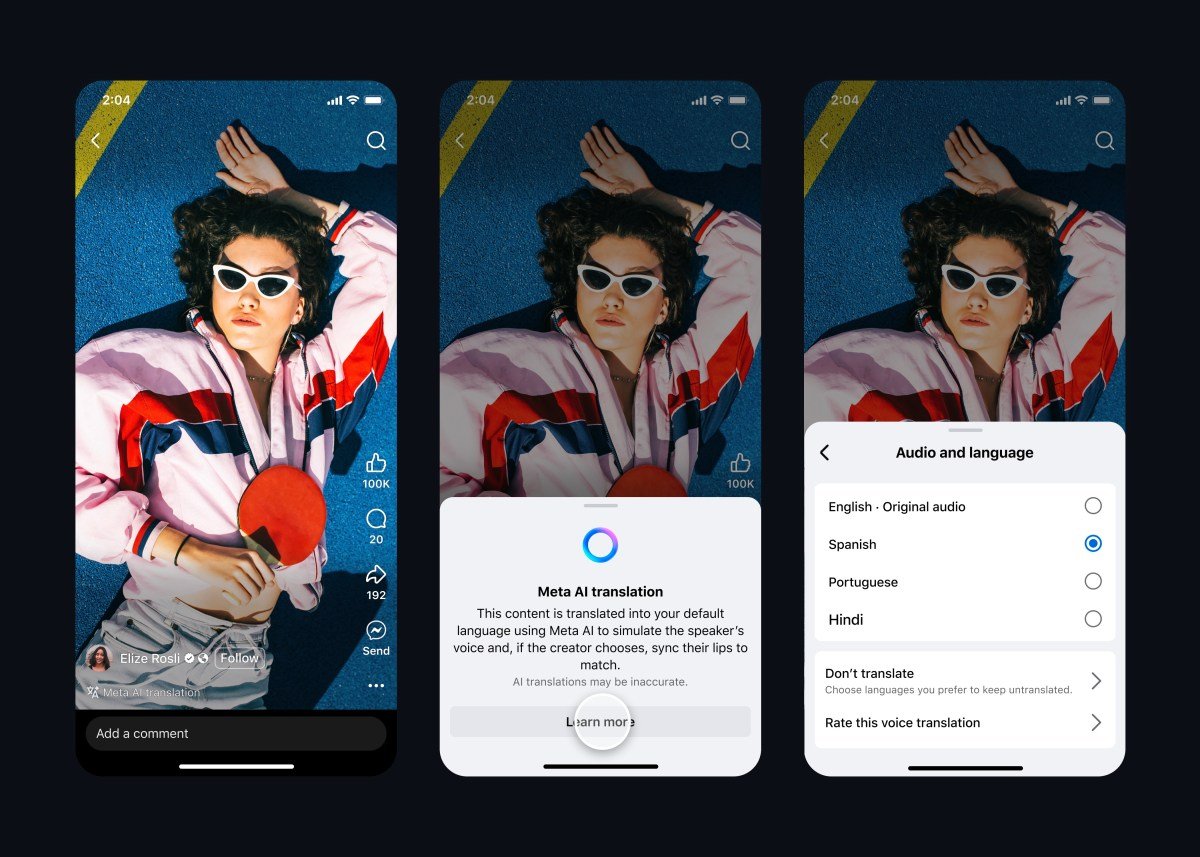
Meta is expanding its AI-powered translation capabilities for Reels, officially adding support for Hindi and Portuguese. This strategic move, rolled out across both Instagram and Facebook, aims to dismantle linguistic barriers for creators in two of the company’s largest and most active global markets: India and Brazil.
Breaking Global Linguistic Barriers
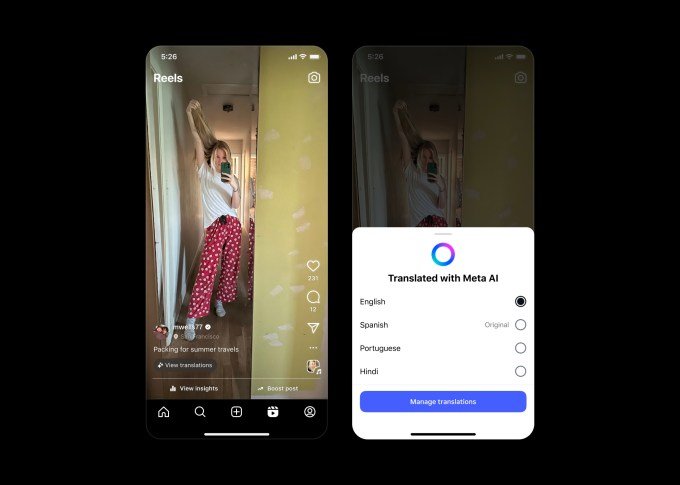
The feature, originally unveiled at the Meta Connect conference and launched in August with English and Spanish support, is designed to help content creators scale their reach. By enabling automatic translation, Meta allows audiences to consume content in their preferred language, even if the original video was recorded in a different tongue.
Adam Mosseri, head of Instagram, emphasized the value of this technology in a recent post. He noted that the platform aims to empower creators to connect with potential audiences across cultural divides, ultimately increasing their follower growth and engagement.
How Creators Can Activate Translations
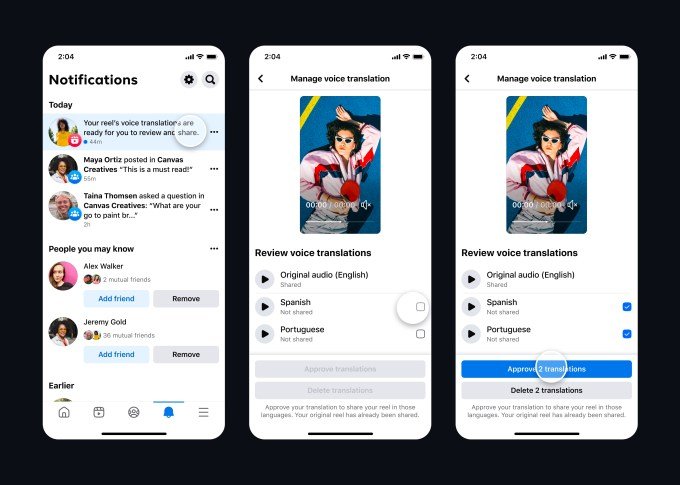
For creators, the process is streamlined. Before publishing a Reel, they can select the “Translate your voice with Meta AI” option. After the tool generates an automatic dub with synchronized lip-syncing, creators can review the content and choose the specific target languages for distribution.
Upcoming Features and Competitive Landscape
Meta is not stopping at basic dubbing. The company is actively developing several enhancements to its AI translation suite:
- Multi-speaker support: Currently available on Facebook, this feature is slated to arrive on Instagram shortly.
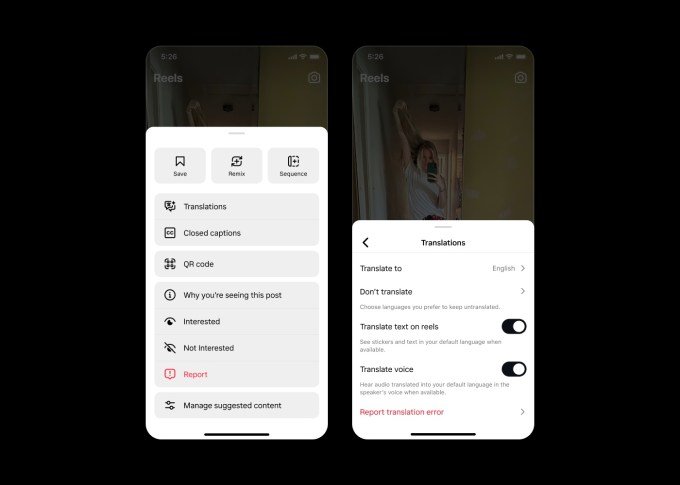
- Text translation: A new tool will soon allow users to translate caption stickers, providing accessibility for viewers watching videos without audio.
- Voice preservation: Meta is working on a feature to retain the creator’s original voice characteristics and tone during the dubbing process.
- Advanced Lip-syncing: Upgrades are in the pipeline to ensure the visual matching of mouth movements is more precise.
The race for AI-driven translation is heating up, with YouTube remaining a primary competitor. YouTube has been iterating on its own translation technology for years, recently launching significant lip-sync improvements for its auto-dubbing feature, which now supports 20 different languages.