
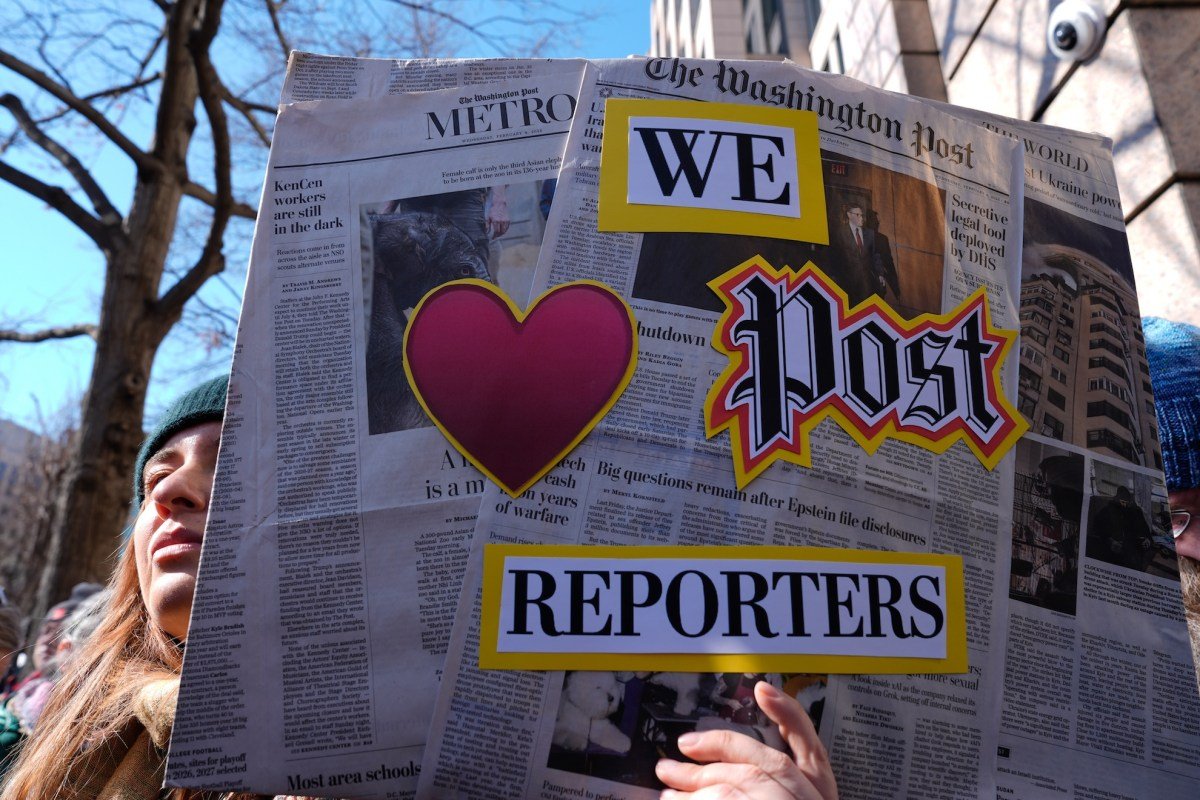
The Washington Post has initiated a sweeping round of layoffs, slashing its workforce by more than 300 employees and significantly gutting its coverage of the technology sector, science, and international affairs. The move, occurring as the global economy becomes increasingly reliant on AI and digital infrastructure, raises urgent questions about the independence of media outlets owned by tech billionaires.
A Drastic Reduction in Critical Reporting
The restructuring has decimated the newsroom’s capacity to hold the tech industry accountable. According to Post tech reporter Drew Harwell, the department covering tech, science, health, and business was reduced by more than half—dropping from 80 to 33 staff members. The tech desk alone lost 14 journalists, including those tasked with investigating Amazon, artificial intelligence, and internet culture.
Beyond tech, the newspaper’s reach has been severely curtailed:
- Sports and Culture: The entire sports bureau was eliminated, and coverage of culture and the D.C. metro area was significantly reduced.
- Geopolitics: Foreign reporting teams, including desks covering Ukraine, Russia, Iran, and Turkey, were largely dismantled.
- Social Issues: All staff dedicated to covering race and ethnicity issues were laid off.
Financial Struggles and Ownership Influence
The layoffs follow a period of intense financial volatility for the outlet. The Washington Post reportedly suffered $100 million in losses during 2024, compounded by a massive exodus of subscribers following Jeff Bezos’ decision to block the newspaper’s presidential endorsement. Data indicates that daily web visits plummeted from 22.5 million in early 2021 to roughly 3 million by mid-2024.
Executive editor Matt Murray described the cuts as a necessary “reboot” to achieve profitability in a competitive landscape. However, critics point to the inherent conflict of interest in billionaire ownership. Jeff Bezos, currently the third-richest person in the world, owns the Post while his space company, Blue Origin, relies heavily on federal contracts.
The Intersection of Power and Media
The timing of the cuts has drawn sharp scrutiny. While the newsroom was preparing for the layoffs, Bezos was reportedly hosting Secretary of Defense Pete Hegseth at Blue Origin facilities in Florida. Shortly thereafter, the newspaper terminated the journalist who had previously reported on Blue Origin’s internal labor issues.
This consolidation of media ownership reflects a broader trend over the last 15 years, where tech moguls—including Marc Benioff and Patrick Soon-Shiong—have acquired legacy news organizations. As tech giants exert unprecedented influence over the global flow of information, the retreat of a major publication from covering the very industry that defines the modern era signals a profound shift in the media landscape.