
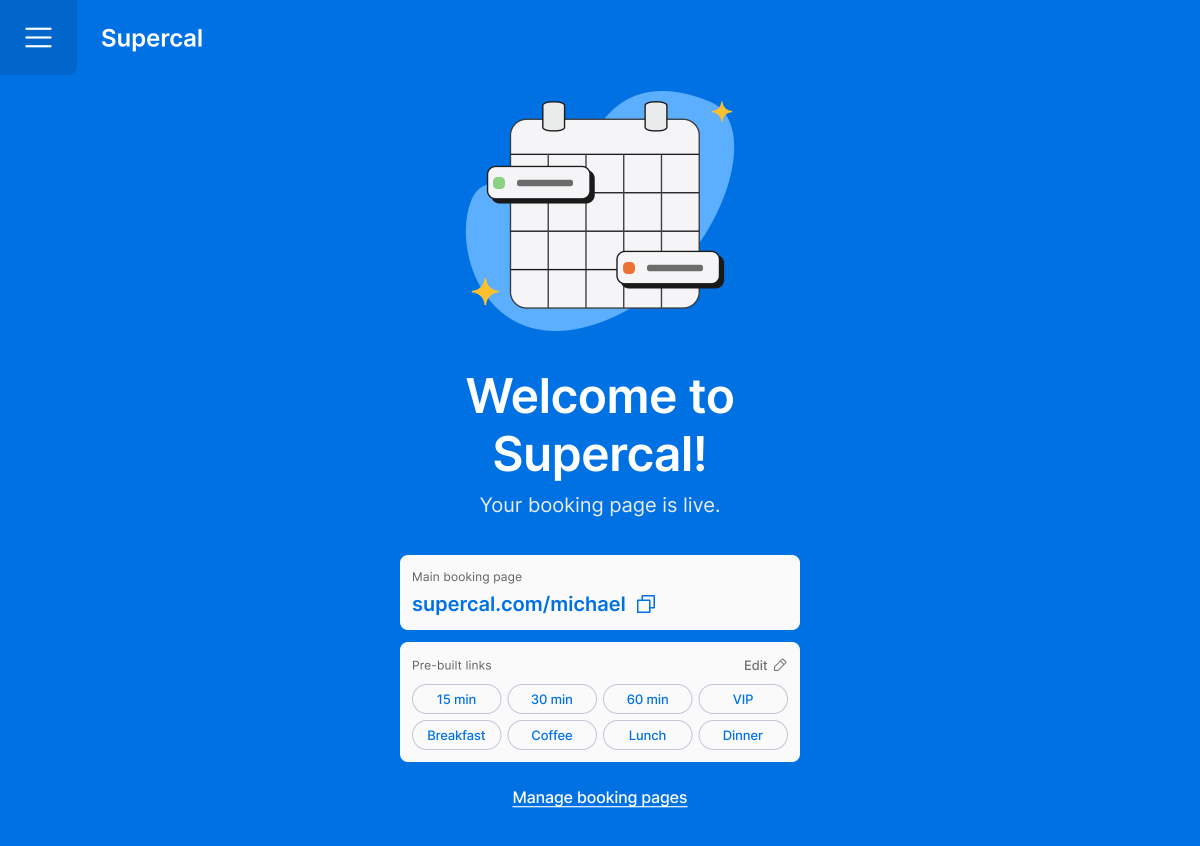
Paul English, the co-founder of Kayak, has officially entered the scheduling software market with the launch of Supercal. This new, free-to-use platform arrives as a direct competitor to Calendly, aiming to streamline group meeting coordination and simplify booking workflows for professionals and organizations.
Solving the Scheduling Bottleneck
The inspiration for Supercal originated from English’s own operational frustrations. As a board member for eight different organizations, he frequently encountered the logistical nightmare of syncing complex schedules. His objective was to build a robust, user-friendly alternative that provides high-level functionality without the subscription fees typically associated with premium scheduling tools.
“Instead of having the limited version of Calendly or the paid version, which is $12 a month, people can get all those features and more for free at Supercal,” English stated.
Core Features and AI Integration
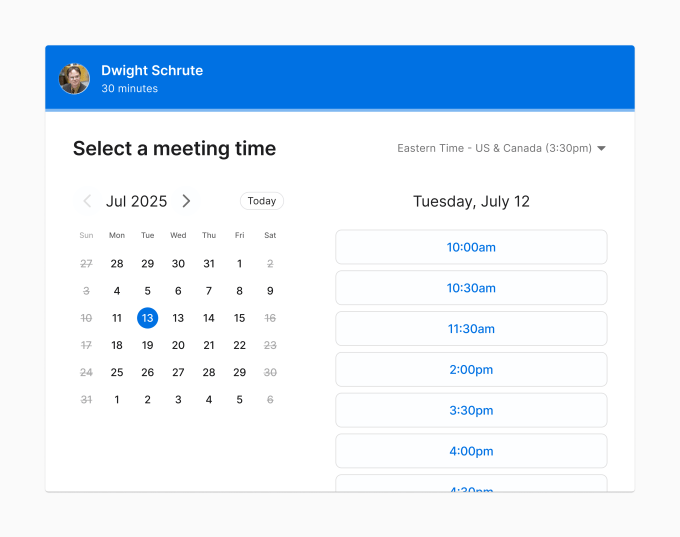
Supercal distinguishes itself through a sophisticated group scheduling feature. Users can email a group of participants and CC the service’s AI. The system then automatically reviews the calendars of all participants, identifies a mutually convenient time, finalizes the booking, and updates the email thread with the meeting details.
The platform supports the synchronization of up to six distinct calendars, consolidating work, personal, and secondary commitments into a single view. Key features include:
- Diverse Meeting Types: Includes standard 15, 30, and 60-minute slots.
- VIP Access: A specific mode that grants full calendar transparency for priority situations.
- Hospitality Integration: Dedicated slots for breakfast, lunch, and coffee meetings, with plans for an OpenTable integration to handle restaurant reservations directly.
- Advanced Organization: Includes pre-meeting context forms, automatic time zone detection, and customizable templates.
Future Roadmap: Beyond Just Scheduling
While the current iteration of Supercal is free, the team intends to introduce premium subscription tiers in the future. However, English emphasizes that the core features will remain free. The long-term vision extends far beyond simple calendar management; the platform aims to actively improve meeting quality.
English envisions integrating feedback mechanisms that analyze meeting performance. By leveraging transcription services, Supercal could eventually provide users with data-driven insights—such as speaking pace, volume, and the frequency of filler words—to coach users toward more effective communication.
Furthermore, the platform plans to introduce diagnostic tools to reduce “meeting bloat.” These future features are designed to identify meetings with low participation or lack of actionable outcomes, suggesting to users when recurring meetings may no longer be necessary. Currently available on the web, Supercal plans to expand its reach with browser extensions, email plugins, and dedicated mobile applications for iOS and Android.