
The Trump administration is moving to dismantle the Environmental Protection Agency’s (EPA) Energy Star program, a long-standing initiative that has successfully saved U.S. consumers approximately $40 billion annually in energy costs. According to a CNN report, the White House plans to wind down the program despite its proven track record of reducing household utility expenses.
A Proven Economic Engine
Operating on a modest annual budget of $32 million, Energy Star functions as a public-private partnership. It collaborates directly with electronics and appliance manufacturers to certify energy-efficient products, while simultaneously assisting consumers in identifying rebates that lower the initial purchase price of these goods.
Industry experts argue that the program’s value far exceeds its federal cost. Paula Glover, president of the Alliance to Save Energy, noted that the initiative generates a 350-to-one return on investment. “Eliminating the Energy Star program would directly contradict this administration’s promise to reduce household energy costs,” Glover stated.
Historical Context and Consumer Impact
Established in 1992 under the administration of President George H.W. Bush, the program was later reauthorized in 2005 under President George W. Bush. Oversight of the initiative is currently shared between the EPA and the Department of Energy, as outlined in official congressional records.
Why the Yellow Label Matters
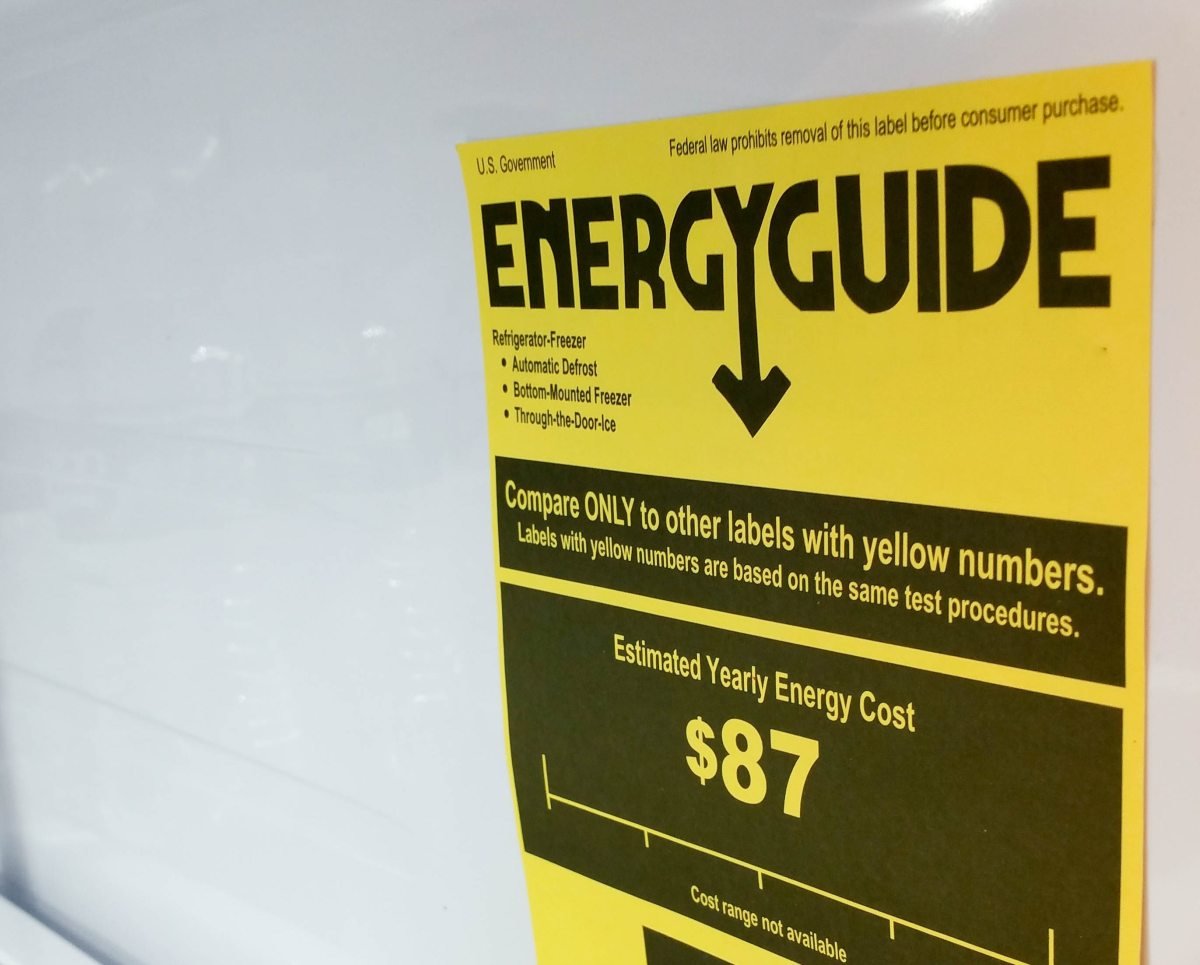
The program is perhaps best known for its signature yellow labels found on appliances and electronics across the United States. These labels provide transparency, allowing consumers to estimate how much electricity or natural gas a device will consume during a standard year of operation.
Data from the Energy Star impact reports indicates that the average American household saves approximately $450 per year on energy bills thanks to these efficiency standards. The proposed termination of the program threatens to remove this vital consumer guidance tool from the marketplace.