
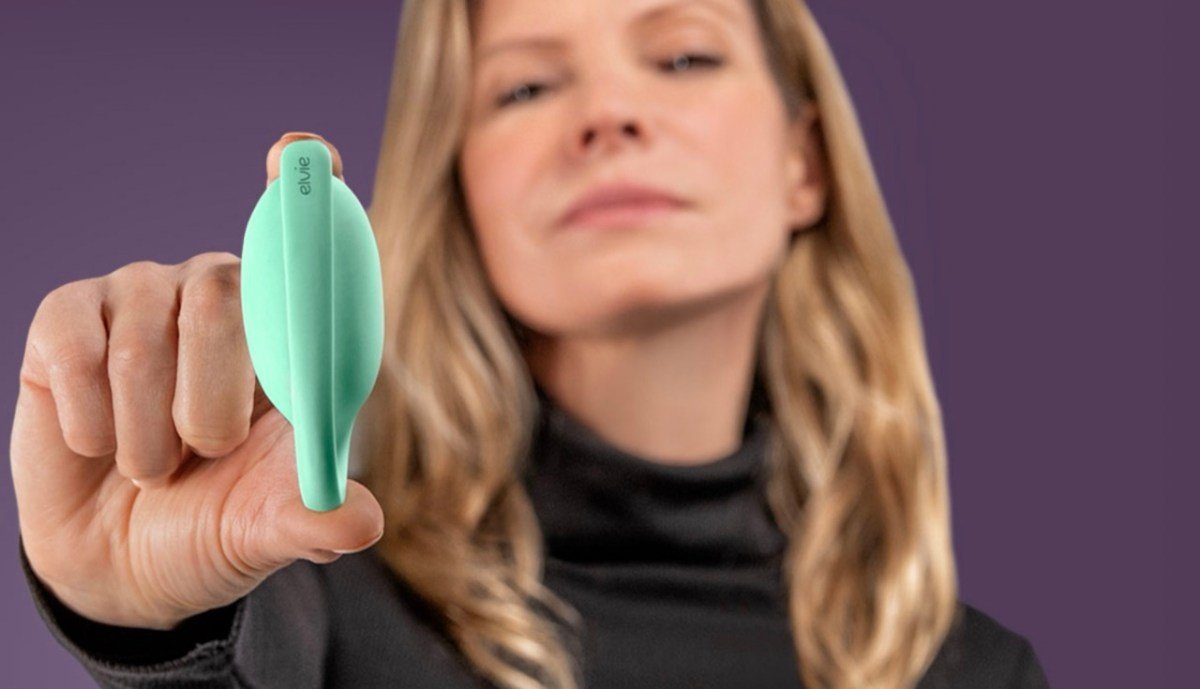
The femtech sector is witnessing a major shift as San Francisco-based Willow, a leader in wearable breast pump technology, acquires the assets of London-based pioneer Elvie. The deal comes as Elvie enters administration, marking a significant consolidation point in a $60 billion market that has seen over $5 billion in funding evaporate into a tightening economic landscape.
From Rivalry to Acquisition
The acquisition effectively ends a period of intense competition between the two firms. Previously, the companies were locked in legal battles, including a patent infringement lawsuit filed by Willow against Elvie. By absorbing Elvie’s assets, products, and remaining staff, Willow aims to solidify its position as a dominant platform provider.
Elvie, which gained notoriety for its smart Kegel trainers and expanded into bassinet hardware, had raised over $186 million throughout its 12-year history. Despite a peak valuation of $241 million, the company faced insurmountable runway pressures, leading to the current administrative proceedings.
Market Headwinds and the Femtech Reality
The collapse of a major player like Elvie underscores the systemic challenges facing the women’s health industry. While the sector is projected to reach $60 billion in value, it is currently struggling with several critical factors:
- Market Saturation: A flood of low-cost, generic products has eroded margins for premium innovators.
- Capital Constraints: Investor interest has shifted heavily toward AI-centric startups, leaving hardware-heavy femtech companies with limited exit opportunities.
- Operational Hurdles: The inherent difficulty of scaling profitable hardware businesses remains a persistent barrier to entry.
The Future of Willow’s Platform
Willow, which has secured approximately $254 million in combined equity and debt, is recalibrating its strategy under CEO Sarah O’Leary. After a peak valuation of $256 million in 2021, the company saw its valuation dip during a 2024 funding round. O’Leary, who took the helm in late 2023, is now tasked with transforming the combined entity into a sustainable, profitable business.
The integration process will involve managing Elvie’s 170-person workforce across London and Bristol, though some employees are already serving notice periods. Beyond the operational integration, Willow faces the broader industry challenge of handling sensitive reproductive health data in an increasingly complex regulatory and political environment.
Willow’s strategic move suggests a new phase for femtech: if independent exit opportunities are scarce, the industry must rely on internal consolidation to build robust, multi-product platforms. The ultimate goal, according to O’Leary, is to prove that femtech can move beyond compelling narratives to become a category defined by long-term financial viability.