
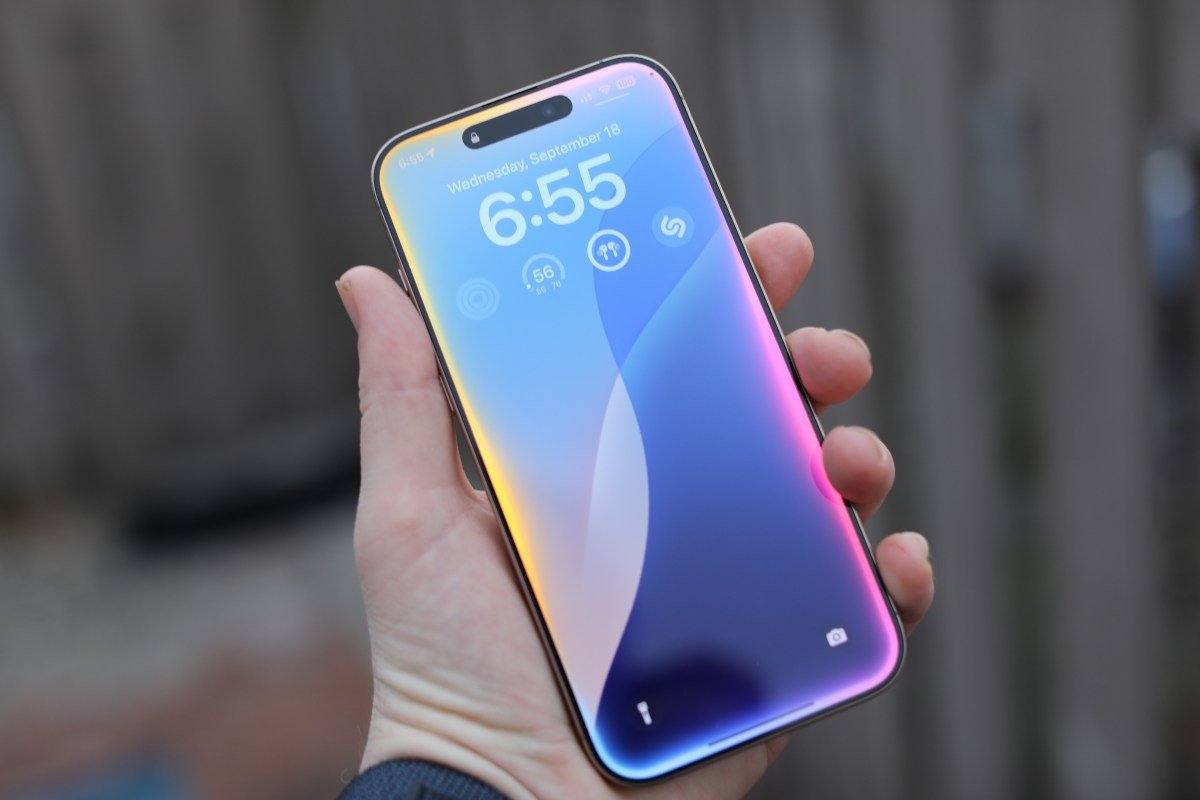
Alibaba officially confirmed a strategic partnership with Apple on Thursday, marking a pivotal move to integrate generative AI features into iPhones sold throughout China. This collaboration arrives at a critical juncture for Apple, which has seen its iPhone sales plummet 11% year-over-year in the world’s largest smartphone market, according to recent financial disclosures.
Strategic Shift in the Chinese Market
Joseph Tsai, chairperson of Alibaba, announced the deal during the World Government Summit in Dubai. “Apple evaluated a number of companies in China,” Tsai noted. “Ultimately, they chose to partner with us to power their devices with our AI technology. We are honored to collaborate with a company of Apple’s caliber.”
Industry reports suggest that Apple’s initial attempt to collaborate with Baidu faced significant technical hurdles. Before securing the Alibaba deal, Apple reportedly explored potential integrations with ByteDance and DeepSeek. Both Apple and Alibaba have submitted the necessary documentation to local regulatory bodies to ensure compliance.
The Apple Intelligence Gap
The absence of Apple Intelligence—the company’s proprietary generative AI solution—has been a primary drag on international performance. CEO Tim Cook highlighted this disparity during the most recent earnings call, noting that markets with access to Apple Intelligence outperformed those that lacked the feature, particularly within the iPhone 16 lineup.
Apple is relying on this AI integration to trigger a “super cycle,” a surge in device upgrades that has been delayed by the company’s slower deployment of generative AI compared to competitors like Google, which has aggressively pushed Gemini features through Samsung and Pixel devices.
Intense Competition and Regulatory Hurdles
Apple’s market share in China has faced severe pressure from domestic manufacturers. According to data from Canalys, Vivo captured 17% of the market in Q4 2024, followed by Huawei at 16%. Apple, which previously held 24%, has slipped to 15%, now tied with Xiaomi and Oppo.
While the Alibaba deal is intended to claw back market share, the path forward remains precarious. Ongoing trade tensions and potential tariffs threaten to complicate Apple’s operations in the region regardless of the success of its AI implementation.
Navigating Geopolitical Tensions
Apple has been actively managing its relationship with the U.S. administration to mitigate trade risks. CEO Tim Cook contributed $1 million to Donald Trump’s inaugural committee earlier this year. Furthermore, the company recently updated its Maps application to rename the Gulf of Mexico to the “Gulf of America,” mirroring similar moves by other major tech firms.
Apple has yet to provide additional comments regarding the specific technical scope of the Alibaba agreement.