
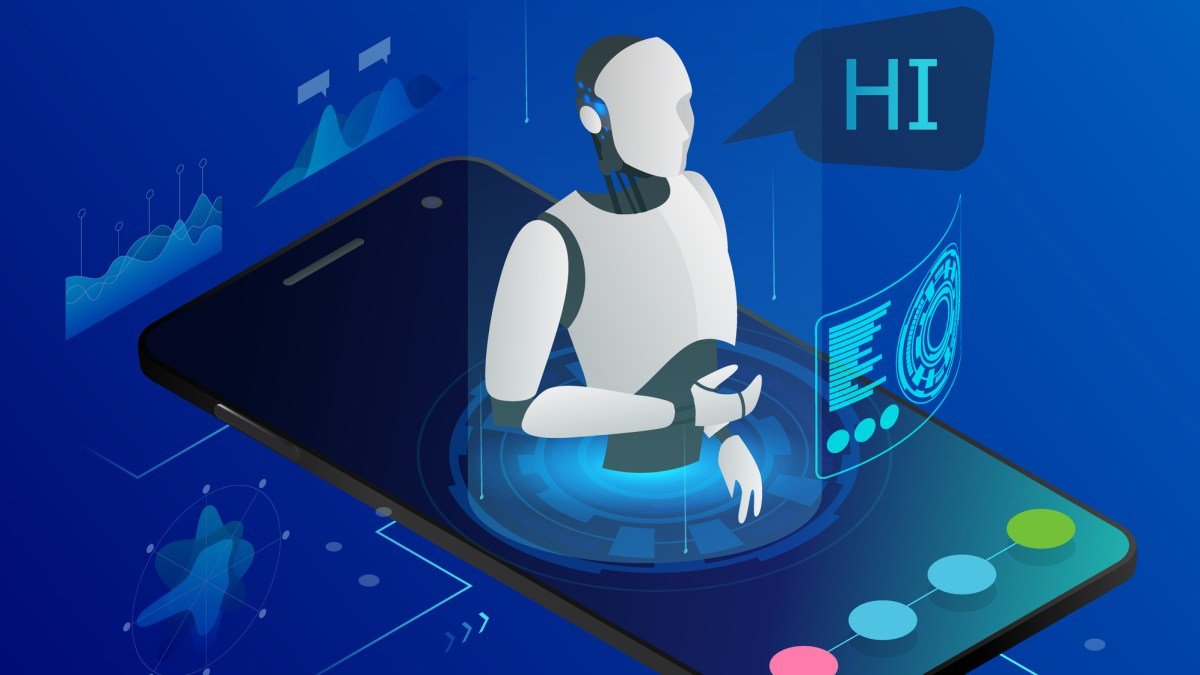
Apple is officially investigating the development of both humanoid and non-humanoid robots, according to a new report from veteran analyst Ming-Chi Kuo. This disclosure follows the recent publication of an Apple research paper detailing human interaction with “non-anthropomorphic” robotics, specifically focusing on a Pixar-inspired lamp design.
Early-Stage Innovation or Future Reality?
While the research suggests a potential path toward consumer-facing robotics, the project remains in the nascent proof-of-concept phase. Kuo categorizes the work as being in its infancy, drawing parallels to the early development stages of the now-abandoned Apple Car project. Given standard industry development cycles, market analysts view 2028 as an optimistic timeframe for any potential mass production.
Unlike other secretive projects—such as the rumored foldable iPhone—Apple has shown a surprising level of transparency regarding its robotics research. This openness is likely a strategic move to attract top-tier engineering talent in a competitive field where publications serve as a primary recruitment tool for AI-driven robotics companies.
Prioritizing Perception Over Humanoid Form
Kuo notes that Apple’s focus extends beyond mere physical appearance. While the industry remains divided on the efficacy of humanoid versus non-humanoid designs, evidence suggests that Apple is prioritizing how users perceive and interact with robotic systems. The company’s core interest lies in advancing sensing hardware and software rather than simply replicating human anatomy.
The term “non-anthropomorphic” in Apple’s research clarifies that the company is exploring a wide spectrum of form factors. This includes systems that utilize human-like traits without necessarily adopting a traditional two-arm, two-leg structure. Apple is currently in a phase of broad experimentation, testing everything from basic mechanical systems to complex humanoid prototypes.
Building a Smart Home Ecosystem
The potential integration of these systems into a “future smart home ecosystem” remains the primary objective. Speculation points toward a device that could range from a specialized smart display with a mechanical arm to more advanced household assistants. Apple’s challenge will be proving that consumers have a genuine need for a home robot that goes beyond current limitations, such as those found in existing vacuum robots.
The Competitive Landscape
Several industrial players, including 1X, Figure, and Apptronik, are currently attempting to bridge the gap between factory-floor robotics and home utility. However, significant barriers remain, specifically regarding unit pricing and long-term reliability. Given the premium pricing of the Vision Pro, the cost of entry for a sophisticated home robot could be substantial.
Following the cancellation of the Apple Car project and the complex rollout of Apple Intelligence, the company is expected to maintain a cautious, methodical approach to the robotics sector. While Apple has a proven history of refining and popularizing established product categories, the graveyard of failed home robotics ventures in Silicon Valley serves as a cautionary tale for the tech giant.