
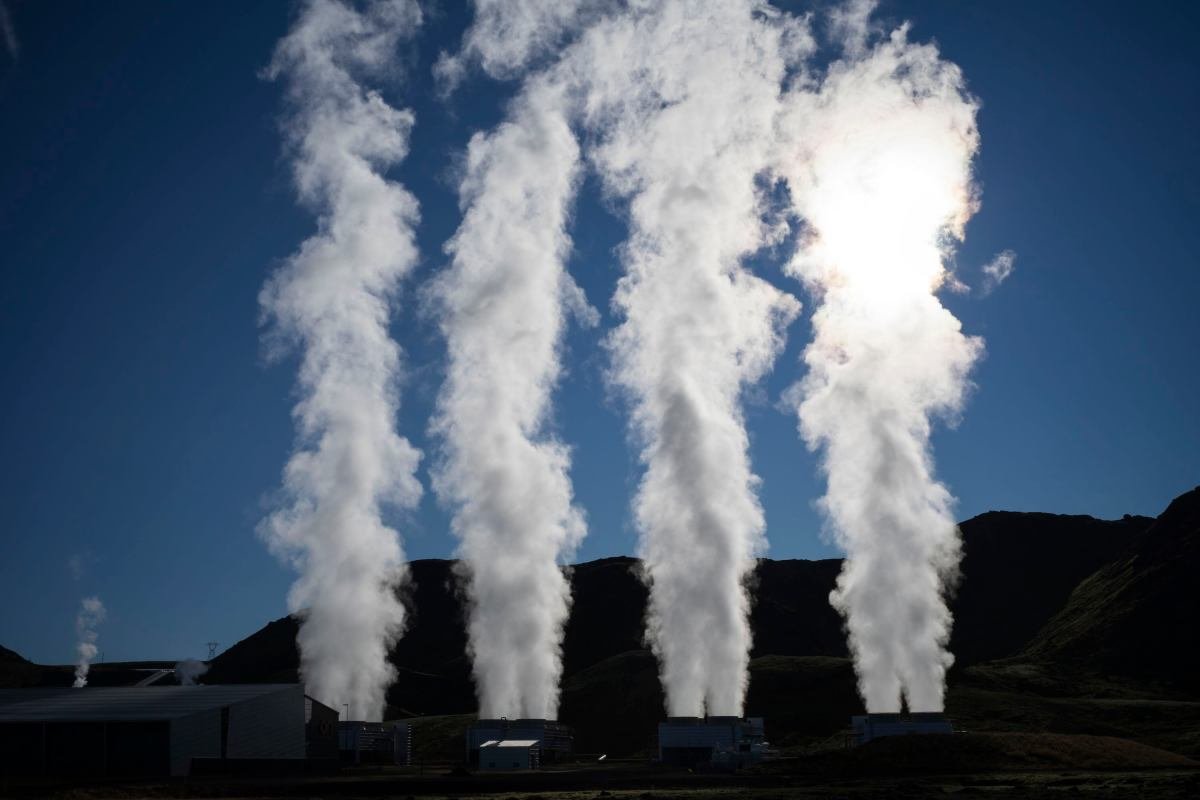
Google officially announced on Tuesday a landmark investment in Taiwan, securing 10 megawatts of geothermal energy to power its local data center operations. This move marks the tech giant’s first foray into geothermal power within the Asian market, signaling a strategic shift toward consistent, carbon-free energy sources.
A Strategic Partnership for Renewable Growth
The project is spearheaded by the Swedish firm Baseload Capital. Through its local subsidiary, the company has been meticulously mapping Taiwan’s geothermal potential since 2019. This collaboration allows Google to integrate localized renewable energy directly into its regional infrastructure, reducing reliance on traditional power grids.
Scaling Geothermal Beyond Nevada
This initiative follows Google’s successful venture into geothermal energy in the United States. In November, the company achieved a major milestone when the geothermal startup Fervo connected a 3.5-megawatt power plant to the grid. That project, which supplies power to Google’s Nevada data centers, served as a proof-of-concept for the scalability of Earth-heat technology.
Taiwan’s Role in the Global Energy Transition
Positioned on the western edge of the Ring of Fire, Taiwan is uniquely situated to leverage volcanic and tectonic heat. The island nation has set an ambitious target to harness 6 gigawatts of geothermal energy by 2050.
Industry experts emphasize the necessity of this transition. While geothermal energy has the potential to provide up to 90 gigawatts of consistent, clean power in the U.S. alone by 2050, island nations are currently the most poised to capitalize on this resource. By tapping into the Earth’s constant heat, Google aims to overcome the intermittency issues often associated with wind and solar power, ensuring its data centers remain operational on a 24/7 carbon-free basis.
For more details on the company’s commitment to this initiative, see the official Google announcement.