
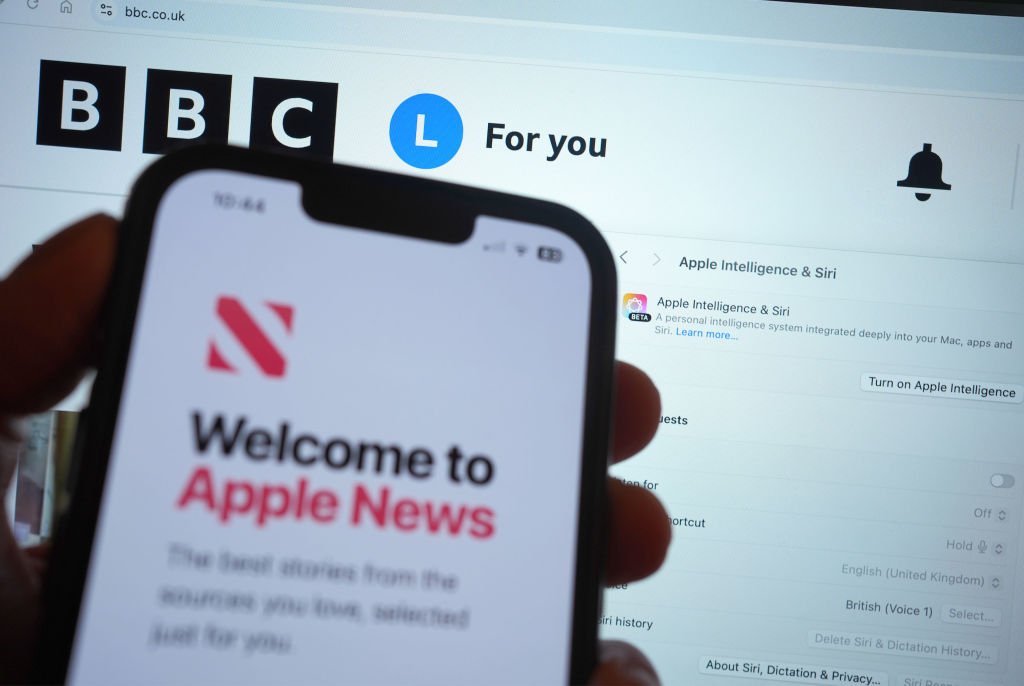
The British Broadcasting Corporation (BBC) has officially lodged a formal complaint with the U.K.’s Competition and Markets Authority (CMA), alleging that major news aggregators—specifically Apple News and Google News—are systematically obscuring the source of journalistic content. The broadcaster contends that these platforms minimize brand visibility, effectively stripping the BBC of proper attribution for its original reporting.
The Fight for Journalistic Attribution
As reported by Apple Insider, the BBC is urging the U.K. regulator to enforce stricter requirements on how tech giants display news sources. While any mandate issued by the CMA would technically be limited to the British market, industry experts anticipate that such a shift would force a global policy change for both Apple and Google, impacting publishers worldwide.
The core of the dispute lies in the “gatekeeper” effect. The BBC argues that when audiences consume high-value journalism through these aggregators without clear branding, the credit is incorrectly attributed to the platform rather than the creator. According to the broadcaster, this dynamic fundamentally “undermines the perceived value of the BBC.”
Funding and the Visibility Crisis
For the BBC, this is more than a matter of vanity; it is an existential issue tied to its unique business model. The corporation relies heavily on a license fee paid by U.K. households. To maintain public support for this funding mechanism, the broadcaster must ensure its work remains highly visible and distinctly associated with the BBC brand.
Escalating Tensions With Tech Giants
This regulatory challenge marks a significant escalation in the ongoing friction between traditional media and Silicon Valley. The relationship has been further strained by recent controversies surrounding artificial intelligence. Notably, Apple recently suspended its AI-generated news summaries following widespread criticism from the BBC and other major publishers regarding the inaccuracy of these automated reports.