
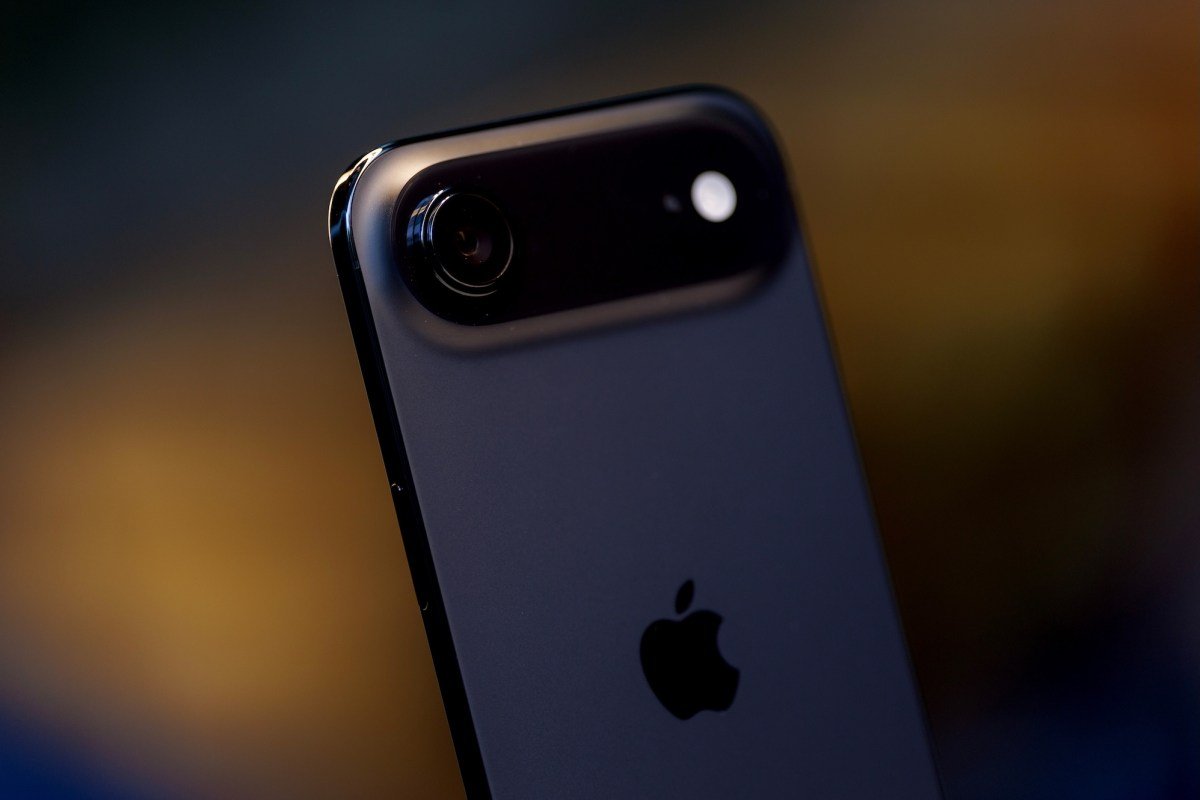
Apple has introduced a critical security feature for select iPhone and iPad models designed to block cellular networks from accessing a user’s precise location. This privacy-focused update, rolled out this week, aims to thwart unauthorized tracking attempts by law enforcement, foreign intelligence agencies, and malicious cyber actors.
How the Privacy Shield Works
When enabled, the new feature limits the precision of location data transmitted from devices to cellular carriers. Instead of broadcasting an exact street address, the device will now share a generalized location, such as a neighborhood. Apple clarifies that this modification does not interfere with location accuracy for individual apps or emergency services during 911 calls.
Device and Carrier Compatibility
The feature is currently available on specific hardware, including the iPhone Air, iPhone 16e, and the M5-powered iPad Pro (Wi-Fi + Cellular), provided they are running iOS 26.3. The rollout is limited to a select group of global carriers, such as:
- Telekom (Germany)
- AIS and True (Thailand)
- EE and BT (United Kingdom)
- Boost Mobile (United States)
The Growing Threat of Network Surveillance
The timing of this security update follows a surge in incidents where carriers have become prime targets for data exploitation. Law enforcement agencies are increasingly utilizing cell provider records for real-time tracking and historical location analysis. Furthermore, telecommunications infrastructure has become a primary target for state-sponsored espionage. Notable examples include the “Salt Typhoon” attacks, where hackers linked to China successfully infiltrated major U.S. carriers like AT&T and Verizon to intercept call logs and messages of high-ranking government officials.
Closing the Network Vulnerability Gap
Gary Miller, a mobile security expert and researcher at Citizen Lab, highlights that users often underestimate how much location data is broadcast beyond app permissions. “While devices can limit GPS disclosure at the app level, they haven’t been able to lock down precise location disclosure to the network,” Miller explained.
Although the feature is currently restricted to a narrow set of operators, security analysts view this as a significant milestone in mobile privacy. By allowing the device to dictate the granularity of data shared with the network, Apple is mitigating long-standing vulnerabilities that have historically allowed surveillance vendors to monitor individuals globally.